25 Coolest Gifts for Grandchildren in 2026
Benefits of Imaginative Play Imaginative play is a fundamental component of ...

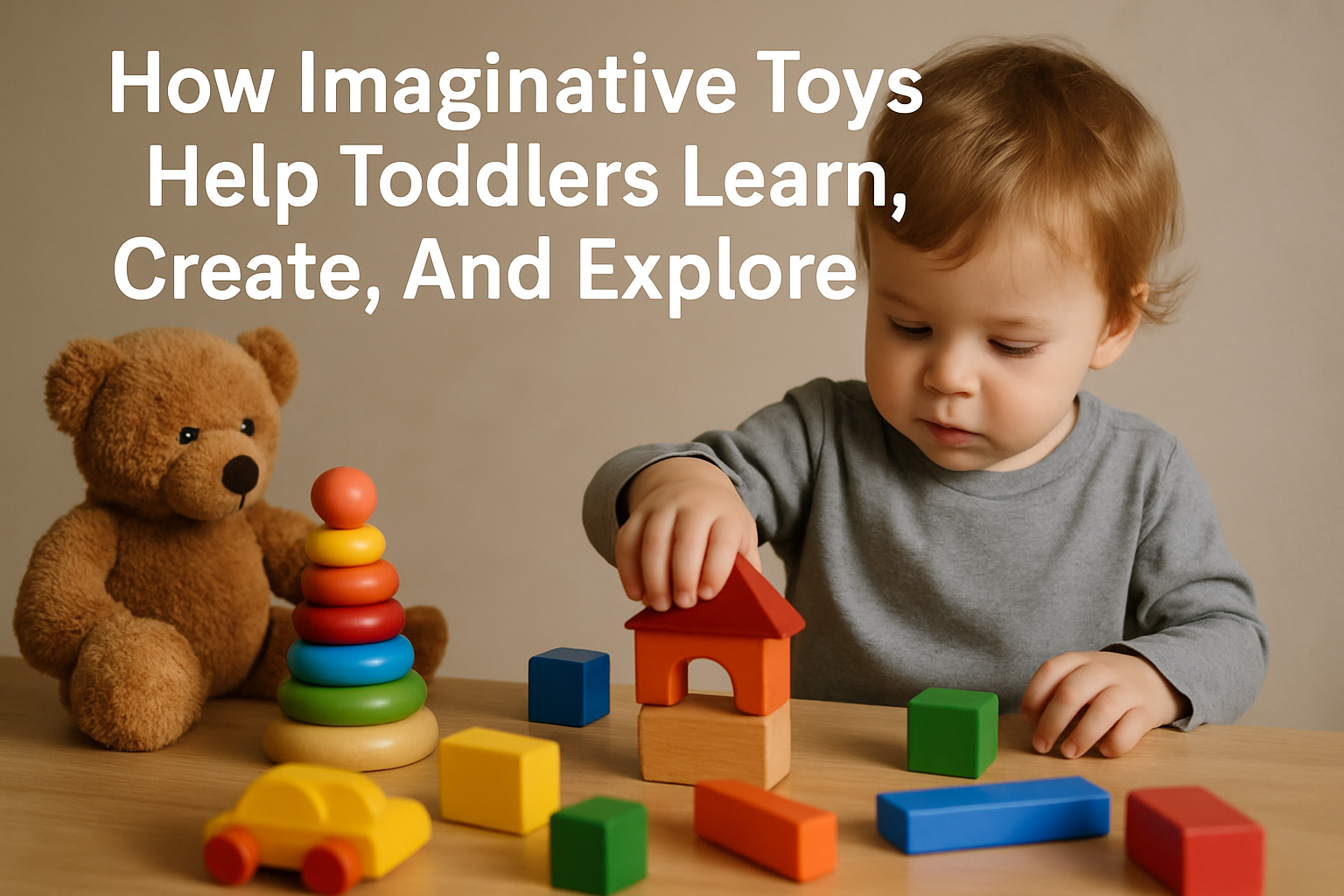

Imaginative play is a fundamental component of childhood development, as it nurtures various essential skills. Through creative scenarios, toddlers explore their environments and mentally rehearse real-life situations. This type of play stimulates children's creativity and expands their problem-solving abilities. For instance, when children invent unique stories or use common objects in unconventional ways, they develop critical thinking skills that aid in their learning processes. The ability to create and navigate different worlds within their minds not only enhances their imagination but also encourages them to tackle challenges in innovative ways.
As children engage in imaginative play, they also experience significant emotional growth. Role-playing enables toddlers to explore and express a wide range of feelings, from joy to frustration. In doing so, they practice emotional regulation, learning to manage their feelings in a safe and supportive environment. Engaging in role-play allows children to empathize with characters in their stories, fostering a deeper understanding of emotions and social interactions. For example, when a child comforts a doll or pretends to experience fear during a scary story, they rehearse emotional responses that help them navigate their real-life feelings more effectively.
Moreover, imaginative play has a profound impact on social skill development. Through pretend play, children learn the nuances of sharing, negotiating roles, and resolving conflicts. This collaborative aspect of play is essential for developing empathy and understanding different perspectives. For instance, as toddlers take turns being a parent or a shopkeeper in their play scenarios, they practice cooperation and learn the importance of working together. Ultimately, these experiences contribute to building strong social foundations that serve children well as they enter school and engage with their peers.
Overall, through imaginative play, children gain a wealth of skills, including creativity, emotional regulation, and social competency. Each aspect of play serves to inform and enhance their understanding of the world, preparing them for future challenges and interactions. These skills not only benefit their early learning experiences but also lay the groundwork for lifelong learning and success.
Creativity is at the core of imaginative play. When children create unique stories and scenarios using everyday objects, they engage in a process that fosters creative thinking and problem-solving abilities. Every time a toddler uses a box as a car or a chair as a spaceship, they think outside traditional norms and explore new pathways for expression. This freedom encourages them to experiment with various ideas, enhancing their innovative capabilities, which will be invaluable as they develop.
Furthermore, imaginative play presents endless possibilities for exploration. As children navigate diverse narratives, they develop cognitive flexibility, one of the critical elements of creativity. This cognitive skill enables them to switch between different ideas and perspectives effortlessly. Constructing and deconstructing various scenarios allows children to refine their creative approaches and discover new solutions to emerging challenges. Developing these abilities early in life provides a solid foundation for future academic pursuits and fosters a lifelong love of learning.
In addition to benefiting individual creativity, this kind of play nurtures collaboration during group activities. When children engage in imaginative scenarios with others, they share ideas and contribute to a collective story. This collaboration not only enhances their creativity but also reinforces their social skills, ensuring they understand how to operate within a team. Ultimately, the creativity fostered through imaginative play becomes a driving force in children's overall development, enabling both personal expression and social interaction essential for healthy growth.
Imaginative play serves as a powerful tool for emotional skill development in toddlers. Role-playing allows children to explore and express emotions in a safe and supportive environment. When they act out various scenarios, they learn to regulate their feelings and practice appropriate emotional responses. For example, by pretending to be scared during a play scenario and later finding comfort, a child learns the value of processing and expressing their emotions. This practice equips them with the ability to navigate real-life situations with greater emotional awareness and resilience.
This form of play also reinforces empathy, as children take on different roles and consider the perspectives and emotions of others. For instance, when a child plays house and assumes the role of a caregiver, they practice nurturing behaviors and develop an understanding of what it means to provide comfort and support to others. This exploration helps children build connection and compassion, which are crucial skills as they interact with peers and adults in their lives.
In a broader context, imaginative play provides an avenue for toddlers to manage stress and anxiety. Engaging in role-play enables children to address their fears and uncertainties through imaginative storytelling. The act of creating a narrative around a daunting experience allows them to process their emotions effectively. Consequently, imaginative play serves as an essential outlet for emotional expression, fostering healthy coping mechanisms that will aid them throughout their lives.
The benefits of imaginative play extend into the realm of social skills building, as it provides numerous opportunities for toddlers to develop interpersonal relationships. When children engage in pretend scenarios with their peers, they are encouraged to share, negotiate roles, and practice conflict resolution. These collaborative experiences lay the groundwork for strong social competencies, which are vital to navigating their social world effectively.
Pretend play serves as a training ground for children to explore different social roles and dynamics. By taking on various roles, such as being a teacher, a doctor, or a parent, children gain a better understanding of the social structures and norms that exist around them. For example, when toddlers engage in role-play as caretakers, they learn important lessons about respect, cooperation, and empathy. As they communicate their ideas and engage with others' perspectives, they develop essential verbal and non-verbal communication skills.
Furthermore, through imaginative play, children learn to navigate conflicts that may arise during their interactions. Whether it’s negotiating who gets to play a certain character or resolving disagreements about the rules of their games, toddlers practice problem-solving and assertiveness. This dynamic helps them build confidence in expressing their needs and resolving issues constructively. Overall, the social skills acquired through imaginative play are instrumental in fostering healthy relationships and ensuring emotional intelligence as children grow and develop.
Imaginative play serves as a vital catalyst for language development in toddlers. When children immerse themselves in pretend scenarios, they engage in rich language interactions, expanding their vocabulary and enhancing their communication skills. Whether they are narrating a story, debating the plot, or describing their actions, this type of play creates an environment where language can flourish.
As children engage in imaginative play, they practice using language in context, which aids their understanding of grammar and sentence structure. For instance, when a child plays shopkeeper and interacts with friends as customers, they naturally adopt specific vocabulary related to commerce and transactions. This kind of contextual learning reinforces language acquisition by making it relevant and meaningful.
Moreover, imaginative play encourages narrative development as children construct stories and articulate them verbally. Through creating dialogues between characters or recounting their adventures, children learn to structure their thoughts and convey them coherently. This practice not only enhances their storytelling abilities but also fosters an early appreciation for literacy, as they begin to understand the power of narrative and expression.
The cognitive advantages of imaginative play are numerous and significant. Engaging in pretend scenarios supports essential executive functioning skills, such as memory, attention, and cognitive flexibility. When children immerse themselves in imaginary worlds, they practice planning their actions, keeping track of storylines, and distinguishing between reality and their imaginative explorations.
As toddlers navigate various roles and scenarios, they enhance their problem-solving skills. For example, when they face obstacles or dilemmas within their play, they learn to analyze situations and think critically about potential solutions. This adaptation cultivates cognitive resilience, as children learn to modify their strategies in response to new challenges. By encouraging exploration and experimentation, imaginative play empowers children to develop a growth mindset that prepares them for future learning experiences.
Additionally, imaginative play promotes creativity and divergent thinking. When children engage in open-ended play with no specific outcomes, they are free to explore multiple possibilities and perspectives. This flexibility fosters innovation by encouraging them to come up with creative ideas and solutions without fear of making mistakes. In this sense, imaginative play serves as a foundation for cognitive growth, laying the groundwork for independent thinking and successful problem-solving.
Imaginative play also plays a critical role in fostering physical development among toddlers. Activities like dressing up, running around, and acting out roles encourage both fine and gross motor skills. For instance, when children dress up in costumes, they practice coordination and dexterity as they navigate various outfits. Such movements enhance their body control and awareness.
Additionally, many imaginative play scenarios involve active participation, promoting physical fitness and movement. Whether they're pretending to cook in a play kitchen or play-fighting as superheroes, children engage in physical activity that strengthens muscles and enhances overall health. As they practice jumping, running, and climbing, toddlers develop essential skills like balance and coordination, which are vital for their growth and wellbeing.
Through imaginative play, children also experience the joy of movement and physical expression. This engagement fosters a positive attitude toward physical activity, helping to establish a lifelong appreciation for movement. By encouraging imaginative play that integrates physical movement, caregivers can support not just the physical development of their children but also help them cultivate healthy habits that will benefit them throughout their lives.
Creating a foundation for imaginative play is essential for nurturing a child's creativity and emotional development. One effective way to do this is by providing a variety of appropriate toys that stimulate the imagination. For instance, dolls, action figures, and costumes can serve as the cornerstone of imaginative scenarios. These items allow children to explore different roles and situations, helping them to express their thoughts and feelings creatively. When children engage with toys that spark their imagination, they often mimic experiences from their everyday lives, which in turn reinforces their understanding of the world around them.
In addition to providing stimulating toys, it is vital to create spaces that facilitate free role-playing and artistic expression. A designated play area can be transformed into various settings, such as a pirate ship, a bakery, or a jungle, by incorporating simple props and decorations. This flexibility encourages children to think outside the box and engage in creative play without constraints. Furthermore, ensuring that the environment is safe and inviting will encourage more adventurous playtime and allow children to fully immerse themselves in their imaginative scenarios. This space should accommodate not only physical activities but also collaborative play where multiple children can interact, build friendships, and share experiences.
Parental involvement can significantly enhance the imaginative play experience. When parents actively participate, they not only bond with their children but also model imaginative thinking and problem-solving skills. Engaging in play together can involve role-playing, storytelling, or even simple puppet shows that unleash creativity. This open participation helps children feel valued and understood, promoting their confidence in expressing themselves. Additionally, as parents observe their child's preferences in play, they can better tailor experiences to nurture those interests, ensuring that the child remains engaged and motivated. Ultimately, by fostering a supportive environment filled with engaging toys, open spaces for creativity, and active parental participation, children can thrive in their imaginative play, leading to well-rounded development and enhanced social skills.
Toys play a pivotal role in fostering cognitive development, especially through activities that stimulate problem-solving abilities. Puzzles and building blocks are quintessential examples that engage children in ways that boost their critical thinking. When children manipulate these toys, they encounter challenges that require them to devise solutions, enhancing their cognitive growth. Puzzles not only develop spatial reasoning but also encourage perseverance when children attempt to fit pieces together. The tactile nature of blocks allows for hands-on experimentation while promoting the understanding of balance, symmetry, and cause-and-effect relationships.
Exploratory toys further amplify a child’s natural curiosity and enhance problem-solving capabilities. Toys that encourage open-ended exploration—for instance, those that allow for creative assembly or imaginative play—provide children with opportunities to test hypotheses and draw conclusions. This exploratory play captures children's attention and urges them to question the world around them. Such inquisitive behavior is foundational to cognitive development; as children navigate challenges posed by these toys, they learn to think critically and approach problems systematically, laying the groundwork for lifelong learning and adaptability.
Moreover, these cognitive skills gained through play extend beyond the immediate interactions with toys. The mental processes developed during playtime are applicable in various real-life situations, equipping children to face academic challenges and social interactions with confidence. Engaging with problem-solving toys cultivates an essential set of skills, preparing children to better navigate complex environments as they grow.
The concept of fewer toys leading to richer play experiences is gaining traction among educators and child development experts. When children have access to a limited number of toys, they tend to engage with each one more deeply, fostering longer interactions that are essential for cognitive development. This prolonged engagement allows for the exploration of toys in varied ways, fostering creativity and imaginative play. As children revisit the same toys over time, they may develop more sophisticated play narratives and problem-solving techniques, enhancing their cognitive skills.
Limiting the number of toys available encourages children to think critically about how they can utilize what they have. Instead of quickly losing interest and moving on to a new toy, they experiment with different combinations and uses for each item. This depth of interaction promotes a thorough understanding of the toys themselves and how they relate to one another. The simplicity of fewer toys creates a conducive environment for more nuanced and complex play scenarios, where collaboration and negotiation skills often come into play among peers.
Furthermore, deeper engagement with toys can stimulate cognitive skills like focus and self-regulation. As children navigate their play environment, they learn to concentrate on the task at hand while engaging in strategic thinking to solve problems. The ability to spend ample time in play fosters a greater sense of accomplishment and mastery. Overall, fewer but well-chosen toys can significantly enhance cognitive development by promoting prolonged and meaningful interactions that challenge children to expand their thinking and exploration skills.
Play is a fundamental part of childhood, serving as a natural medium for children to learn crucial social skills. One significant aspect of play that contributes to social development is the interaction between children. Engaging in activities that require cooperation and social play provides toddlers with opportunities to navigate social situations, learn negotiation skills, and develop friendships. Toys designed to facilitate interactive play are essential in this process, as they not only capture children's interest but also foster an environment where sharing and turn-taking become integral components of their gameplay.
Toys that encourage cooperation often embody features that require children to work together towards a common goal. For instance, toys that involve building, sorting, or problem-solving can serve as catalysts for communication and collaboration among peers. When children engage with these types of toys, they naturally begin to practice skills such as sharing resources and taking turns. This not only helps them understand the importance of teamwork but also teaches them essential social norms and behaviors, laying a groundwork that will benefit them throughout their lives.
Various examples can be used to illustrate how interactive toys can engage toddlers in turn-taking and sharing. Simple games that involve waiting for one's turn, whether it's a board game or a toy that operates on a timer, can be particularly effective. These games often come with rules that necessitate communication between players, prompting toddlers to express their thoughts and negotiate their moves. Other toys that promote role-playing scenarios encourage children to adopt different characters or roles, increasing their empathy and understanding of varying perspectives. Such experiences expand their social vocabulary and enhance their ability to engage with others meaningfully.
The role of cooperative play extends beyond simply learning to take turns; it plays a vital part in the overall development of communication skills among children. Through themed play scenarios, children are provided with a context that encourages interaction and discussion. For example, when children engage in imaginative play that simulates a restaurant or a store, they learn to communicate their needs, make requests, and respond to their peers. This kind of play not only strengthens verbal communication skills but also helps children understand the non-verbal cues important in social interactions, such as body language and facial expressions.
Additionally, engaging in collective play offers numerous benefits for early social development. When children participate in group activities, they often experience a mix of emotions, including joy, frustration, and excitement. Learning to navigate these emotions in a social context teaches children resilience and adaptability. Moreover, sharing in the successes and failures of group projects fosters a sense of belonging and community. As toddlers learn to work collaboratively, they also cultivate friendships and learn to value the input of others, making cooperative play a vital cornerstone in the development of social skills.
Through both interactive toys and cooperative activities, children establish a foundation for building lifelong social skills. The experiences gained from such play not only enhance their developmental trajectory but also prepare them for future interactions within increasingly complex social settings. The significance of these early interactions cannot be understated, as they ultimately contribute to shaping well-rounded individuals capable of thriving in collaborative environments.
In today's diverse world, it’s essential to recognize the significance of inclusive and varied toys in breaking longstanding stereotypes. Traditional toy categories often pigeonhole children based on their gender or cultural background, which can restrict their development and interests. By providing a broader range of options, parents and caregivers can create an environment that encourages exploration and learning beyond societal norms. Toys that reflect cultural diversity not only promote inclusivity but also foster a sense of belonging among children from various backgrounds. When kids see themselves represented in the toys they play with, it can significantly impact their self-esteem and identity formation.
Encouraging equal participation through varied toy selections involves more than simply offering gender-neutral toys. It means deliberately selecting items that challenge stereotypes and promote skills beneficial to all children. For instance, toys that include elements of STEM (Science, Technology, Engineering, and Mathematics) are increasingly seen as essential, as they encourage problem-solving and critical thinking. By diversifying the types of toys available, children can engage in cooperative play, enhancing social skills and teamwork regardless of their gender. The choice of toys thus becomes not just a matter of fun but an important aspect of personal and social development.
Moreover, toys that embrace a variety of cultures and backgrounds expose children to different perspectives. This fosters empathy and a deeper understanding of the world around them. When children engage with toys that introduce them to global narratives and customs, they not only learn about differences but also discover similarities. This cultural exchange through play is fundamental in cultivating open-minded individuals who appreciate diversity in their lives. Thus, the influence of toy variety extends far beyond play—it's about shaping a more considerate and interconnected generation.
Research highlights that simple and classic toys often yield the best outcomes for quality play experiences. These types of toys encourage imagination and creativity without overwhelming children with complex features that can sometimes detract from active play. For example, building blocks, art supplies, and traditional dolls or action figures provide endless opportunities for children to create narratives and engage in artistic expression. Such toys often require minimal guidance, allowing children the freedom to explore their ideas and develop their problem-solving skills independently.
Furthermore, recommendations for effective toys point to those that stimulate both problem-solving and creative expression. Toys that challenge children to think critically—such as puzzles, shape sorters, or even open-ended crafting materials—can be particularly beneficial. These toys not only engage children’s intellect but also enhance their fine motor skills and hand-eye coordination. Play is a crucial avenue through which children learn the fundamentals of cause and effect, and selecting toys that encourage these concepts can lead to deeper cognitive development.
In contrast, overly complicated toys may lead to frustration rather than discovery. When toys boast excessive technology or intricate designs, children can become passive consumers rather than active creators. Quality toys are those that promote interaction, imagination, and, most importantly, enjoyment. They are versatile and can be played with in numerous ways, allowing for sustained engagement. In essence, the goal should be to provide children with tools that stimulate their natural curiosity and foster a lifelong love of learning through play.
Imaginative play is vital for toddlers, allowing them to explore roles, express creativity, and develop social skills. Several types of toys can stimulate this kind of play. Each offers unique benefits that encourage toddlers to engage, interact, and innovate through their play experiences.
A play kitchen is an excellent tool for encouraging role-playing. Through this imaginative setup, toddlers mimic adult cooking behaviors, inviting them to step into the shoes of family members or chefs. This role-playing not only engages children but also enhances their social skills, as they often invite peers or caregivers to join in on the fun. Such activities facilitate communication and teamwork, allowing toddlers to navigate simple social interactions in a safe environment.
Furthermore, a play kitchen fuels creativity and exploration, as children experiment with various food items and cooking methods. They may concoct imaginary meals, inventing recipes or hosting a pretend dinner party. This open-ended type of play is crucial for cognitive development, allowing children to make decisions, solve problems, and think critically. With endless possibilities, a play kitchen remains a cherished component of many toddler playrooms.
Magnetic tiles are among the most popular imaginative toys that inspire toddlers to build their own creations. As children engage in constructing structures, they boost their spatial awareness and hand-eye coordination. The tactile nature of magnetic tiles promotes fine motor development, enabling toddlers to manipulate and arrange pieces effectively.
These tiles also foster creativity and problem-solving skills as toddlers explore how different shapes connect and balance. The vibrant colors and geometric forms stimulate visual senses, encouraging children to experiment with their ideas and construct various projects. With magnetic tiles, the play continues to evolve, leading to different architectural wonders and unique designs that reflect each child's imagination.
Play food and accessories engage toddlers in rich pretend play scenarios. These toys allow children to imitate the actions they see during mealtime, promoting imaginative exploration through meal preparation and serving. As toddlers role-play dining experiences, they practice vital social skills including sharing, negotiating, and expressing preferences.
Moreover, play food provides an excellent platform for engaging in conversations about healthy eating, nutrition, and even cultural diversity. When children simulate cooking and sharing meals, they immerse themselves in a world filled with narrative possibilities. Imaginative play with food scenarios can lead to enhanced creativity, allowing toddlers to create their own unique stories and interactions, sparking joy and laughter during their explorations.
Dolls and action figures serve as powerful tools for storytelling and imaginative play. These toys encourage toddlers to create narratives around characters, making sense of their own experiences and surroundings. As they play, children often adopt different perspectives, expressing emotions and exploring various scenarios through their dolls.
Imaginative play with dolls facilitates the introduction of diverse themes, from family dynamics to adventures in fantasy realms. By engaging in these character-driven stories, toddlers can construct narratives that resonate with their real-life situations, all while developing empathy and understanding towards others. Such creative expressions are essential for emotional growth, helping children navigate their feelings and interactions in the world around them.
Blocks are fundamental components of open-ended play that contribute significantly to a toddler's developmental growth. As children engage in constructing and deconstructing with blocks, they enhance their fine motor skills while fine-tuning their hand-eye coordination. The tactile interactions with different shapes and sizes foster a deep understanding of balance, stability, and structural integrity.
Additionally, blocks promote imaginative exploration, allowing toddlers to construct their own worlds. Whether building a tower, a castle, or even vehicles, the possibilities are boundless. This type of play encourages creativity and critical thinking as toddlers make decisions on how to build and organize their structures. Through these experiences, children learn to express their ideas visually and verbally, contributing to language development as they describe their creations.
Art supplies are essential for nurturing self-expression and exploration through creative outlets. Providing children with various tools like crayons, paints, and brushes allows them to create freely, encouraging imaginative thinking. As toddlers experiment with colors, shapes, and textures, they visualize their ideas and express their feelings in unique ways.
This artistic exploration enhances fine motor skills, as toddlers learn to control their movements while creating. Additionally, engaging with art supports emotional and cognitive development, as children use their creativity to tell stories and convey messages. Through art, toddlers build confidence in their abilities, and the process of creating becomes a joyful journey of self-discovery.
Animal figurines play a significant role in fostering imaginative storytelling. These small figures allow toddlers to create diverse animal-related scenarios, encouraging them to explore ecosystems, habitats, or even fantastical worlds where animals engage in adventurous tales. Such play promotes cognitive development as children learn to categorize animals and understand their characteristics, contributing to their knowledge of the natural world.
Imaginative play with animal figurines can also enhance relational skills, as children often develop narratives that involve cooperation, conflict resolution, and friendship among the characters. This kind of storytelling enriches their vocabulary and promotes communication skills, helping toddlers articulate their thoughts and express their creativity in engaging ways.
Train sets and toy vehicles elevate imaginative play by incorporating movement and transport into children's narratives. Engaging with these toys stimulates exploration, as toddlers create tracks, routes, and scenarios where their vehicles operate. This type of play enhances their understanding of how different modes of transportation work, fueling curiosity and providing a platform for problem-solving.
Additionally, the dynamics of moving vehicles encourage toddlers to experiment with their ideas, developing storylines centered around travel, adventure, and exploration. This exploration of various narratives allows for creativity to flourish as children imagine far-off destinations or thrilling journeys. Therefore, train sets and vehicles not only entertain but also play a crucial role in fostering cognitive and social development.
Play is a vital avenue through which young children can express and explore their emotions. During play, children encounter diverse scenarios that evoke a range of feelings, such as joy, frustration, excitement, or sadness. This dynamic environment fosters emotional awareness, allowing children to identify and articulate their feelings more effectively. As children engage in imaginative play, they embody different characters and narratives, which helps them to understand their emotions and empathize with others. This kind of engagement provides them profound insights into their emotional world, cultivating a deeper recognition of their feelings.
Moreover, as children play and verbalize their experiences, they naturally develop their verbal skills related to emotional expression. The use of language during play contexts enhances their ability to articulate what they feel. For instance, when children enact a scenario where a character is sad, they may use phrases to express that sadness, thus enriching their vocabulary. This verbal development is critical for emotional intelligence, as it enables children to communicate their emotions more effectively to caregivers and peers.
Ultimately, this process of understanding through play sets the foundation for emotional literacy, which is essential as children navigate social interactions and relationships. By learning to express and label their emotions, children not only become more aware of their feelings but also acquire the tools to communicate effectively with others, laying the groundwork for strong interpersonal relationships in the future.
Play also serves as a crucial support system for children as they learn to process challenging feelings. Engaging in imaginative play allows children to confront their fears, anxieties, and frustrations in a safe and controlled environment. For example, a child who has experienced a frightening event may reenact the scenario through play, allowing them to explore their feelings and gain a sense of agency over their fears. This form of experiential coping can provide significant relief and comfort, helping children to work through their emotions constructively rather than feeling overwhelmed.
Creating a safe environment during play is essential for children to navigate distress. When children participate in games and activities with their peers or caregivers, they often feel secure enough to express their feelings and concerns. This support structure enables them to face emotional challenges head-on and develop effective coping strategies. Furthermore, children learn that it is natural to encounter difficult emotions, and through play, they can practice expressing those feelings without judgment.
In addition, these coping mechanisms cultivated during play can translate into real-world applications. By learning to manage their emotions in play scenarios, children are likelier to carry those lessons into their everyday lives. This empowerment can lead to improved resilience, allowing children to face stressors with a more adaptive mindset, thus fostering their overall emotional development.
Play is a powerful vehicle for fostering children's identity and self-esteem. As they engage in play, children explore different roles and scenarios, giving them the opportunity to experiment with their identities. For example, by pretending to be a doctor, teacher, or superhero, children can explore various facets of themselves and gain a better understanding of their preferences and strengths. This exploration contributes significantly to building their self-concept, as they begin to understand who they are in relation to the world around them.
Additionally, play facilitates emotional growth by providing a platform for self-expression. When children play, they often showcase their thoughts, feelings, and aspirations, offering them a chance to reflect on what makes them feel confident or uncertain. This self-discovery process is vital for enhancing their self-esteem, as it allows them to recognize their unique qualities and contributions. Consequently, positive experiences in play can reinforce their sense of self-worth and promote a healthy self-image.
As children continue to engage in diverse play experiences, they cultivate emotional resilience, learning to embrace their individuality while also exploring their relationships with others. This balance between self-discovery and social engagement fosters a positive emotional landscape where children can thrive, supporting their growth as empathetic and self-aware individuals.
The significance of peer interaction during play cannot be overstated, as it plays a crucial role in emotional development. Engaging with peers allows children to practice social skills essential for emotional intelligence, such as sharing, negotiation, and conflict resolution. During group play, children often encounter situations that require them to articulate their feelings and consider the emotions of others, which enhances their social awareness and empathy. These interactions help children learn to navigate the complexities of emotions in social contexts, building their capacity to connect with friends and form healthy relationships.
Sharing within play situations also nurtures emotional bonding. When children take turns, collaborate on tasks, or share resources, they experience the joy of connection and the pain of loss or disappointment. Learning to manage these emotions while playing fosters resilience and patience, essential traits for emotional growth. Negotiation during play scenarios, whether it's deciding on game rules or distributing toys, teaches children to express their needs and understand others, sharpening their emotional regulation skills.
Play serves as a microcosm for real-world interactions, where children can experiment and refine their emotional responses without significant consequences. This safe practice space enables them to build confidence in their social skills. As children develop their ability to interact with peers, they gain a stronger foundation for emotional intelligence that will benefit them in their future relationships.
Play acts as a natural stress reliever for children, crucial for emotional well-being. When children engage in playful activities, they can escape the pressures of everyday life and immerse themselves in a world of creativity and imagination. This shift allows them to relieve tension and anxiety, recharging their emotional batteries. Laughter and playfulness create a light-hearted atmosphere where children can forget their worries and reconnect with a sense of joy and freedom.
Furthermore, the act of playing—whether it's running around outside or engaging in creative arts—stimulates the release of endorphins, which are often referred to as 'feel-good' hormones. These physiological changes not only help to reduce stress but also create a sense of overall happiness and contentment. Play provides an emotional outlet, allowing children to express themselves in ways that are both therapeutic and enjoyable.
Additionally, the fun and laughter associated with play builds resilience against stress. As children experience and enjoy the lighter aspects of life, they develop coping strategies that help them manage difficult emotions. This ability to find joy and humor, even in trying situations, equips children with the tools they need for emotional well-being throughout their lives. Ultimately, the importance of play in relieving stress and contributing to emotional health cannot be understated, as it lays the groundwork for happier, more balanced lives.
Imaginative play serves as a vital avenue for enhancing emotional expression and conflict resolution in educational settings. When children engage in role-playing games, they step into different personas and scenarios, which allows them to explore a plethora of feelings and situations. This kind of play provides a safe environment where children can express their emotions freely, whether they are happy, sad, or angry. In this exploration, they not only learn to articulate their feelings but also gain insight into the emotions of others. As they navigate through their imaginary worlds, children develop empathy and understanding, which are essential skills not just for their academic journey but also for their personal lives.
Furthermore, imaginative play plays an integral role in highlighting the importance of communication skills during early interactions. When children play together, they must negotiate roles, discuss scenarios, and share ideas, which fosters collaborative skills. This dynamic environment encourages them to listen, articulate their thoughts clearly, and respond appropriately to their peers. The back-and-forth dialogue in play scenarios reinforces vocabulary development and language skills in a manner that feels natural and enjoyable. Through role-playing and storytelling, children enhance their linguistic capabilities while also learning how to communicate effectively in a variety of contexts.
Additionally, this type of play can intersect with educational objectives, as educators can implement imaginative play into their curriculum. By incorporating elements of play into lessons, teachers can create an engaging classroom atmosphere where students feel motivated to participate. For instance, lessons that involve dramatic reenactments of historical events or scientific concepts not only make learning enjoyable but also deepen comprehension. In doing so, imaginative play becomes a bridge that connects academic content with real-life experiences, enhancing both retention and understanding.
Selecting the right toys is crucial in fostering a conducive environment for imaginative play. First and foremost, age-appropriate toys ensure that children can interact with their play materials safely and effectively. Toys that cater to a child's developmental stage support their creativity and problem-solving skills in meaningful ways. For instance, younger children may benefit from building blocks or simple costumes that spark imaginative role-play, while older children might engage with more complex sets that challenge them to think critically and creatively. Ensuring safety in toy selection is equally important, as it allows children to explore their environment without unnecessary risks, promoting a lasting curiosity about the world around them.
Furthermore, the emphasis on imagination over passive entertainment is key in the choice of toys. Toys that encourage creativity, such as art supplies or building kits, stimulate children's imaginations and allow them to create their narratives. These types of toys promote active engagement rather than passive consumption, where children are merely entertained without imaginative input. By choosing toys that inspire creative thinking and role-playing, caregivers can facilitate opportunities for collaborative play and problem-solving, allowing children to develop essential life skills through enjoyable interactions.
In summary, fostering an environment rich in imaginative play requires intentional toy selection. By prioritizing safety and imagination, caregivers create a foundation where children can explore their creativity and enhance their social skills through play. Over time, this focused approach to play not only supports educational development but also nurtures resilient and resourceful individuals ready to navigate life's challenges. This emphasis on selection invites a mindful consideration of how and what children engage with, creating a more enriching play experience.
Choosing the right educational toys for toddlers is a significant task that can shape their learning experiences and development. One of the key aspects to consider is the versatility in play. Open-ended toys are particularly beneficial as they stimulate imagination and creativity in various ways. These types of toys allow children to play, explore, and create in their unique styles. For example, building blocks are a fantastic option as they can be used to construct diverse structures, encouraging cognitive development. Stacking cups can be used in countless ways – from learning about sizes and colors to developing motor skills. Engaging with sand and water play can enhance sensory experiences, providing toddlers with the freedom to experiment and engage their natural curiosity.
As children grow, their interests and abilities evolve, making developmental growth another vital consideration when selecting toys. It is essential to choose toys that will remain appealing as children advance through different stages of development. Items such as plastic animals, dollhouses, and action figures cater to various age groups, allowing for imaginative play that aligns with their growing capabilities. For instance, dollhouses not only nurture creative storytelling but also help with social interaction as children play together. Similarly, plastic animals can introduce basic concepts about biology and the environment, serving as both playful companions and educational tools. Encouraging continued engagement with toys that evolve alongside a child fosters deeper learning and retention.
Encouraging exploration and problem-solving is another critical factor in the selection process. Toys that promote experimentation and skill discovery help develop critical thinking and reasoning abilities. Puzzles and shape-sorters are great examples, as they challenge toddlers to think about spatial relationships and problem-solving strategies. Art materials unlock creative expression and further cognitive development, allowing children to explore colors, shapes, and forms. These experiences can help develop fine motor skills and foster a sense of achievement, which is vital for a toddler’s confidence and willingness to tackle new challenges.
Moreover, it is essential to spark imagination. Toys that inspire creativity and role-play can significantly influence a child's development. Dress-up clothes allow toddlers to step into different roles, exploring social situations and boosting their communication skills. Action figures and dolls, too, serve an important function by providing characters for storytelling, which can improve language skills and empathy as children learn to view the world through multiple perspectives.
Additionally, it’s important to consider realistic play items that mimic real-life objects. Young children often find joy in toys that resemble the things they see in their daily lives. Toy phones, plastic dishes, and musical instruments not only engage toddlers but also allow them to engage in imaginative scenarios that reflect everyday activities. This familiarization can help develop social skills and prepares them for future interactions in an ever-changing world.
Physical activity also plays a crucial role in the healthy development of toddlers. Toys that promote movement are essential for fostering gross motor skills and overall physical health. Balls can be used in various games that encourage running, kicking, and coordination. Walking toys and tricycles or similar ride-on items are excellent for encouraging mobility and balance, offering a blend of fun and fitness. Through active play, toddlers can develop essential skills needed for later sports and physical activities.
To enhance shared experiences, consider toys that facilitate cross-generational play. Engaging in simple board games can be a wonderful way to bond through play, allowing parents and children to interact and learn together. Such activities foster a sense of community and understanding, enriching the child’s social and emotional landscape. It is important that the toys encourage collaboration, turning playtime into a nurturing experience that supports family connection.
While toy selection is exciting, caution should also be taken with electronics. While electronic toys can offer engagement, they might restrict creativity and diminish imaginative play. Prioritize toys that encourage active engagement, such as those that require physical interaction rather than passive observation. By doing so, you ensure that the play experience remains enriching and intellectually stimulating.
Finally, safety considerations are paramount when choosing toys. Ensuring that toys are age-appropriate and crafted from safe materials is essential. Parents should actively avoid items made from toxic substances or those with small detachable parts that present choking hazards. Regularly checking toys for wear and tear is fundamental to maintaining a safe play environment. Prioritizing safety ensures that the learning and fun remain uninterrupted, allowing toddlers to explore freely and confidently.
When it comes to fostering creativity in toddlers, the right toys can make all the difference. Play dough stands out as a safe medium for exploration. This malleable substance allows children to mold and shape their ideas into tangible forms, enhancing their imaginative skills. As they squish, roll, and shape, toddlers develop fine motor skills and hand-eye coordination. Furthermore, this sensory experience engages their imagination, enabling them to express themselves in unique ways.
Wooden blocks are another excellent choice for promoting imaginative play. These versatile toys encourage toddlers to construct and deconstruct various structures, stimulating spatial reasoning and problem-solving skills. As children experiment with balance and gravity, they not only unleash their creativity but also gain a deeper understanding of basic physics concepts. Whether they are building tall towers or sprawling castles, the open-ended nature of wooden blocks invites exploration and innovation.
Additionally, blocks designed for younger builders, such as larger construction sets, introduce toddlers to the basics of architecture and design. These sets not only develop spatial awareness but also enhance cognitive skills through guided play. Musical instruments serve another vital role in encouraging creativity. By exploring different sounds and rhythms, toddlers engage instinctively with music, laying the groundwork for an appreciation of the arts. Furthermore, puppets can be an invaluable tool for nurturing storytelling abilities and language development. Children can create characters and narratives, empowering them to share their thoughts and feelings in a playful setting.
The characteristics of ideal creative toys significantly impact how they encourage imaginative play. One of the most important features is open-ended play, which allows children to engage creatively without structured directions. Toys that support this kind of play provide limitless opportunities for creativity, letting toddlers use their imagination to generate new ideas and scenarios. This kind of exploration is essential for cognitive development because it fosters independent thinking.
Another key characteristic of creative toys is that they should not require batteries. Toys that foster independent play encourage toddlers to use their imagination and make decisions on their own. Toys without batteries thrive on interaction and exploration, driving children to invent their games and narratives, which further enhances their problem-solving skills. This independence is crucial for building confidence and self-efficacy as they navigate new concepts and experiences.
Moreover, toys made from environmentally friendly materials not only support creative expression but also teach important values about sustainability. Natural materials tend to stimulate imaginative thinking, providing a sensory-rich experience while teaching toddlers about their environment. Finally, toys that encourage questions help inspire curiosity and inquiry. This inquisitive nature is vital for cognitive development, as asking questions leads to exploration and reflection. By integrating these characteristics into play, parents and caregivers can create a rich environment that nurtures creativity in toddlers, enriching their early developmental experiences.



Benefits of Imaginative Play Imaginative play is a fundamental component of ...

Benefits of Imaginative Play Imaginative play is a fundamental component of ...