

What Are the Top Toys 4-Year-Olds Love Most?
IntroductionEvery parent knows how essential it is to keep toddlers engaged d...

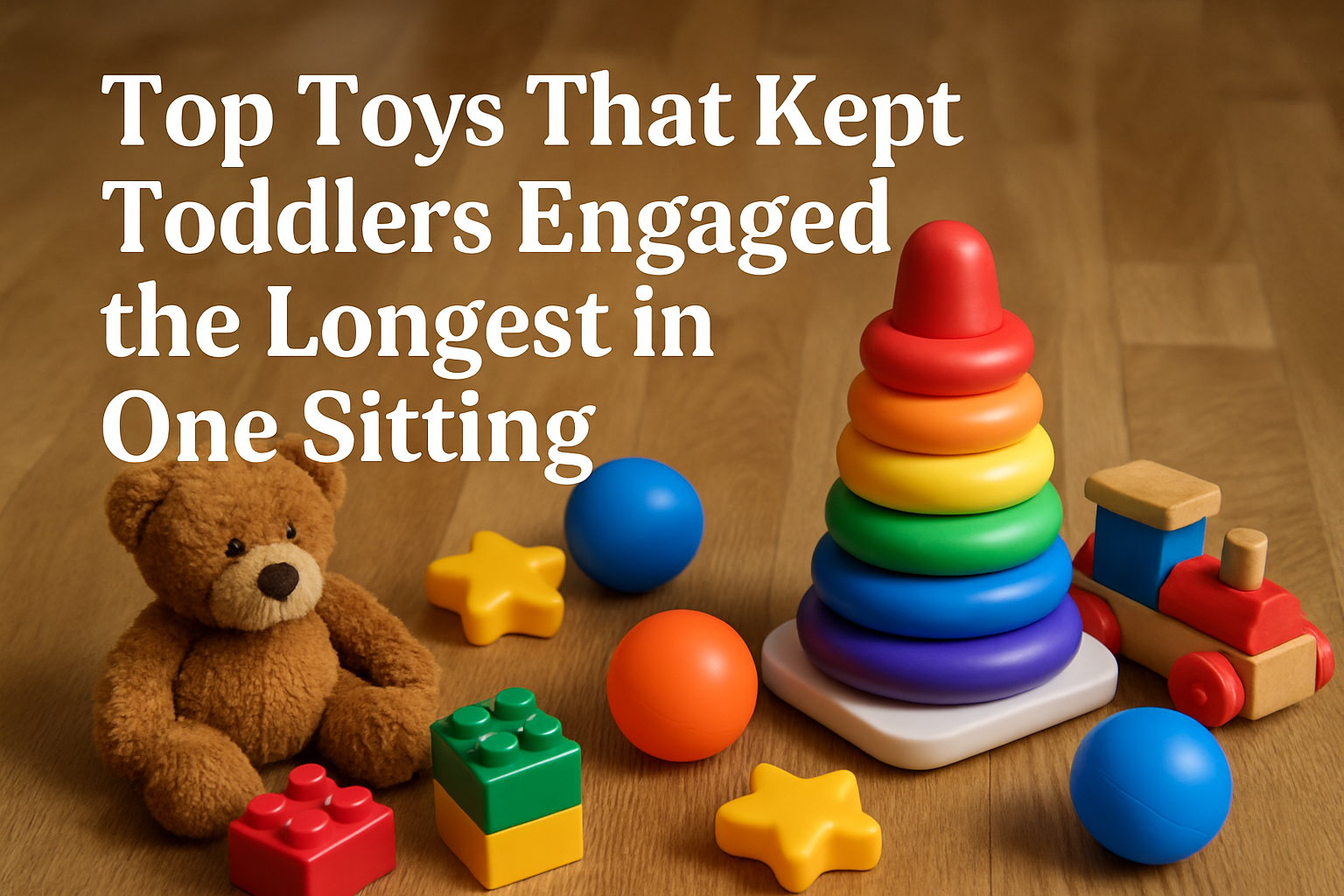

Every parent knows how essential it is to keep toddlers engaged during playtime. Engaging toys are not merely time fillers; they play a pivotal role in fostering a child's development and creativity. The right toys can capture their attention for longer durations while stimulating various skills, including problem-solving, fine motor skills, and imaginative play. This engagement is particularly important during these formative years when toddlers are constantly exploring and learning about the world around them.
When toddlers are actively engaged with their toys, they embark on adventures that nurture their curiosity and creativity. For instance, open-ended toys that allow for multiple ways of play can spark imagination and promote cognitive development. Children learn to experiment, build narratives, and explore different scenarios, contributing significantly to their social and emotional growth. The more time they spend interacting with their toys, the more opportunities they have to enhance their imaginative capacities, ultimately laying a foundation for lifelong learning.
It's fascinating to discover that certain types of toys are particularly effective in maintaining toddlers' attention for extended periods. Classic options like wooden blocks, puzzles, and role-playing sets have proven to be favorites among children. These toys not only provide hours of entertainment but also encourage growth in various developmental areas, from fine motor control to language skills. In this exploration of the top toys that keep toddlers engaged, we'll delve into how these engaging options can effectively support children's development and creativity while keeping them captivated for hours on end.
Classic wooden blocks are a timeless favorite among children and caregivers alike. These simple yet versatile toys encourage creativity and problem-solving skills as toddlers stack and balance the blocks in various configurations. The act of building engages young minds, allowing them to explore spatial awareness and develop their fine motor skills. As children manipulate different shapes and sizes, they begin to understand concepts such as gravity and balance in a playful context.
Moreover, wooden blocks promote collaborative building activities. Whether played alone or with siblings and friends, toddlers can work together to create more complex structures, enhancing their communication and social skills. The tactile experience of handling the smooth, natural materials adds an extra layer of sensory engagement, making each play session not only entertaining but educational as well. Wooden blocks foster imaginative play, encouraging children to envision cities, towers, and fantastical creations.
The enduring appeal of classic wooden blocks lies in their ability to grow with children. As toddlers develop, these blocks can be incorporated into more sophisticated games, such as counting or pattern recognition activities. In this way, wooden blocks are more than just toys; they are tools for developmental growth, allowing children to continue expanding their skills over time.
Interactive puzzles serve as an essential tool for cognitive development in toddlers. By fitting pieces together, children strengthen their hand-eye coordination and fine motor skills. Puzzles also promote critical thinking and problem-solving abilities, as toddlers learn to identify shapes, colors, and patterns. The satisfaction of completing a puzzle provides a sense of accomplishment, motivating children to engage further in these stimulating activities.
The varied themes of interactive puzzles capture the attention of toddlers, offering diverse learning opportunities. Some puzzles feature numbers, letters, or animal shapes that introduce foundational concepts in a fun and engaging manner. This blend of education and play keeps toddlers engrossed, extending their playtime and enhancing learning retention. As they solve these puzzles, children also practice patience and perseverance, essential skills for lifelong learning.
Moreover, interactive puzzles can also be enjoyed in group settings, fostering social interaction among peers. When children work together to solve a puzzle, they develop teamwork and communication skills. Whether it’s collaborating on a large floor puzzle or competing to finish smaller ones, these interactions are instrumental in nurturing healthy social development during early childhood.
Educational games have become a staple in engaging toddlers while simultaneously introducing fundamental concepts. These games are designed to teach shapes, numbers, and colors in enjoyable ways, capturing children’s attention and making learning seamless. By blending fun with education, these games keep toddlers interested and excited about learning, encouraging extended playtime and deeper engagement.
The interactive nature of many educational games encourages exploration and inquiry. As toddlers play, they can discover cause-and-effect relationships, critical thinking, and logical reasoning skills. Engaging with colorful visuals and lively mechanics, children are drawn into the game, making the learning experience feel less like a chore and more of an adventure. This inherent motivation is vital for cognitive growth during formative years.
Additionally, educational games often encourage family participation, enabling parents to join in and support their child’s learning. This collaborative experience not only makes learning more effective but also strengthens bonds between children and caregivers. When parents engage in educational games with their children, it creates a supportive environment that fosters confidence and curiosity, essential qualities for a lifelong love of learning.
Play food sets open up a world of imaginative possibilities for toddlers. These toys encourage role-playing scenarios that stimulate creativity and social interaction. As children engage in pretend cooking or serving meals, they explore different social roles and practice essential life skills. This type of play is vital for developing communication skills and understanding the concepts of sharing and cooperation.
Imaginative play with food sets also provides a safe space for toddlers to experience real-world situations. As they mimic adult behaviors associated with meal preparation and dining, children learn about nutrition and food diversity in a fun and engaging way. This not only keeps them entertained but also instills valuable lessons about healthy eating habits from an early age.
Further, play food sets are perfect for collaborative play. Whether cooking alongside friends or pretending to serve family members, toddlers can learn the importance of teamwork and social interaction. This genre of play enriches their vocabulary and verbal skills as they narrate their imaginative scenarios, laying the groundwork for effective communication in later life.
Puppets reignite the joy of storytelling in toddlers, prompting imaginative narratives and social interactions. Through puppetry, children can express their thoughts and emotions creatively and engage in role-play. Manipulating puppets encourages fine motor skills while also inspiring creativity. The spontaneous nature of puppet shows enables children to explore various perspectives and themes.
Additionally, incorporating puppets into playtime introduces an element of educational fun. Caregivers can use puppets to teach valuable lessons, such as sharing, empathy, and friendship. By watching the interactions between puppets, toddlers gain insights into social dynamics, learning important life lessons through entertaining scenarios. This type of storytelling can also help reduce social anxiety, teaching children to navigate tricky social interactions more comfortably.
Puppetry can foster communication skills significantly. As toddlers create dialogues and act out scenes, they practice verbal expression and develop language skills. Whether performed in solo play or as part of a group, puppet shows serve as a delightful medium for practicing interaction and storytelling, making them a favorite among young children.
Sensory exploration toys, such as kinetic sand and water play activities, captivate toddlers by engaging their tactile senses. These toys promote cognitive development by encouraging experimental play where children can explore textures, shapes, and reactions. Being able to touch, mold, and manipulate these materials invites curiosity, leading to a deeper understanding of the world around them.
These sensory activities help develop fine motor skills and perceptual abilities. As toddlers pour, squish, and sculpt, they enhance their dexterity and hand strength—crucial components of early childhood development. Furthermore, sensory exploration fosters focus and concentration as children immerse themselves in the experience, increasing their ability to engage deeply with tasks.
The value of sensory play extends beyond mere entertainment; it supports emotional regulation and expression. By providing a soothing outlet through tactile experiences, sensory toys can help toddlers manage overwhelming feelings. The creative freedom that comes with sensory play allows children to navigate their emotions while engaging in calming activities that promote cognitive growth.
Arts and crafts supplies are essential for fostering creative expression among toddlers. Drawing, painting, and crafting encourage self-discovery and imagination. These activities not only develop artistic skills but also enhance fine motor coordination. As children experiment with different materials and techniques, they learn to focus and apply themselves to tasks, providing a foundation for concentration.
Moreover, arts and crafts facilitate shared activities between parents and children. Collaborative projects, such as making greeting cards or building models, strengthen bonds as families work towards a common goal. Through these shared experiences, children learn to communicate their ideas and collaborate effectively, which is important for social development.
Arts and crafts also serve an educational purpose by promoting cognitive skills. As toddlers learn about colors, shapes, and textures, they expand their vocabulary and understanding of the world around them. The open-ended nature of art encourages exploration and risk-taking, essential components of fostering innovation and critical thinking from a young age.
Imaginative play toys, such as play kitchens and dolls, enable toddlers to explore their creativity and develop essential life skills through pretend play. These toys encourage children to take on different roles, which enhances their understanding of social dynamics and builds empathy. As they reenact everyday scenarios, toddlers can express their ideas and practice their social interactions in a safe environment.
The impact of imaginative play on language development is significant. Through role-playing, children engage in dialogues that expand their vocabulary and enhance their communication abilities. This type of play fosters linguistic skills as toddlers mimic conversations they've observed in real life, building confidence in their language use.
Furthermore, imaginative play promotes problem-solving skills. When faced with challenges during their creative situations, toddlers must think critically to navigate their narratives. This process not only enhances cognitive abilities but also encourages emotional intelligence as they learn to express feelings and resolve conflicts through their play scenarios. These experiences lay the groundwork for strong interpersonal skills that will benefit them throughout life.
Durability is a key attribute when considering toys for toddlers. Wooden train sets, for instance, are designed not only to withstand the rough play of young children but also to inspire hours of engagement. These toys offer a tactile experience, allowing toddlers to grasp, maneuver, and interact in various ways. By introducing elements like tracks, tunnels, and bridges, they encourage imaginative play, where children can build different scenarios and stories. The solid construction ensures that these toys can endure the test of time, becoming cherished items that can be passed down or enjoyed across different play stages.
Another category of long-lasting toys includes construction sets, such as large blocks and magnetic tiles. These types of toys promote independent construction, enabling toddlers to explore their creativity without the constraints of pre-defined play. As children stack, connect, and create structures, they develop fine motor skills and spatial awareness. The openness of these toys allows for endless possibilities; a single set can be transformed into a castle, a spaceship, or even a farm. This versatility not only helps in sustaining engagement but also fosters problem-solving skills as toddlers figure out how to balance and connect their creations effectively.
It is essential to consider how these durable toys encourage social interaction as well. Group play with train sets or block building can enhance communication, negotiation, and teamwork among toddlers. By sharing ideas and collaborating on constructing larger projects, children learn valuable social skills that will aid their development. Durable toys thus serve a broader purpose; they are tools for both individual exploration and cooperative play, making them invaluable investments for enriching a toddler's playtime experience.
Interactive toys have gained immense popularity for their ability to captivate toddlers' attention through engagement and interactivity. A prime example includes audio storytelling devices that delight young listeners. These toys promote a love for storytelling and language development by allowing children to listen actively, choose stories, and even control playback. The interactive nature keeps toddlers involved, as they can also mimic actions or express ideas based on the narratives, fostering both imagination and comprehension skills.
Moreover, integrating educational aspects into toys enhances the overall play experience. Learning toys can teach numbers, letters, shapes, and other fundamental concepts through play. When toddlers interact with toys that challenge them to match letters or solve simple puzzles, they not only have fun but also build cognitive skills. The combination of play with educational content makes these toys effective tools for early childhood development, enriching children’s knowledge while keeping them entertained.
It's also worth mentioning the role of interactive toys in promoting independent learning. As toddlers engage with toys that encourage exploration and discovery, they cultivate a sense of curiosity. Whether it's figuring out how to operate a feature or discovering a new sound or pattern, these interactive experiences pave the way for lifelong learning. By choosing toys that balance fun with education, parents can ensure that their children are not only entertained but are also gaining valuable skills in the process.
Selecting the right toys is fundamental to supporting a child's development. Toys are not merely objects for entertainment; they are essential tools that stimulate learning and creativity. Engaging with appropriate toys can enhance various developmental milestones and provide children with the opportunity to explore their world. From fostering cognitive abilities to enhancing social skills, the nuances of child development hinge significantly on the toys children interact with during their formative years.
Moreover, developmental toys play a pivotal role in nurturing curiosity. When children are provided with toys that are tailored to their developmental stages, they are more likely to engage in play that promotes exploration and learning. These toys encourage children to ask questions, experiment, and immerse themselves in imaginative scenarios. Through the selection of thoughtfully designed toys, caregivers can create an environment where children feel secure enough to explore their interests and develop new skills.
In summary, the significance of toy selection cannot be overstated. It shapes the way children interact with their environment and influences their ability to learn and grow. The right toys not only promote creativity but also enhance critical thinking and problem-solving skills, making it imperative for parents and educators to choose wisely.
For infants and toddlers, developmentally appropriate toys are a key element of sensory stimulation and motor skill development. At this stage, toys that encourage touch, sight, and sound are particularly valuable. For instance, soft blocks, rattles, or colorful balls stimulate sensory perception, inviting infants to grasp, shake, and explore. These types of toys are designed to engage young children in their natural quest for understanding their surroundings.
As children progress into toddlerhood, their need for exploration intensifies. Toys such as stacking rings or shape sorters not only provide fun but also enhance fine motor skills and hand-eye coordination. The act of fitting shapes into corresponding holes or stacking items helps toddlers learn about spatial relationships and develop problem-solving strategies. By engaging with these toys, toddlers learn to manipulate objects and understand cause and effect, which are foundational cognitive skills.
Furthermore, developmentally appropriate toys serve as a bridge to independent exploration and social play. When children interact with toys that challenge their capabilities, they are encouraged to explore different ways of using the toy. This exploration fosters creativity and allows children to express themselves. As they play alongside peers or caregivers, these toys also encourage shared experiences, aiding in the development of communication and cooperative skills, thus laying a foundation for healthy social interactions.
Engagement times with toys can vary significantly from child to child, reflecting a diverse range of interests and developmental stages. Many parents report their children interacting with particular toys for varying lengths of time, demonstrating that engagement can depend on numerous factors, including the toy's design and the child's mood or interest level at any given moment. Additionally, some toys may captivate a child's attention for longer periods during certain play sessions while being overlooked on other occasions. This variability illustrates the importance of observing how children interact with different types of toys and adjusting selections accordingly.
Community discussions among parents highlight a robust dialogue surrounding recommendations for toddler toys. Many parents suggest that toys featuring bright colors and diverse textures are more likely to capture a child's attention for extended periods. Additionally, toys that encourage imaginative play or allow for problem-solving tend to be favored. Parents frequently exchange anecdotes about their children's favorite items and how those toys contribute to learning and development. These shared insights can offer valuable guidance for others navigating the plethora of options available in the market.
Furthermore, engaging toys are often those that promote interactive play, whether through social engagement or stimulating individual creativity. Many parents suggest opting for toys that follow developmental guidelines or tools that facilitate both solo and group play experiences. Recommendations also often include toys that grow with the child, providing multiple ways to engage and learn over time. Involving children in play with toys that encourage exploration can lead to lasting interest, ensuring that parents can invest in toys that support sustained engagement and development. This community-generated wisdom provides a powerful resource for parents seeking to make informed decisions about toys that will truly resonate with their children.
When selecting toys for toddlers, it's essential to understand the different features that foster engagement and play. Choosing toys that offer versatility and growth is one of the most important factors to consider. Versatile toys can adapt to a child’s developmental stages, providing several uses that stimulate imagination and creativity. For instance, a single toy may allow for various types of play—like building, sorting, or role-playing—depending on the child's age and interests. Such adaptability can keep a toy relevant as the child grows, reducing the need for constant new purchases and enhancing the sustainability of toy selection.
Moreover, toys that encourage imaginative play help cultivate a child's cognitive skills. Imagination fuels creativity, which is vital for problem-solving and critical thinking later in life. For example, when toddlers use blocks to construct towers or create scenarios with figures, they engage in a form of storytelling. This kind of unstructured play is instrumental as it allows children to explore different roles and narratives. In addition, it promotes social skills when they play together, sharing ideas and negotiating roles within their imaginative games. Therefore, selecting toys that spark this type of creative engagement is crucial for long-term development.
Another significant characteristic to look for in toddler toys is their ability to foster exploration and learning. Toys designed for exploration can be particularly captivating, as they often present various avenues for discovery. These toys should provide chances for hands-on interaction, which is vital for sensory development. For example, toys with varying textures, colors, and sounds can engage a child’s senses, enhancing their understanding of the world around them. Furthermore, educational toys that incorporate basic concepts like shapes, numbers, or letters can seamlessly blend learning with play, making education enjoyable and effective. When selecting engaging toys, prioritize those that not only entertain but also offer opportunities for exploration, creativity, and skill advancement.
Selecting the right toys for children is an intricate process that requires careful consideration. Parents should prioritize engaging toys that foster creativity and stimulate learning while also being enjoyable. When making toy selections, it is crucial to understand the child’s interests and developmental stage. Toys that align with their natural instincts to explore and discover can lead to more profound engagement and a richer play experience. For instance, open-ended toys often allow children to use their imagination, leading to creative scenarios and stories that enhance cognitive skills.
It is equally important to find a balance between fun and developmental value. While toys should certainly provide entertainment, they should also contribute meaningfully to a child's growth. For example, toys that promote problem-solving skills, hand-eye coordination, or social interactions can greatly enhance a child's development. When evaluating toys, parents should consider the educational benefits alongside the entertainment factor. This two-pronged approach ensures that playtime is not only enjoyable but also constructive, providing foundational skills that children will use throughout their lives.
Moreover, engaging in play should be a shared experience. Parents can enhance their children's development by participating in play, which encourages bonding and reinforces learning. Understanding how a child interacts with various toys can inform better choices about future purchases. By observing play patterns, parents can select toys that not only captivate their child's interest but also serve educational purposes. Ultimately, the goal is to equip children with toys that inspire them, support their growth, and make learning an enjoyable journey.



IntroductionEvery parent knows how essential it is to keep toddlers engaged d...

IntroductionEvery parent knows how essential it is to keep toddlers engaged d...