Black Friday 2026: The 10 Toy Deals Grandparents Are Ordering Early
Engaging Introduction Play is the language of childhood, woven into the fabr...

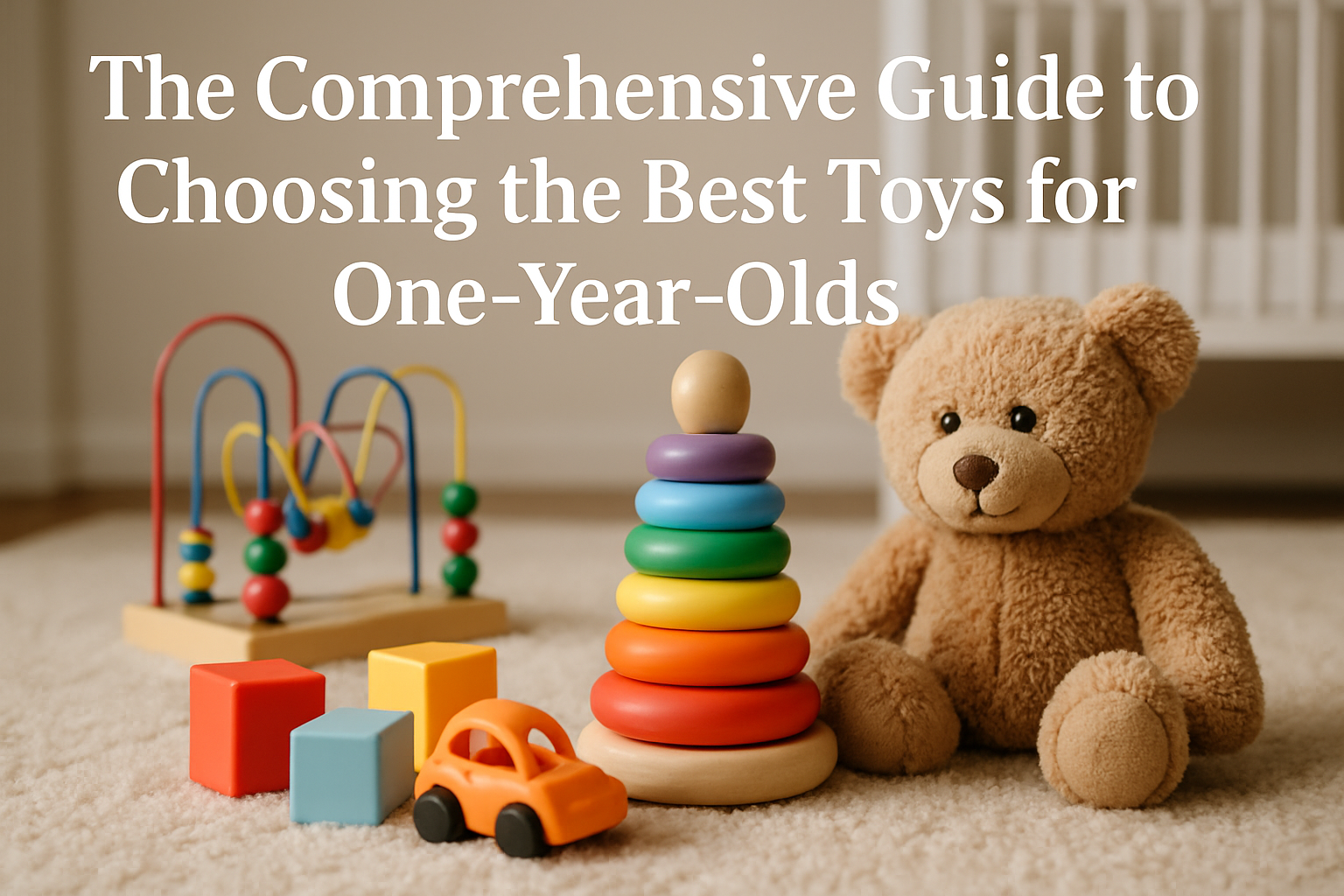

Play is the language of childhood, woven into the fabric of every child’s early experiences. It serves as a portal not only to enjoyment but also to essential growth and learning. For one-year-olds, play is more than just entertainment; it’s a critical phase for developing vital skills. Engaging with toys allows children to explore their environment, fostering their cognitive, social, and motor development. This playful exploration is transformative. For instance, as children manipulate toys, they enhance their fine motor skills, laying the groundwork for future tasks like writing and dressing themselves.
Understanding the significance of play necessitates a closer look at how toys facilitate various learning milestones during this formative year. The right toys can support numerous developmental areas such as sensory perception, problem-solving capabilities, and social interactions. From colorful blocks that encourage stacking to interactive toys that respond to a child’s actions, every item in a child’s playroom has the potential to nurture different aspects of their growth. When children engage with age-appropriate toys, they are not merely having fun; they are developing critical thinking skills and learning to navigate their world.
Choosing toys that align with these developmental benchmarks is an essential responsibility for parents and caregivers. It's about more than just selecting something colorful; it's about fostering an environment that cultivates curiosity, creativity, and learning. By understanding what makes a good toy for one-year-olds, caregivers can help ensure that every play session contributes to their child's evolving abilities. Therefore, as you explore options in the toy aisle, remember the power these seemingly simple objects hold in shaping your child's development and enriching their play experiences.
Interactive and sensory toys are designed to engage young children through touch, sight, sound, and movement. These toys can include items like textured blocks, soft fabric books with vivid images, and musical toys that light up. Such toys are essential for stimulating a child's senses, allowing them to explore different textures, colors, and sounds. As one-year-olds begin to learn about their environment, interactive toys provide valuable experiences that support their overall cognitive and sensory development.
The impact of sensory play on cognitive growth cannot be overstated. Engaging with various sensory toys helps children develop fine motor skills and hand-eye coordination while encouraging problem-solving abilities. As they manipulate objects, shake them, or press buttons, toddlers learn cause and effect, discovering how their actions lead to different outcomes. This early exploration lays the foundation for more complex cognitive skills that will be vital throughout their lives.
When selecting sensory toys for toddlers, safety should always be a priority. Parents should opt for toys that are made from non-toxic materials and do not have small parts that pose a choking hazard. Soft-edged toys are ideal, as they are less likely to cause harm during active play. Many sensory toys are also designed to be washable, ensuring they remain clean and safe for repeated use. Prioritizing safety while choosing engaging sensory toys ensures tots can play freely and confidently.
Building and stacking toys play a critical role in developing fine motor skills and spatial awareness in one-year-olds. These toys, which often come in the form of colorful blocks and stacking rings, encourage little hands to grasp, lift, and balance objects. Engaging with these toys hones dexterity and strength while fostering cognitive skills as children learn to fit shapes and balance structures.
As toddlers grow, they naturally gravitate toward problem-solving. Building toys provide an excellent platform for encouraging creativity and experimentation. When a child attempts to build a tall tower only to watch it topple over, they learn about balance, gravity, and persistence. Furthermore, this process allows them to express their imagination, as there are no limitations to how they can decide to stack or build with the pieces provided.
It’s essential for parents to choose age-appropriate building toys. Items that are too complex can lead to frustration, while simple building blocks can offer a rewarding experience. Moreover, brightly colored and differently shaped blocks can enhance visual learning and pattern recognition. By providing versatile building toys, parents can foster an engaging play environment that promotes growth through creativity and hands-on exploration.
Soft toys and stuffed animals offer more than just cuddly companions; they serve as sources of emotional comfort and security for one-year-olds. At this tender age, children often form attachments to these plush toys, which can help them navigate feelings of fear or anxiety during challenging situations, such as bedtime or new experiences. This emotional bond is invaluable, providing a sense of stability and support as they explore their growing world.
Nurturing social and emotional development is crucial for a child’s overall well-being. Soft toys act as a medium through which children can practice social interaction. As they engage in imaginative play with their stuffed animals, toddlers learn to express themselves, understand social dynamics, and develop empathy. Such role-playing activities contribute significantly to their emotional development and communication skills.
While soft toys can offer immense comfort, safety considerations remain paramount. It is vital to ensure that these plush companions do not contain any harmful substances. Choosing soft toys that are hypoallergenic and do not have small parts can significantly reduce risks. Regularly washing and inspecting these toys for wear and tear can also maintain their safety, allowing toddlers to enjoy their beloved companions without concern.
Introducing one-year-olds to musical instruments can have lasting benefits for brain development. Exposure to music not only stimulates cognitive functioning but also enhances language skills and social interactions. Simple instruments, such as maracas, tambourines, or small xylophones, encourage toddlers to explore different sounds and rhythms, fostering auditory development.
Playing musical instruments nurtures both rhythm and coordination in toddlers. As children learn to shake, hit, or strike an instrument, they develop gross motor skills and hand coordination. Music invites movement, encouraging children to dance and move their bodies rhythmically, which is important for their physical development. Furthermore, engaging with music allows them to express creativity and enjoyment, reinforcing a positive association with learning.
Parents can cultivate an early love for music by providing simple instruments that are easy for small hands to handle. Encouraging little ones to explore sounds and create their own music helps in their overall cognitive and emotional development. Music is a powerful tool to facilitate engagement and connection, making it a fantastic category of toys for fostering growth and joy at this early, formative stage.
Toys play a significant role in enhancing children's cognitive abilities, serving as tools for problem-solving and critical thinking. Engaging with toys designed to challenge young minds can stimulate curiosity, encouraging children to explore various concepts and ideas. For instance, puzzles and building blocks prompt kids to think creatively and logically as they work through challenges and devise solutions. This process of trial and error not only develops their problem-solving skills but also fosters an understanding of basic math and spatial awareness.
Moreover, toys contribute significantly to language acquisition and sensory exploration. When children engage with toys that include letters, numbers, or storytelling elements, they expand their vocabulary and comprehension skills. Sensory toys, which might include different textures or sounds, help children learn how to categorize sensory information. This exploration is central to cognitive development, as it allows children to make connections between their experiences and what they learn through play. As they interact with various sensory materials, children develop critical connections in their brains that support future learning outcomes.
The educational benefits of using toys to facilitate cognitive growth are manifold. Toys intentionally designed with an educational purpose can bridge gaps in learning and provide enriching experiences. For example, toys that require strategic thinking or cause-and-effect reasoning can significantly enhance children’s ability to learn independently. Through play, children not only grasp essential concepts but also develop a thirst for knowledge, setting the stage for lifelong learning.
The benefits of play extend beyond cognitive development; toys also support children's social and emotional growth. During playtime, especially with peers, children learn essential skills like sharing, empathy, and cooperation. These foundational social skills are critical as they navigate relationships both in and out of the classroom. Toys that facilitate group play or collaborative problem-solving tasks encourage kids to work together, fostering a sense of community and teamwork that contributes to their social development.
Role-playing toys, such as dolls and action figures, play a critical role in enhancing emotional understanding. By acting out various scenarios, children can express their feelings and experiment with different emotional responses. This type of play helps them process their own emotions and those of others, an essential aspect of emotional intelligence. Engaging in role-play allows children to step into different personas, offering them a safe space to explore complex emotions, practice empathy, and build compassion for others' experiences.
To effectively foster emotional and social skills, it is vital to choose toys that encourage interactive play. Toys that involve turn-taking, encourage dialogue, or require collaboration can be instrumental in developing a child's ability to navigate social situations. Suggestions for effective educational toys include those that promote team-based activities or imaginative role-playing scenarios. By engaging with these types of toys, children not only enhance their play but also strengthen critical social connections and emotional intelligence, preparing them for varied social landscapes in their future interactions.
Soft plush toys, building blocks, musical items, and interactive electronic toys dominate the toy landscape in 2026. As parents look for toys that combine play and learning, the demand for these categories has surged. Soft plush toys remain popular due to their comforting nature, often serving as a first companion for young children. Building blocks encourage creativity and fine motor skills while providing children with endless possibilities for play. Musical items, whether they produce sounds or allow kids to create their own, foster auditory skills and enhance cognitive development. Meanwhile, interactive electronic toys have taken a front seat in engaging toddlers through educational games, storytelling, and interactive features that adapt to a child's growing abilities.
Sustainability has become a focal point in toy design as parents are increasingly drawn to eco-friendly options. Manufacturers are innovating by using recycled materials, biodegradable packaging, and non-toxic paints, reflecting a commitment to the environment and child safety. This interest in sustainable toys not only caters to eco-conscious families but also aligns with a broader trend toward responsible consumerism. Additionally, the incorporation of technology in toys is paving the way for innovations that prioritize engaging experiences. Emerging design trends also reflect a blend of educational value and entertainment, as parents seek toys that provide a dual function, fostering learning through play in innovative ways.
Consumer preferences are shifting based on insights gathered from parents. Many are looking for toys that not only entertain but also provide developmental benefits. Feedback from parents indicates a strong preference for toys that can grow with their child, adapting to various stages of development. Emerging trends suggest that parents appreciate toys that feature multi-functional aspects, encouraging role play and social interaction. Parents are more inclined toward products that stimulate creativity and provide opportunities for collaborative play, whether with siblings or friends. The focus is on creating rich play experiences that are beneficial for cognitive and social growth, positioning toys as essential tools in early childhood development.
When it comes to selecting toys for one-year-olds, interactive toys stand out as the best option for engaging toddlers effectively. These toys often feature buttons, lights, and sounds that respond to a child's actions, stimulating curiosity and encouraging exploration. Through such interactions, children can develop hand-eye coordination and learn basic cause-and-effect relationships. Moreover, many of these interactive toys promote sensory play, which is crucial for cognitive development in this age group. Providing a range of textures, sounds, and visual stimuli can hold a child's attention and foster a love for learning from an early age.
Soft and cuddly toys are also favored among one-year-olds, serving as sources of comfort and companionship. These plush toys offer not only a soft tactile experience but also provide a sense of security for young children. Many parents find that these toys can help soothe toddlers during transitions, such as nap time or bedtime. Additionally, they can serve as effective tools for helping children learn about emotions, teaching empathy through imaginative play scenarios. The appeal of soft toys lies in their simplicity and the emotional connection children forge with them.
Building toys, particularly those designed for toddlers, are excellent for stimulating creativity. These toys encourage kids to explore their problem-solving skills and express their ideas through construction and assembly. Open-ended building toys allow for free play, meaning children can create various structures, limited only by their imagination. Engaging in such activities enhances spatial awareness, dexterity, and cognitive skills. Parents appreciate these building sets for their ability to promote both individual play and collaborative experiences, helping toddlers build social skills through shared creative endeavors with peers or family members.
When choosing toys for children, it’s important to understand that each child has unique preferences and developmental stages. Toys play a vital role in a child's growth, impacting areas like cognitive development, motor skills, and social interaction. Parents should consider their child's interests, age, and abilities when selecting toys. For example, a toddler fascinated by animals may benefit more from animal figurines or puzzles than from toys focused on construction or technology. By observing how children interact with various toys, parents can better identify what captivates their child's imagination and aligns with their developmental needs.
Moreover, engaging in play with children nurtures a stronger parent-child bond. When parents actively participate in playtime, it not only enhances the child's enjoyment but also contributes significantly to their learning processes. Through play, children explore their environment, express emotions, and practice problem-solving skills. Parents are encouraged to match their child's enthusiasm and creativity during play. This interaction can take various forms, such as building models together or role-playing scenarios, which can provide valuable lessons about teamwork and communication. It also allows parents to reinforce positive behavior and emotional understanding, fostering a deeper connection.
In conclusion, promoting safe and enriching toy experiences requires careful consideration from parents. Start by researching toys that align with children’s developmental stages and personal interests. Create an environment where play is safe and enjoyable, ensuring that toys are not only entertaining but also beneficial. As children grow, their play patterns will change, necessitating ongoing evaluations of their toy collections. Always remember that the ultimate goal is to support exploration and learning through play, offering children the opportunity to discover their capabilities in a safe and nurturing environment. Engaging in meaningful playtime experiences can significantly shape children’s developmental trajectories, making the right choice in toys a critical aspect of parenting.



Engaging Introduction Play is the language of childhood, woven into the fabr...


Engaging Introduction Play is the language of childhood, woven into the fabr...