25 Coolest Gifts for Grandchildren in 2026
Engaging Overview of 2026's Best Toys Introduction to the Toy Trends In tod...

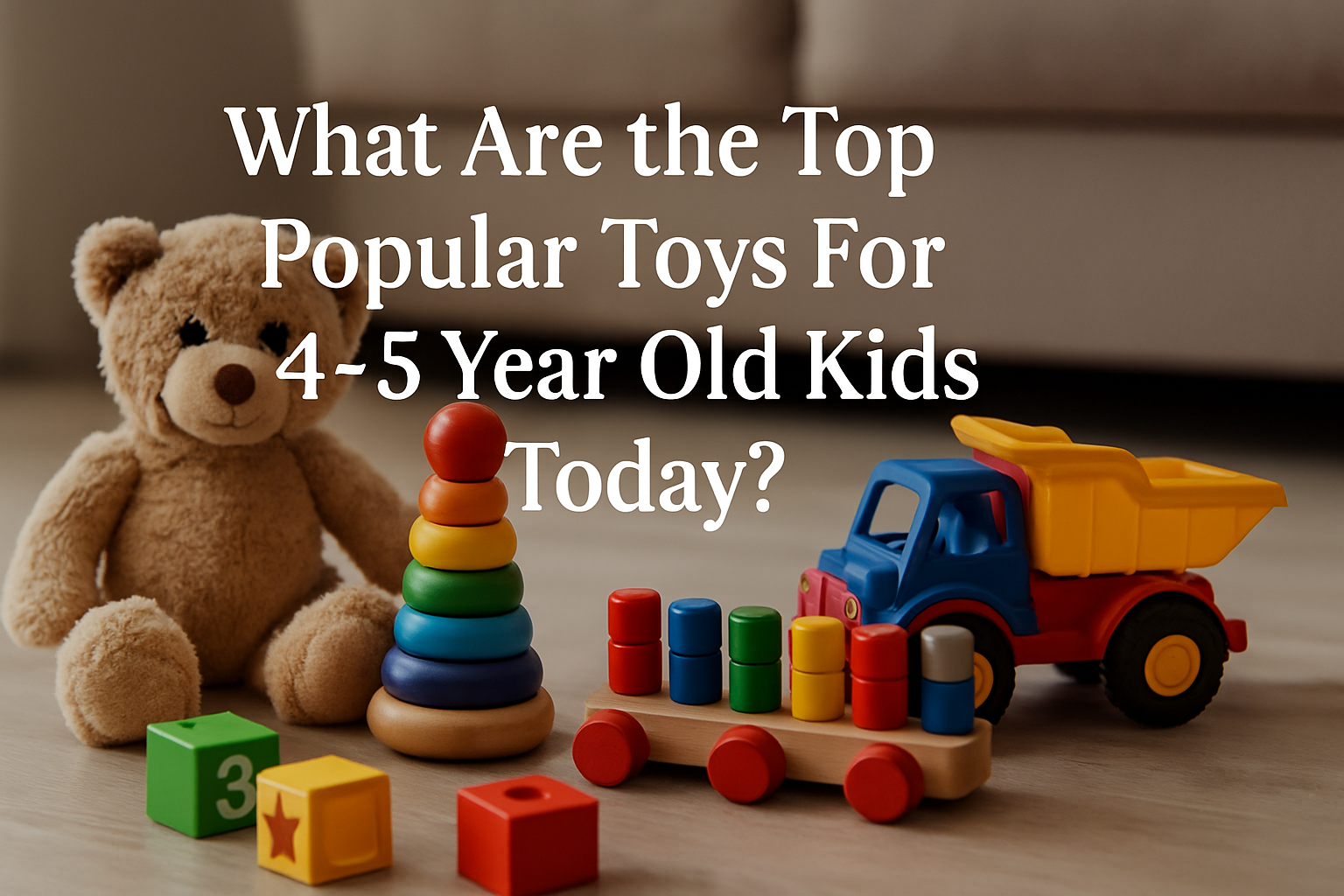

In today's world, selecting age-appropriate toys for children aged 4 to 5 is more important than ever. At this stage, kids are not only energetic and curious but also eager to learn and grow. Toys serve a pivotal role in their development, harnessing their innate desire to explore. Age-appropriate toys encourage cognitive, emotional, and social skills, laying a strong foundation for future learning. They are thoughtfully designed to suit the developmental needs and interests of this age group, helping children engage in imaginative play and fostering a lifelong love of learning.
The toys children interact with during this formative period significantly influence their development. Learning is most effective through play, and well-selected toys can help children develop critical thinking and problem-solving skills. For instance, toys that challenge a child to build, create, or solve puzzles can enhance their logical reasoning abilities. Furthermore, games and activities that involve interaction with peers cultivate social skills, teaching children important values like teamwork and sharing. By understanding and selecting the right toys, parents can facilitate crucial learning experiences that support their child’s development.
Moreover, the trends in toys are continuously evolving as new educational methods and technologies emerge. In 2026, there is a strong emphasis on incorporating STEM (Science, Technology, Engineering, Math) elements in toys, ensuring that play remains not only enjoyable but also enlightening. From building sets that introduce engineering concepts to interactive games that teach basic math skills, today’s toys strive to blend fun with education seamlessly. This shift in focus highlights the rising recognition of play as an essential component of learning in early childhood, further reinforcing the importance of choosing the right toys for our little ones.
In the realm of educational toys, options abound that capture the curiosity of young minds while fostering essential skills. Popular educational toys in 2026 include puzzles, building blocks, and interactive games designed to enhance cognitive abilities. These toys not only entertain but also facilitate learning in a fun and engaging manner. For instance, puzzles encourage problem-solving skills and spatial awareness, while building blocks introduce concepts of balance and structure. Young children thrive on interaction, making toys that prompt participation not just beneficial but also essential for their developmental growth.
Moreover, toys that promote STEM (Science, Technology, Engineering, and Mathematics) learning are gaining traction. These toys often come in the form of experimental kits or logic-based games that challenge children to think critically and creatively. For example, a simple robotics kit can spark interest in technology while also teaching foundational engineering concepts. Such toys often utilize engaging methods to simplify complex ideas, making them accessible and enjoyable for young learners.
By integrating play with education, these toys serve dual purposes. They entertain children while encouraging the love of learning. As kids engage with educational toys, they develop important skills such as critical thinking, collaboration, and communication. The combination of fun and learning is a cornerstone of childhood development, making these toys an important part of any young child’s playtime.
Creative play toys are vital for nurturing imagination and self-expression in young children. This category includes a wide variety of items such as dress-up costumes, play kitchens, and craft supplies. These toys encourage children to invent stories and scenarios, facilitating role-playing that enhances social skills and emotional intelligence. Imaginative play allows kids to experiment with different social roles and perspectives, providing them with valuable insights into the world around them.
Arts and crafts also hold significant benefits for young ones. Engaging in creative activities helps refine motor skills and boosts cognitive development. Art supplies, such as paints and clay, foster creativity while allowing children to express their thoughts and feelings visually. The process of creating something from scratch nurtures a sense of accomplishment and individuality, which is crucial during the formative years. Furthermore, sharing art with family and peers can enhance communication skills and encourage interaction, making creative play toys an essential part of development.
Fostering creative play not only entertains but also supports emotional and cognitive growth. When children engage in unstructured play with creative toys, they learn to think outside the box and approach challenges with a solution-oriented mindset. This imaginative engagement lays a foundation for innovative thinking, which is invaluable throughout life. By prioritizing creative play, caregivers can help cultivate the next generation's problem solvers and innovators.
Outdoor toys are imperative for promoting physical activity and encouraging children to explore their environment. In 2026, the highlights of outdoor toys suitable for 4-5-year-olds include climbing structures, scooters, and sports equipment. These toys are designed not only for entertainment but also for physical development. Engaging with outdoor toys helps children build strength, coordination, and balance as they explore and play in open spaces, which is essential for their overall health and well-being.
The importance of physical activity during childhood cannot be overstated. Regular play outdoors helps combat sedentary habits and related health issues, promotes social interactions, and improves mood. Outdoor play inspires children to connect with nature and can lead to a lifelong appreciation for the environment. Furthermore, when kids engage in group activities with outdoor toys, they learn valuable teamwork and leadership skills.
Encouraging outdoor play with appropriate toys also fosters resilience and confidence. As children navigate challenges, such as climbing or balancing, they develop a sense of achievement that can translate into other areas of their lives. The freedom to roam and explore also fosters independence, allowing kids to interact with their peers in constructive and exploratory ways. In summary, outdoor toys are not just playthings; they are essential tools for developing a healthy, active, and socially competent generation.
Choosing the right toys for children aged 4-5 can be daunting, given the sheer variety available in stores today. One effective approach is to define clear criteria for selecting the best toys. First, toys should foster creativity and encourage imaginative play, allowing children to express themselves fully. Safety is another vital consideration; toys must meet all safety standards to ensure that they are made from non-toxic materials and are age-appropriate. Furthermore, toys that promote learning through play are highly regarded; they should offer educational value while still being enjoyable. Finally, durability and ease of use also play crucial roles; toys should withstand rough handling and be user-friendly for young children.
Based on these criteria, several toys stand out in 2026 for their ability to engage and educate. A variety of building sets, for example, have become immensely popular, allowing children to construct their designs while developing fine motor skills. Additionally, interactive learning toys that combine digital elements with traditional play are on the rise. These toys not only capture a child's interest but also adapt to their learning pace, making them a valuable educational tool. Lastly, traditional art supplies, such as coloring books and washable markers, are beloved for their simplicity and ability to encourage self-expression in young children.
Another notable mention is toys that incorporate physical activity, which are essential in promoting a healthy lifestyle from an early age. Items like balance boards or simple sports equipment encourage outdoor play, vital for building coordination and social skills. Ultimately, the best-selling toys of 2026 cater to a child's developmental needs and interests, ensuring they are not only fun but also beneficial for learning and growth.
Understanding customer feedback is essential to gauge the satisfaction levels of both parents and children. Analysis of recent reviews reveals that parents highly value toys that engage their children for extended periods. Many report that the best-selling toys successfully capture their child’s attention, allowing for long play sessions without the need for constant adult intervention. Additionally, toys that facilitate cooperative play are frequently praised, as they help foster social skills and teamwork among peers, which are key milestones at this age.
Trends in buyer preferences indicate a shift towards toys that balance screen time with hands-on activities. Parents are increasingly looking for options that combine technology with tactile experiences, ensuring that children are not solely reliant on digital devices. This has led to a growing demand for toys that incorporate educational apps or digital elements while still promoting physical interaction and creativity. The emphasis is on finding toys that not only entertain but also enhance learning and development through diverse play techniques.
Ratings further emphasize the importance of quality and durability. Products that withstand rough handling and retain their appeal after extended use tend to receive higher ratings. Many reviews highlight the significance of safety features, reinforcing that parents prioritize toys that are well-made and safe for their children. As feedback continues to shape the toy industry, manufacturers are increasingly attentive to customer needs and preferences, leading to a market that values quality, safety, and educational benefits above all else.
To support the development of 4-5-year-olds, selecting the right toys is essential. In 2026, the most beneficial choices emphasize creativity, education, and social interaction. Regardless of the vast array of toys available, parents should prioritize options that nurture cognitive skills while being fun. From building kits to arts and crafts tools, these toys can foster critical thinking and problem-solving abilities, essential at this developmental stage. Furthermore, engaging children in collaborative play helps them learn valuable social skills, making these interactions just as important as educational outcomes.
When choosing toys, it is crucial for parents to consider age-appropriateness. Toys designed for this age group should not only captivate their interests but also challenge them appropriately. Features that stimulate curiosity and promote exploration will ensure that children remain engaged. Parents are encouraged to involve their children in the selection process to enhance their enthusiasm and sense of ownership. Guidance from educational experts on cognitive development can also aid in making informed decisions that will support long-term benefits as their children grow. Ultimately, the best toys are those that blend learning with enjoyment, allowing children to thrive while having fun.
Looking ahead, the future of toys for young children is poised to evolve further. Technology integration will continue to shape new toy trends. Educational toys that incorporate digital elements without overshadowing traditional play are expected to flourish. Concepts like augmented reality may offer new layers of engagement, enhancing physical toys with digital experiences. Additionally, a growing emphasis on sustainable materials will likely influence production, appealing to environmentally conscious parents. As the understanding of child development deepens, play will increasingly focus on creating experiences that are not only enjoyable but also promote holistic growth, ensuring that learning through play remains a foundational principle in childhood development.
Play is not merely a form of entertainment for young children; it is an essential component of their development. Through play, children not only have fun but also acquire vital skills. The role of play in early childhood development encompasses numerous aspects, including cognitive, social, and physical growth.
One of the significant advantages of play is its profound impact on cognitive skills. When children engage in playful activities, they are encouraged to think critically and solve problems. For instance, when building a structure with blocks, children learn to strategize, optimize their approach, and adapt when things don't go as planned. This enhancement of cognitive skills sets the foundation for effective learning patterns in formal education and beyond.
Beyond cognitive skills, play fosters social interaction and communication. Group play, whether in a structured game or unstructured activities, allows children to learn how to work in teams, share, and resolve conflicts. These experiences are essential for developing empathy and understanding social cues, both critical for future relationships. The ability to negotiate roles and express feelings in a safe environment turns play into a practice ground for social skills.
Similarly, play nurtures creativity and imagination. When children engage in pretend play or role-playing, they explore various perspectives and scenarios, which bolsters innovative thinking. This fosters not just creative thought during art and music activities but also enhances adaptive thinking in everyday situations. Furthermore, physical development through active play is vital; running, climbing, and jumping not only build muscular strength but also improve coordination and balance, laying the groundwork for a healthy lifestyle.
Different types of play serve distinct developmental purposes and are crucial for holistic growth. Pretend play, often seen in dress-up or imaginative scenarios, is particularly impactful in helping children understand the world around them. By embodying different roles, children can explore complex themes such as responsibility, empathy, and cooperation, offering them insights into societal norms and emotional regulation.
Constructive play, which typically involves assembling or building, is also significant. Activities like stacking blocks or using modeling clay promote spatial reasoning and fine motor skills. This type of play is especially vital as it encourages perseverance and the understanding that trial and error can lead to success. As children engage with materials, they develop a sense of accomplishment and learn to appreciate the process of creation.
Moreover, games with rules play a pivotal role in fostering social cohesion. These games introduce the notion of guidelines and fairness and require children to understand and follow rules. This not only enhances self-control but also hones negotiation and teamwork skills. Lastly, sensorial play—activities that stimulate the five senses—supports sensory development. Through tactile exploration, children enhance their perceptual abilities, essential for learning and interaction with the world around them.
In summary, play is indispensable in early childhood development, influencing a wide array of skills and abilities. The intertwining of cognitive, social, and physical development through various forms of play lays the groundwork for a well-rounded individual.
When selecting toys for preschoolers, age appropriateness is a fundamental factor. Understanding developmental stages is essential, as children at this age exhibit varying levels of physical and cognitive abilities. Toys that are too advanced can frustrate young children, while those that are too simplistic may not engage their interest. Developmental milestones, such as fine motor skills and spatial awareness, are key indicators when determining what toys are suitable. For instance, children aged three to four are typically developing their hand-eye coordination and might benefit from toys that encourage manipulation and construction.
Recommended age ranges provide a helpful guideline for toy selection. Most manufacturers label toys with a designated age group, which can assist caregivers in making informed decisions. However, it’s also critical to assess each child's unique interests and capabilities when making selections. For example, while a building set may be categorized for ages four to eight, a particularly skilled three-year-old might excel with it, making their engagement a pivotal point in selecting toys. Additionally, caregivers must always consider safety considerations specific to age groups, as preschoolers are often inclined to put objects in their mouths or engage in risky play.
Safety is paramount in the realm of age-appropriate toys. Small parts that are suitable for older children can pose choking hazards for younger preschoolers. Therefore, choosing toys designed explicitly for their developmental stage is vital. Moreover, the materials used in the toys must also be scrutinized, as they can significantly affect a child's safety and developmental experience during play. This foundational knowledge about age appropriateness allows for informed choices that facilitate both joy and safety in play.
The educational value of toys cannot be overlooked when choosing products for preschoolers. Toys that encourage problem-solving skills play a significant role in cognitive development. Puzzles, building blocks, and games that involve strategic thinking not only stimulate a child’s mind but can also improve their patience and persistence. Such toys promote engagement that is essential for developing critical thinking, a skill that will benefit children well into their academic careers. Furthermore, integrating play with learning creates an environment where children are eager to explore and enhance their abilities.
STEM (Science, Technology, Engineering, and Math) toys are particularly noteworthy in this regard. They foster scientific thinking at an early stage, enabling children to grasp complex concepts through play. For instance, toys that involve simple circuitry or encourage basic engineering principles allow kids to experiment and understand foundational STEM ideas appealingly. This aligns with educational frameworks focusing on early childhood education, which encourages hands-on learning and inquiry-based play. The result is a playful exploration that is not only enjoyable but fundamentally educational.
Language development can also be significantly enhanced through interactive toys. Toys that require verbal interaction, whether through storytelling or rote learning, can expand a child's vocabulary and aid in language acquisition. Furthermore, selecting products that promote social play helps cultivate communication skills as children learn to express themselves and collaborate with others during playtime. By prioritizing educational value in toy selection, caregivers can ensure that playtime also becomes an essential part of a child's learning journey.
Building and construction toys are foundational in fostering early childhood development. The use of construction sets and blocks provides children with an opportunity to express their creativity while developing critical fine motor skills. These types of toys encourage hands-on play, which is vital for cognitive development. As preschoolers engage in stacking or connecting pieces, they visualize structures and understand the principles of balance and gravity. This exploratory learning enhances not only their dexterity but also their problem-solving abilities.
There is a diverse range of building toys available to suit various interests and developmental stages. Basic building blocks, magnetic tiles, and interlocking pieces come in various shapes and colors, attracting children's attention. As they build, children also learn about shapes, colors, and spatial awareness. These toys often encourage cooperative play, where kids work together to create elaborate structures, fostering social skills and communication. When kids collaborate, they share ideas, negotiate, and compromise, laying the groundwork for effective teamwork as they grow.
Moreover, building and construction toys significantly promote creativity and spatial awareness. Each time children interact with these toys, they envision different designs, leading to improved cognitive flexibility. This sort of imaginative play allows kids to experiment with structures, learning through trial and error. As they modify their designs, they enhance their critical thinking skills and adaptability, preparing them for more complex tasks in their future educational journeys.
Arts and craft supplies serve as vital tools for nurturing creativity and self-expression in preschoolers. At this age, children are discovering their individual artistic voices, and providing them with the right materials can enhance this exploration. Offering various art supplies, such as colored pencils, safe scissors, non-toxic glue, and paper in different textures and colors encourages experimentation. This creative expression is fundamental, as it allows children to convey their feelings, ideas, and personal experiences through art.
It is important to choose art materials that are safe for preschool children, ensuring their creative processes are unimpeded by safety concerns. Non-toxic substances and child-friendly tools not only keep little ones safe but also boost their confidence as they experiment with different artistic techniques. By introducing them to various art mediums, such as painting, collage-making, or sculpting with clay, children can explore textures, colors, and forms in playful ways. These activities not only foster creativity but also develop perseverance, as children learn that artistic success often comes through practice and patience.
Further enriching the artistic experience, guided art projects can provide structure while still allowing for individual interpretation. Simple activities, like creating seasonal crafts or themed art pieces, can help children focus while giving them the freedom to express their creativity. These projects can also introduce basic concepts, such as color mixing or pattern recognition, and encourage discussions about their artistic choices. Engaging in arts and crafts not only keeps preschoolers entertained, but it also cultivates their imagination and open-mindedness, important traits for lifelong learning.
Interactive and educational toys play a significant role in shaping preschool children's learning experiences. These toys often incorporate electronic features that engage children through sound, light, and interactive prompts. Many electronic learning toys not only entertain but also can introduce foundational concepts in a fun way, such as numbers, letters, and problem-solving skills. The engaging nature of these toys helps maintain children's attention, making learning enjoyable and effective.
In addition to electronic options, puzzles and games are paramount in developing critical thinking and cognitive skills. These interactive toys challenge children to think strategically and enhance memory retention. Whether it's sorting shapes, matching colors, or completing jigsaw puzzles, children are encouraged to solve problems independently and collaboratively. Such activities promote perseverance as kids learn to overcome challenges and celebrate achievements, reinforcing their self-esteem and confidence.
Choosing toys that adapt to various learning styles is essential in catering to the unique needs of each child. Recognizing that some children are auditory learners, while others might be visual or kinesthetic learners, allows parents and educators to select appropriate toys accordingly. Toys that offer options for customization and varying difficulty levels can grow with the child, ensuring continued engagement and learning. By providing a diverse selection of interactive and educational toys, caregivers empower preschoolers to explore and develop their individual strengths, setting a solid foundation for future success.
Play patterns are the various ways children engage with toys and how these interactions contribute to their overall development. They encompass the methods and styles of playing that children exhibit, which are crucial for cognitive, social, emotional, and physical growth. For children aged 4 to 5 years, play becomes increasingly complex and diversified. At this stage, kids begin to understand and apply rules, engage in role-play, and develop friendships through shared play experiences. These patterns are essential as they not only provide enjoyment but also facilitate the development of skills necessary for later life.
Play patterns differ significantly across various age groups. Infants and toddlers typically engage in more exploratory and solitary play, where they discover their environment through trial and error. Conversely, children aged 4 to 5 often shift towards more imaginative and cooperative play. They start to play with others rather than solely alongside them, which marks an important transition in their social development. Understanding these differences in play patterns helps caregivers and educators to select appropriate toys and experiences that stimulate a child's growth effectively.
Recognizing the importance of play patterns enables adults to foster an enriching environment that aligns with children's evolving needs. For instance, at this age, children benefit from varied play styles that range from individual creativity to collaborative games. Ensuring that children have access to diverse types of toys can support them in exploring their own interests and strengths while also learning how to navigate social situations with those around them.
The type of toys available significantly influences the play patterns of 4 to 5-year-olds. Educational toys, imaginative playsets, and physical activity tools each contribute uniquely to children's development. Educational toys, such as puzzles or building blocks, encourage problem-solving and cognitive skills. They challenge children to think critically, develop strategies, and enhance their fine motor skills. As children manipulate these toys, they gain a sense of accomplishment and confidence in their abilities.
Imaginative play toys, such as dolls, action figures, or kitchen sets, encourage creativity and narrative thinking. Through role-play, children explore different scenarios, test social dynamics, and express their thoughts and feelings. This type of play is integral during this stage, as it helps children process their experiences and learn about the world around them. Additionally, the collaborative nature of many imaginative play scenarios fosters social skills such as negotiation, empathy, and sharing.
Physical toys, like balls or climbing structures, cater to active play, which is vital for developing gross motor skills and overall physical health. Such toys not only encourage movement but also promote interactive play, allowing children to engage with peers in games that require teamwork and coordination. The varied nature of these toys supports a well-rounded approach to play, balancing educational benefits with opportunities for creativity and physical activity.
Social interaction during play is a key aspect of a child's development at this age. Engaging with peers through play helps children enhance their social skills, including sharing and cooperation. When children play together, they learn to negotiate roles, resolve conflicts, and enjoy collaborative problem-solving. These experiences build their emotional intelligence and prepare them for future social interactions. Developing these skills during play fosters a sense of community and belonging, which is vital for emotional growth.
There are distinct differences between solitary and group play for 4 to 5-year-olds. Solitary play, which may still occur at this age, allows children time for introspection and individual creativity. However, as they engage in group play more frequently, they learn critical social dynamics and the importance of teamwork. Group play requires children to communicate their ideas, listen to others, and adapt their behavior based on group dynamics. This shift is fundamental, as it not only nurtures social-emotional skills but also engages them in shared experiences that can lead to lasting friendships.
The interplay between solitary and group play also helps children understand their preferences and personality traits. While some children may naturally gravitate toward leading in Play, others might prefer to follow or support group dynamics. Recognizing these traits early through play can help caregivers guide children in understanding their social styles, leading to healthier interactions and improved interpersonal skills as they grow.
Different types of play significantly impact cognitive development in children ages 4 to 5. Active engagement with toys that require problem-solving fosters critical thinking and enhances intellectual capabilities. For instance, toys that involve building, sorting, or matching encourage children to think logically and develop spatial awareness. These interactions stimulate brain activity and challenge children's cognitive perceptions in an enjoyable way.
Moreover, imaginative play plays a crucial role in cognitive growth. When children engage in role-play scenarios, they are not only being creative but also exercising their ability to think abstractly. They must invent stories, follow plotlines, and adapt to various roles, which enhances their narrative thinking and comprehension skills. This type of cognitive engagement is vital as it lays the groundwork for literacy and storytelling abilities later in life.
Toys designed for problem-solving, such as construction sets or logic games, further sharpen these skills by encouraging kids to devise solutions to specific challenges. For instance, children must analyze how different pieces fit together or complete tasks using rules that stimulate strategic thinking. As they tackle these puzzles, they develop persistence and resilience, learning that failure can lead to success through critical assessment and adjustment of their approaches. This cognitive journey through play is essential, offering a pathway for children to refine their intellect in a manner that feels both relevant and engaging.
Toys play a significant role in enhancing cognitive skills in children. Educational toys, such as puzzles, building blocks, and problem-solving games, encourage critical thinking and logical reasoning. These toys challenge young minds to understand concepts like spatial awareness and cause and effect. For instance, when children manipulate blocks or sort shapes, they learn not only to recognize patterns but also to solve problems through trial and error. Studies have consistently shown that engaging with educational toys leads to improved concentration and memory retention, which are foundational for academic success.
In contrast, creative play toys, such as art supplies, musical instruments, and dress-up costumes, offer children the opportunity to explore their imagination and creativity. These toys stimulate self-expression, allowing kids to develop their unique identities. Engaging in role play or artistic activities fosters storytelling skills and enhances verbal communication. Additionally, creative play encourages experimentation and critical thinking as children explore different scenarios, characters, and outcomes. Ultimately, both educational and creative toys contribute significantly to cognitive and imaginative growth, laying a robust foundation for lifelong learning.
Moreover, the influence of these toy types extends beyond cognitive development. Engagement with both educational and creative toys can improve fine motor skills as children manipulate different materials and tools. Toys designed for building or crafting require dexterity and coordination, helping children enhance their physical abilities. When children engage in these types of play, they not only gain cognitive benefits but also develop essential physical skills that contribute to their overall development.
Toys also offer profound psychosocial benefits that aid children in emotional regulation and expression. For young children, toys serve as valuable tools for exploring feelings and experiences in a safe environment. Dolls or action figures can become vehicles for children to act out emotions and scenarios, providing them a voice to express joy, sadness, anger, or anxiety. Through such play, children learn how to navigate their emotions and develop empathy by understanding the feelings of their toys' characters, equipping them with crucial emotional intelligence skills as they grow.
Furthermore, group play with toys plays a vital role in fostering cooperation and teamwork. When children engage in play with peers, such as sharing toys or participating in group games, they learn essential social skills. Sharing, taking turns, and negotiating roles during playtime teach children how to communicate effectively and work collaboratively. This collaborative playtime not only promotes social bonding but also helps children build conflict resolution skills in real-time, which is critical for their interpersonal relationships later in life. The lessons learned from collaborative play can translate into the school environment and contribute to better academic teamwork.
In addition, the role of toys in group settings can promote inclusivity. Toys designed for various ages and abilities encourage children to engage with peers from diverse backgrounds. This engagement helps children appreciate differences and develop a positive sense of community, reinforcing social skills that are vital for their emotional and social well-being.
Cultural backgrounds substantially influence children's toy preferences and, subsequently, their developmental experiences. What is considered a desirable or educational toy can differ significantly from one culture to another. In some cultures, toys that promote competition and individual achievement may be favored, while others might prioritize cooperative play and community-building toys. These cultural variances impact the skills that children are encouraged to develop through play. For instance, children raised in cultures that emphasize individualism may focus on toys that enhance self-reliance, whereas those from collectivist societies might lean towards toys that foster teamwork and shared experiences.
Moreover, the impact of advertising cannot be underestimated in shaping children's toy choices. Children are impressionable and often influenced by the way toys are marketed, which plays a significant role in their desires and preferences. Engaging advertisements can create strong associations between play and enjoyment, leading children to gravitate toward specific toys. These marketing strategies, while encouraging toy play, can sometimes lead to materialistic attitudes, overshadowing the intrinsic value of play. This can create pressure on families regarding purchasing decisions and affect children's perceptions of self-worth based on the toys they possess.
Ultimately, understanding how cultural influences and advertising shape children's interactions with toys is essential. Awareness of these factors allows parents and caregivers to reflect on the toys chosen for their children, ensuring they align with the developmental goals they hope to achieve. Conscious selection of toys that promote positive values, inclusivity, and emotional resilience can lead to a more enriching developmental experience for children across varied cultural backgrounds.
When selecting toys for 4-5 year olds, safety should be a top priority. At this age, children are highly curious and often engage in exploratory play, which can lead to potentially dangerous situations if inappropriate toys are chosen. Look for toys that are specifically designed for this age group, as they not only ensure safety but also cater to their developmental milestones. For instance, avoid toys with small parts that present choking hazards, and instead opt for larger pieces that are easy to handle. The age recommendations on toy packaging are a helpful guideline; these suggest which toys are safe and suitable for young children.
It's also essential to consider key safety standards when selecting toys. In many regions, toys must comply with rigorous safety regulations, ensuring they are free from harmful chemicals and materials. Certifications such as ASTM F963 or EN71 indicate that a toy has passed safety tests, which can provide peace of mind for parents. Look for labels that confirm a toy is non-toxic, BPA-free, and devoid of sharp edges. An awareness of these standards not only helps in selecting safe toys but also contributes to the overall well-being of the child during playtime.
In addition to safety, the design of the toy plays a significant role in its suitability for young children. Toys should encourage physical interaction, as this is vital for developing motor skills during these formative years. Soft toys, plush figures, and stacking blocks are great options that not only enhance safety but also foster motor skill development through play. By considering both safety and developmental appropriateness, parents can create an environment that promotes healthy growth while keeping playtime enjoyable and safe.
Selecting toys that promote both learning and fun is key to fostering a child's development. At ages 4-5, children are eager to learn and explore the world around them, making it the perfect time to introduce educational toys that engage their curiosity. Look for toys that emphasize problem-solving skills, critical thinking, and creativity. Board games, puzzle sets, and building kits can offer children the chance to challenge themselves intellectually while enjoying the process of play. Such interactions are not only pleasurable but also pave the way for cognitive growth.
Another important aspect to consider is the capacity of toys to encourage imaginative play. Toys that allow for role-playing or storytelling make it easier for children to express themselves and develop social skills. Dress-up clothes, kitchen sets, and action figures can lead to imaginative scenarios that expand a child's creativity while also teaching valuable lessons about cooperation and empathy. When children engage in imaginative play, they learn to navigate social interactions and experiment with different roles, which are crucial for their emotional development.
Moreover, educational toys can often be multi-functional, allowing children to learn different concepts through a single play experience. For instance, a toy that involves sorting shapes can teach color recognition, shape identification, and improve fine motor skills all at once. This multi-dimensional approach to learning is particularly effective, as it keeps children engaged while providing diverse educational benefits. By carefully selecting toys that balance fun with educational value, parents can significantly contribute to their child's development and ensure that playtime remains both enjoyable and enriching.
Recapping the significance of play in child development reveals that it is not merely a form of entertainment; it is a gateway to learning and growth. Play is essential for cognitive, physical, and social-emotional development, allowing children to explore their surroundings and understand their potential. Choosing safe and educational toys is paramount. These toys should stimulate creativity, encourage problem-solving, and foster social interactions among peers. Moreover, integrating learning experiences within playtime can enhance the developmental advantages, creating a more enriching environment for children.
Another critical aspect is the involvement of children in the toy selection process. When children participate in choosing their toys, they are more likely to engage with them meaningfully. This hands-on approach also instills a sense of responsibility and decision-making skills, which are vital as they grow. Encouraging children to express their preferences can lead to a deeper, more personalized play experience. It also fosters an understanding of their own interests, which can evolve as they grow and learn.
Looking ahead, the toy industry is poised for noticeable transformations as it adapts to the changing needs and preferences of young children and their families. Innovations in technology are expected to play a significant role, with interactive and programmable toys becoming more prevalent. These toys might blend physical play with digital elements, promoting a hybrid approach to learning and engagement. Furthermore, sustainability is likely to take center stage, with an increased demand for toys made from eco-friendly materials. This shift not only addresses environmental concerns but also aligns with growing awareness among parents about the importance of providing safe and sustainable options for their children.
Emerging trends may also focus on educational toys that promote STEAM (Science, Technology, Engineering, Arts, and Mathematics) skills from an early age. As the understanding of child development grows, the emphasis on toys that support holistic development will likely shape future offerings. Through these advancements and trends, the toy industry can continue to play a vital role in nurturing the future generation.



Engaging Overview of 2026's Best Toys Introduction to the Toy Trends In tod...
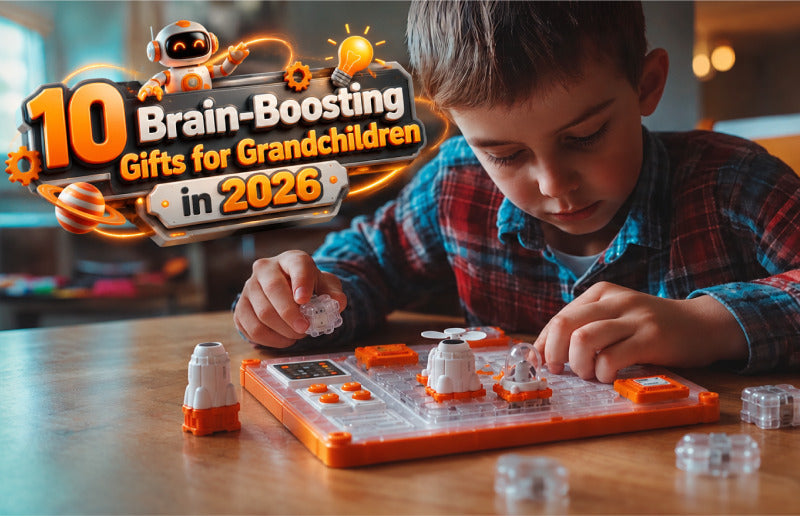

Engaging Overview of 2026's Best Toys Introduction to the Toy Trends In tod...