

Which Toys Are Most Popular With 4 and 5-Year-Olds?
Overview of Popular Toys Toys create pathways for creativity, learning, and ...

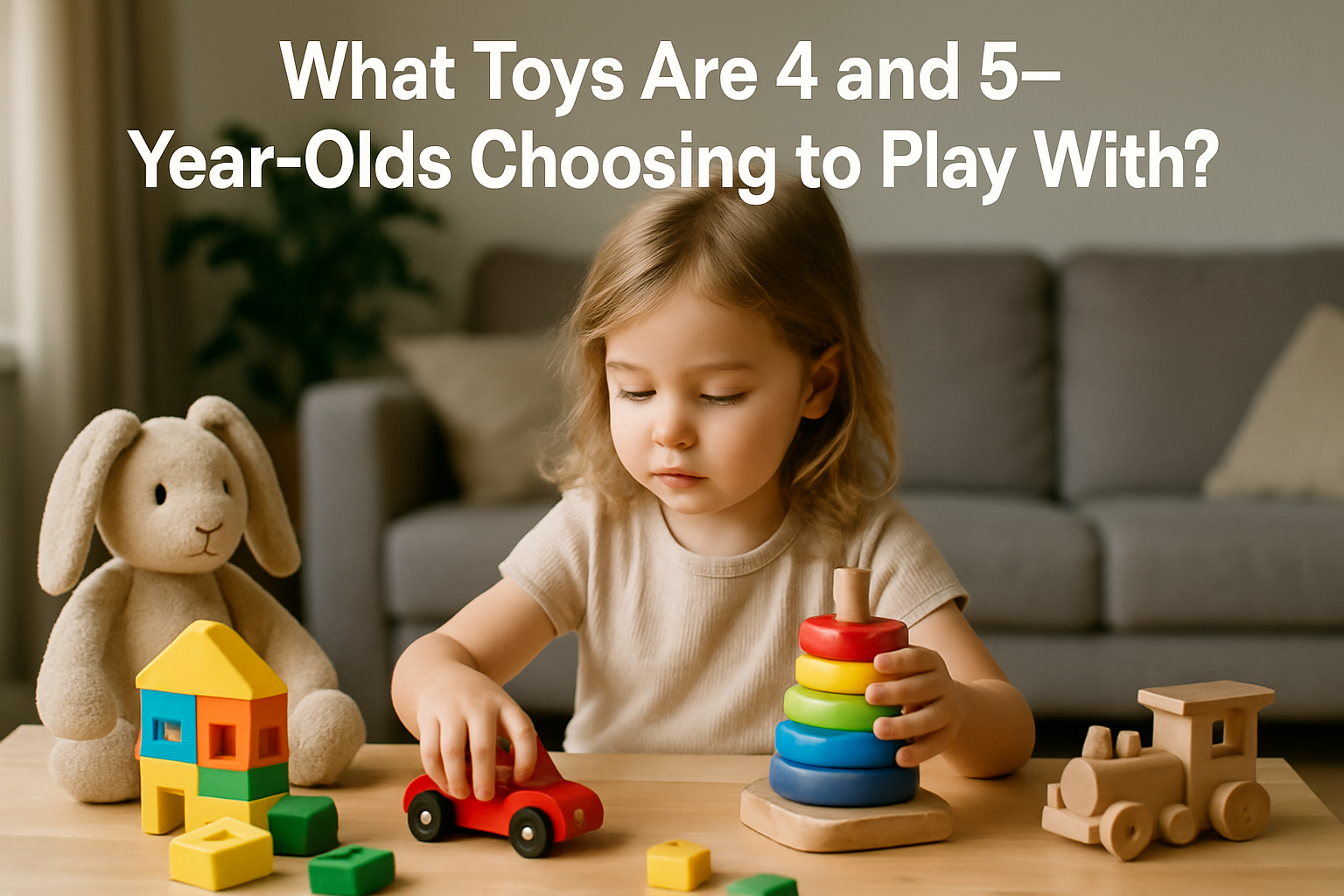

Toys create pathways for creativity, learning, and play, making them integral to childhood development. At ages 4 and 5, children are at a stage where their play transforms from simple exploration into more complex imaginative scenarios. Toys designed specifically for these age groups cater to their innate curiosity and thirst for discovery. These toys emphasize imaginative play, learning, arts and crafts, and puzzles, supporting both cognitive growth and fine motor skills. As children engage with these items, they develop essential skills such as problem-solving, creativity, and social interaction.
Among the myriad of options available, building sets and pretend play items are particularly favored. Children often gravitate towards toys that encourage role-playing, allowing them to act out various scenarios with their peers. Building sets, made of interlocking pieces, offer the unique benefit of hands-on construction. This promotes not only fine motor skills but also cognitive abilities as children figure out how different pieces fit together. Pretend play items, such as kitchen sets or costumes, further enhance imaginative play, allowing children to explore social dynamics and narratives in a creative context.
Moreover, arts and crafts supplies, along with board games, are essential elements of this age group’s favorite toys. Crafting materials like crayons, markers, and clay offer opportunities for self-expression and artistic exploration. Children can create tangible results of their imagination, which they find immensely satisfying. Board games are also a fun way to foster cognitive engagement while teaching essential social skills such as taking turns and following rules. These toys not only encourage children to think critically but also allow for shared experiences with family and friends, enhancing their emotional and social development.
Ultimately, the toys that capture the attention of 4 and 5-year-olds serve multiple purposes, contributing to a well-rounded developmental experience. The diversity of engaging toys available enhances their ability to explore, create, and connect with those around them. This range not only caters to individual interests but also bolsters critical skills that will serve them throughout their formative years. In fact, the right mix of creativity-inducing and educational playthings allows children to grow in both confidence and competence while they joyfully engage in their world.
As the world adapts to a post-pandemic reality, a pronounced trend in the toy market has emerged: a return to basics. Parents and educators are increasingly valuing traditional play methods that emphasize social-emotional learning and mindfulness. Children today benefit from engaging in imaginative and cooperative play, fostering crucial social skills and emotional understanding. This shift towards simpler, hands-on play encourages kids to interact with one another and develop a sense of community, which may have been disrupted during the pandemic. Toys that inspire creativity, problem-solving, and genuine connection among peers are gaining popularity, resonating with both children and caregivers.
Another intriguing trend is the 'tween takeover,' where interests from older children are influencing the preferences of preschoolers. This phenomenon is creating a bridge between demographics, with older children's trends seeping into the toys enjoyed by their younger counterparts. This blending may be due, in part, to shared play patterns and interests that cultivate a sense of togetherness and understanding. Consequently, the toy market is seeing a demand for products that appeal to both age groups, reflecting shared experiences and common fandoms. As younger children adopt interests popularized by older siblings or peers, the lines between age-specific toys are becoming increasingly blurred.
In addition to these overarching themes, the collectible toy trend, characterized by items ranging from plush creatures to tiny functional playthings, continues to thrive. Driven largely by social media trends, children are drawn to the excitement of collecting and sharing their finds. The appeal of these toys lies in their curated nature, giving children a chance to explore a wide array of themes and characters. Collectibles also promote a sense of ownership and individuality, as children proudly display their collections. Altogether, these trends highlight an evolving landscape of play where emotional learning, demographic blending, and the charm of collectibility reign supreme.
Current favorites among preschool toys often stem from popular children's shows and movies, lending a sense of familiarity and excitement to playtime. Toys inspired by these franchises not only attract children's attention but also help to create an engaging narrative that develops imaginative play. Sensory play items, too, are making their mark as essential toys for preschoolers. These toys enhance tactile experiences, providing opportunities for exploration and discovery through touch, sound, and movement. Such products are vital in stimulating sensory development, crucial during the formative preschool years.
The educational focus of contemporary toys emphasizes the enhancement of creativity and critical thinking skills. While play is often seen as a leisurely activity, the best toys today instill learning in a playful environment. Toys promoting STEM (science, technology, engineering, and mathematics) concepts are particularly popular, as they encourage children to engage with problem-solving and innovative thinking. Educational toys are thoughtfully designed not only for entertainment but also to nurture essential cognitive skills. By engaging children in activities that challenge their thinking, these toys provide a foundation for lifelong learning.
Moreover, as parents become increasingly aware of the impact of play on development, the demand for educational toys that cater to various learning styles is on the rise. In response, manufacturers are creating diverse options that include artistic materials, building sets, and logical reasoning games, each tailored to stimulate creativity while fostering critical analysis. As these trends continue to grow, the landscape of children’s toys becomes a dynamic blend of fun and education, encouraging both development and delight during playtime.
Toys play a pivotal role in nurturing the development of children aged four to five years. At this stage, every interaction with a toy can significantly contribute to cognitive, social, creative, and physical growth. The advantages of playtime extend beyond mere entertainment, merging fun with essential learning opportunities that foster vital life skills.
Toys greatly enhance cognitive development through active exploration and interaction. Activities that involve toys can significantly improve language skills as children engage in conversations about their play experiences. For instance, when using toys like action figures or dolls, children often articulate their thoughts and feelings, thus enhancing vocabulary and comprehension. This form of interactive play encourages children to describe scenarios, ask questions, and express ideas, all of which are fundamental to cognitive growth.
Moreover, specific types of toys such as puzzles and building blocks foster problem-solving abilities. Puzzles require children to identify patterns, shapes, and spatial relationships, while building blocks encourage them to think critically about design and balance. These activities not only refine their reasoning skills but also boost their confidence in overcoming challenges. As children manipulate these toys, they learn to evaluate outcomes, an essential skill that lays the groundwork for more complex learning in subjects like math and science.
The blend of active exploration and problem-solving enriched by toys provides a secure platform for cognitive advancement. As children dive into imaginative scenarios and seek solutions using the toys around them, they pave the way for improved focus, attention span, and an eagerness to learn about the world around them.
Social development is another critical benefit of toys for young children. Through cooperative play with toys, children learn valuable lessons about sharing, negotiation, and teamwork. When children engage in group play, they inevitably encounter situations that require communication and collaboration. Toys such as board games or construction sets invite multiple players, fostering interaction that teaches vital social skills. This cooperative aspect helps children understand the nuances of relationships, as they must navigate emotions and opinions of their peers.
Furthermore, imaginative play scenarios using toys enable children to develop social awareness and empathy. By role-playing various situations, children step into the shoes of others, allowing them to experience different perspectives. This form of imaginative play acts as a safe space for children to explore emotions and social dynamics, such as peer pressure or conflict resolution. The context of play provides a framework for understanding social cues and behaviors, which are essential for healthy relationships in their formative years.
As children engage in shared play practices, they hone their ability to articulate thoughts and feelings, transforming into effective communicators. This social interaction not only enhances their relational abilities but also cultivates a sense of belonging and community among peers, which is foundational for their emotional development.
The role of toys in fostering creativity and imagination cannot be overstated. Open-ended toys, such as art supplies, musical instruments, or building materials, encourage free expression and innovative thinking. Children are given the freedom to design and create, leading to original ideas and unique solutions. This type of play is vital for developing creativity, as it empowers children to explore possibilities beyond the conventional, stimulating their imaginative faculties.
Classic toys, like building blocks, also play an instrumental role in supporting imaginative play. As children construct various structures, they not only engage their creativity but also develop spatial awareness and fine motor skills. The manipulation of such toys invites children to experiment with design elements, which can lead to playful storytelling and collaborative envisioning of different scenarios with their peers.
Moreover, the act of imaginative play is linked to enhanced cognitive flexibility, allowing children to approach problems from different angles. By creating and adapting various scenarios, they learn to think outside the box. This adaptive creativity is essential not just in childhood but also in their future problem-solving strategies.
Engagement with toys often translates into enhanced physical development, particularly gross motor skills. Toys that encourage movement—such as those that require pushing, pulling, or climbing—help children to develop muscle strength, coordination, and balance. Activities involving physical engagement lead to an active lifestyle, which is fundamental in preventing childhood obesity and promoting overall health.
Playing with larger toys, such as ride-on vehicles or outdoor play equipment, encourages children to develop their physical capabilities. These activities not only enhance fitness but also improve their ability to navigate spaces effectively. As children challenge themselves through physical play, they naturally build endurance and control, which are crucial for more advanced physical activities in the future.
Additionally, engaging in physical play promotes social interaction, as children often collaborate or compete in games. The combination of physical exertion and social play fosters a fun environment for learning important life skills while keeping them active and engaged. Through these varied experiences, children develop the physical confidence needed to explore their environment while socializing with peers.
Finding the right educational toys for children aged four and five can significantly impact their developmental journey. At this age, children are exploring the world with renewed curiosity and an eagerness to learn. Therefore, selecting toys that promote STEM (Science, Technology, Engineering, and Math) skills is essential. Toys that incorporate engineering principles or problem-solving elements can enhance cognitive abilities and encourage critical thinking. For example, building sets allow children to create various structures, promoting not only creativity but also spatial awareness and understanding of basic engineering concepts. By engaging with these toys, children learn to experiment, fail, and try again, which cultivates resilience and problem-solving skills.
Collaboration is another essential aspect of learning at this stage. Toys that facilitate collaborative play can enhance interpersonal skills, enabling children to learn from each other. Cooperative games and team-building challenges encourage kids to communicate, strategize, and share ideas, fostering teamwork. When children engage in collaborative play, they are more likely to develop empathy and respect for others’ viewpoints. This shared experience teaches them to navigate social interactions, an essential skill that will serve them throughout life. Moreover, collaborative toys can also include elements of competition, which can make learning fun and exciting, motivating children to improve their skills further.
The concept of learning through play is paramount in early childhood education. This philosophy underscores that children learn best when they are actively involved and having fun. High-quality educational toys designed for this age group tap into children's natural instincts and interests, making learning feel like an adventure. Toys that encourage imaginative play allow kids to explore various roles and scenarios, which boosts their social and emotional development. By creating a rich and engaging play environment, parents can support their children's growth in multiple domains, from cognitive and physical development to social skills and emotional resilience. Hence, choosing toys designed with a learning-through-play approach can lead to more enduring educational outcomes.
Understanding the factors that influence toy selection is critical for grasping parental preferences in today's market. Socio-demographic factors play a significant role in shaping these choices. For example, families with diverse cultural backgrounds may seek toys that reflect their heritage and promote cultural relevance. In contrast, families from affluent neighborhoods may prioritize toys that emphasize quality and durability. Parents often wrestle with decisions on toys that are not only educational but also provide a sense of safety for their children.
Moreover, a family's educational values can drive their purchases. Parents are increasingly looking for toys that can facilitate STEM learning, emotional intelligence, and social skills. Consequently, parents select toys that have demonstrated educational benefits while being safe and compliant with health regulations. The awareness of potential hazards related to some materials makes parents vigilant. As a result, parents often research and consider the developmental appropriateness of toys, making informed decisions that align with their children's age and capabilities.
In addition to socio-demographic influences, safety and educational value are critical priorities for parents. Many parents prefer toys that provide interactive experiences, fostering critical thinking and creativity in their children. This inclination towards educational value reflects the belief that play should have a meaningful component, aiding in the overall development of the child. These preferences often culminate in selections that are designed to stimulate both mind and body, guiding children toward learning while ensuring play remains enjoyable.
The role of parents extends beyond mere selection; they are pivotal in shaping their children's developmental journey through the toys they choose. By selecting appropriate toys, parents can introduce social concepts, enhance emotional intelligence, and foster cognitive growth. Research suggests that toys serve not only as entertainment but also as tools that aid children in exploring their emotions and interpersonal skills. Parents play an active role in this exploration by engaging with their children during playtime, facilitating discussions, and guiding them through the learning processes that toys can offer.
When choosing toys, parents often aim to create environments that stimulate learning and exploration. These deliberate choices reflect their understanding of how toys can serve as vehicles for skill development. For instance, a puzzle may promote problem-solving abilities, while role-playing toys could help in social interaction and empathy-building. The interactions related to toy play further reinforce developmental milestones, indicating that parents' involvement goes beyond selection; it actively contributes to a structured learning experience that enhances their children’s social competencies and emotional resilience.
As parents navigate the vast array of options available, they often rely on their instincts and experiences, along with recommendations from trusted sources. This process is instrumental in ensuring that the toys selected not only meet safety standards but also align with the developmental needs of their children. The determination of what constitutes a suitable toy is influenced by personal beliefs, societal trends, and educational philosophies. This intricate decision-making journey ultimately underscores the significant influence that parents have on their children's growth through thoughtfully selected toys, reinforcing the importance of providing supportive and enriching play environments.
Imaginative play is a vital aspect of child development that significantly enhances critical thinking and creativity. When children engage in imaginative or pretend play, they step into various roles, scenarios, and environments that allow their minds to explore and expand. This form of play encourages children to think outside the box, solve problems, and devise solutions in ways they might not otherwise encounter in structured play or academic settings. The open-ended nature of imaginative play fosters a unique space where children can express themselves freely, experiment with ideas, and develop their creative skills.
Moreover, the types of toys that facilitate this kind of role-playing are essential for enriching children’s social interactions. Toys that encourage imaginative play, such as those that allow for storytelling and role reversal, help children develop empathy and understand different perspectives. For instance, children playing house or pretending to be doctors often mimic real-life scenarios they observe in their environment. These activities not only stimulate their imagination but also teach them about social norms, cooperation, and collaboration. This engagement helps build essential social skills that are critical as they navigate interactions with peers and adults.
Additionally, imaginative play can be pivotal in enhancing communication skills. During pretend play, children learn to articulate their thoughts and negotiate roles with peers, which aids in their language development. For instance, when a group of children decides to play as pirates, they create dialogues, share ideas on game rules, and articulate their roles, all of which contribute to their verbal skills. As they communicate, they practice language structures, vocabulary, and expressive skills that are necessary for effective conversations. Consequently, the integration of imaginative play into a child's routine not only nurtures their creativity but also bolsters their social and communication abilities, making it a fundamental aspect of early childhood development.
Cultural background plays a significant role in shaping the types of toys that parents and children gravitate towards. Each culture has distinct values, traditions, and social norms that influence what is deemed appropriate or desirable in the context of play. For instance, in some cultures, educational toys that promote cognitive development are highly valued, while in others, toys that encourage physical play and social interaction may be emphasized. Parents often select toys that reflect their cultural identity and beliefs about child development. Consequently, a child’s play environment can be a colorful tapestry of cultural heritage, reflecting the values that parents wish to impart.
Additionally, the diversity within cultural contexts means that toy selection is not a one-size-fits-all scenario. Undoubtedly, globalization has introduced new toy varieties to various markets, allowing for a blend of traditional and contemporary playthings. However, this integration requires sensitivity to cultural nuances to avoid misrepresentation and stereotyping. Thus, parents often seek toys that reinforce their cultural narratives and provide children with a sense of belonging. This ensures that play experiences are relevant and affirming, not only reflecting individual family backgrounds but also fostering pride in one’s cultural roots.
Inclusivity is an increasingly important consideration in toy selection. It is critical for toy manufacturers and sellers to recognize the wide spectrum of cultural identities and family structures that exist today. Toys should be developed with sensitivity, catering to the diversity of children's experiences and backgrounds. This includes acknowledging different family dynamics, cultural practices, and abilities. Thus, fostering an inclusive play environment becomes essential for healthy social development. By promoting toys that celebrate diversity and provide representation, we can encourage children to appreciate their own identities while developing empathy and understanding toward others. In this way, the toy selection process transcends mere purchasing, becoming a fundamental aspect of social learning and cultural exchange.
As the toy industry evolves, a remarkable shift towards innovation and sustainability is taking center stage. Emerging brands are responding to the needs of modern parents by developing toys that not only entertain but also educate. This shift is particularly evident in products designed for the 4-5 age group, where the combination of playful learning and environmentally-friendly materials has become a central focus. In this age group, children are exploring their identities and honing their motor skills, making the choice of toys even more crucial for their developmental journey.
One of the most significant trends is the integration of sustainable materials into toy manufacturing. Emerging brands are increasingly opting for biodegradable plastics, recycled materials, and organic fabrics. This conscious decision serves a dual purpose: it fulfills the demand for environmentally responsible products while also catering to the growing consumer base that prioritizes sustainability. For parents, the appeal lies in knowing that their children's toys are not contributing to environmental degradation. This focus on sustainability resonates with the core values of today's families, who prioritize eco-friendly choices.
Additionally, there is a strong emphasis on developmental toys that align with modern educational principles. The toys in this sector are carefully designed to enhance cognitive skills, creativity, and social interactions among young children. Products that encourage imaginative play, problem-solving, and fine motor skill development are particularly popular. Some brands are leveraging technology to create interactive experiences, merging traditional play with digital elements. These innovations make learning fun and accessible, fostering an environment where children can thrive. Thus, toy brands are redefining playtime not just as a leisure activity, but as an essential component of early childhood education.
Overall, the emergence of innovative toy brands represents a significant shift within the industry. By focusing on sustainability and educational value, these brands are creating products that appeal to conscientious parents looking for the best for their children. As these trends continue to shape the market, it will be fascinating to see how they influence the types of toys children engage with, helping to cultivate a generation that values both play and learning. As the demand for these toys increases, so does the responsibility of toy manufacturers to maintain quality and safety while pushing the boundaries of creativity and sustainability in their designs.
Toys play a vital role in childhood development, fueling imagination and creativity. In recent years, there has been a noticeable shift towards toys made from sustainable materials. These eco-friendly toy options not only contribute to healthier environmental practices but also inspire creative play in children. When toys are constructed from natural, biodegradable materials rather than plastics, they present an opportunity for children to engage with their environment thoughtfully. Initiatives promoting these toys highlight the importance of fostering a connection between children and their natural surroundings, ultimately encouraging sustainable habits from a young age.
Health benefits are another significant aspect of choosing non-toxic and eco-friendly toys. Many traditional toys contain harmful substances that can affect a child's health, including chemicals that disrupt hormonal balance or contribute to developmental issues. By opting for toys made from organic materials, parents can provide a safer play environment for their children. These toys are often free from harmful chemicals such as phthalates, lead, and bisphenol A (BPA), which are commonly found in conventional plastic toys. Furthermore, non-toxic toys often encourage safe exploration and imaginative play, reducing the risk of adverse health effects.
Additionally, eco-friendly toys made from sustainable resources support a larger set of values that parents may wish to impart to their children. Teaching kids about sustainability through play can lay the groundwork for responsible behavior in the future. When children use toys made from recycled materials, they learn the value of resourcefulness and the impact of recycling. Such experiences can cultivate environmental awareness, prompting children to appreciate and protect their surroundings as they grow. In doing so, parents not only equip their children with a fun playtime experience but also instill essential life lessons about caring for our planet. Embracing eco-friendly toys promotes a more holistic approach to childhood development, merging play with purposeful learning.
The selection of toys plays a significant role in the developmental benefits for children during their early years. Through proper toy selections, parents and caregivers can foster essential skills such as motor development, creativity, and social interaction. Toys that are designed to be both fun and educational can create enriching experiences that promote cognitive growth. Understanding how each type of toy can contribute to a child's development helps in making informed choices. For instance, toys that encourage problem-solving, such as puzzles or building sets, can enhance a child’s critical thinking skills.
Moreover, staying informed about current trends in the toy industry enriches the selection process. Trends often reflect not just what is popular, but also what is effective in promoting learning and engagement. For example, toys that incorporate technology or those that promote outdoor play have gained traction, highlighting a broader understanding of how play affects development. It is essential to observe which toys resonate with children and adapt choices based on their unique interests and developmental stages. As such, being attuned to these trends enables caretakers to provide toys that not only entertain but also educate.
Safety is another paramount consideration when selecting toys. The well-being of children should always come first. Understanding safety standards helps in choosing toys that do not pose potential hazards. Parents should be vigilant about labels on toys and manufacturers' recommendations regarding age appropriateness and materials used. The educational value of toys extends beyond merely providing entertainment; it encompasses creating safe spaces where children can explore, experiment, and grow. Hence, a holistic approach to toy selection that integrates safety, education, and current trends ensures that children receive the maximum developmental benefits from their play experiences.

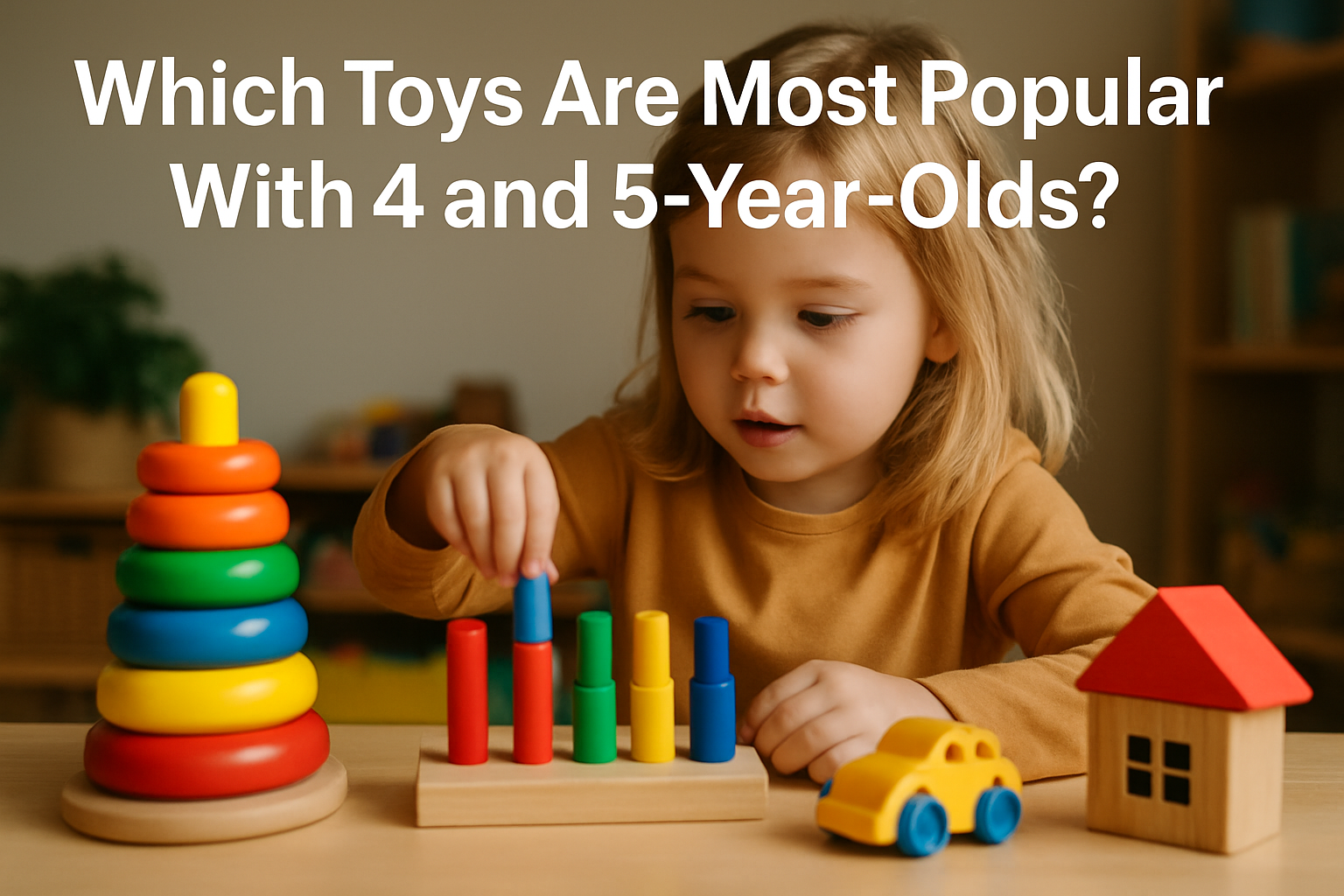

Overview of Popular Toys Toys create pathways for creativity, learning, and ...

Overview of Popular Toys Toys create pathways for creativity, learning, and ...