25 Coolest Gifts for Grandchildren in 2026
Introduction to Independent Play for Toddlers When it comes to fostering cre...

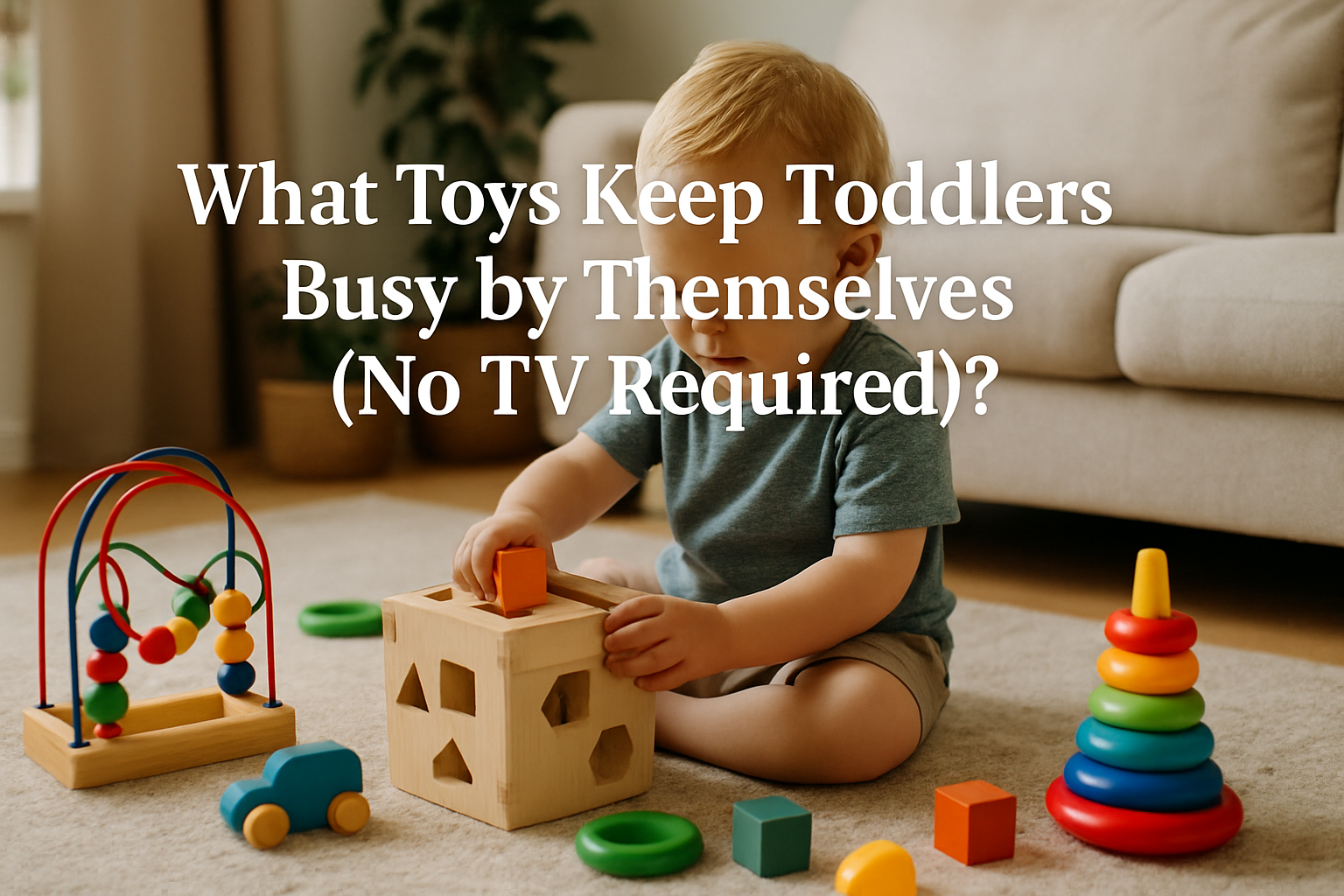

When it comes to fostering creativity and self-reliance in toddlers, independent play is a vital aspect of their development. It serves not only as a source of entertainment but also as an opportunity for young children to explore their interests, solve problems, and hone their motor skills without adult supervision. Encouraging toddlers to engage in independent play helps them learn to navigate their environment, enhances their cognitive functions, and provides a foundation for lifelong learning.
Understanding the essence of independent play begins with defining what it entails for toddlers. Independent play refers to activities that toddlers can engage in by themselves, allowing them to take charge of their playtime experiences. This type of play promotes autonomy and cultivates an inquisitive spirit in children as they explore various options at their own pace. Rather than relying solely on structured activities led by adults, toddlers benefit greatly from the freedom to make choices, fostering a sense of ownership and responsibility for their own playtime.
The importance of nurturing independent play cannot be overstated. It contributes significantly to a child’s emotional and social development. Through independent play, toddlers learn how to entertain themselves, make decisions, and cope with both successes and failures. These essential skills enhance their self-confidence, resilience, and ability to work through challenges. Additionally, independent play has notable benefits for creativity and problem-solving, as children are encouraged to think outside the box. They learn to experiment, innovate, and express themselves freely, paving the way for improved cognitive abilities and critical thinking skills.
As parents and caregivers, providing opportunities for independent play is key. Setting up the environment with open-ended toys, art supplies, and sensory materials fosters a safe and inviting space. Such an environment can invigorate a child’s imagination and stir their curiosity, allowing them to embark on imaginative journeys without screens. Engaging in independent play not only keeps toddlers occupied but also helps develop their intrinsic motivation, paving the way for a more enriched childhood filled with creativity and discovery.
The joy of independent play can transform a child’s development, nurturing creativity and self-reliance. One of the standout toys that encapsulates this spirit is Magnatiles. These colorful, magnetic tiles allow children to explore their imagination through construction. Designed with vibrant colors and various geometric shapes, Magnatiles are not just appealing to the eyes but also offer an engaging tactile experience. The open-ended nature of these toys means that toddlers can experiment freely, building anything from simple structures to intricate castles. As they play, they harness fine motor skills, spatial awareness, and problem-solving capabilities, all while enjoying a hands-on activity.
Moreover, Magnatiles provide endless potential for children’s creativity. With basic instruction, they can create their own designs, embracing the role of both architect and builder. Whether it’s creating a fort to house their favorite toys or a complex bridge, the possibilities are limited only by their imagination. This form of constructive play fosters a sense of accomplishment as they see their creations come to life, encouraging further engagement and extended play sessions.
Another excellent option for independent play is the versatile world of building sets, including larger blocks aimed at younger children. These are designed to stimulate creativity while also enhancing fine motor skills. The blocks' varying sizes and shapes allow toddlers not only to stack but also to create diverse structures, which can be both functional and whimsical. Parents have observed that these building sets not only keep children engaged for extended periods but also promote collaborative play when shared with siblings or friends, reinforcing social skills as they work together or engage in imaginative scenarios.
Pretend play sets also offer a rich avenue for imaginative exploration and creativity. The vast array of available play kitchens, doctor kits, and other role-playing sets allows children to immerse themselves in a world of make-believe. These toys provide a framework for role-playing scenarios that reflect real life, enabling toddlers to imitate what they observe in their daily lives. Engaging in these activities not only nurtures creativity but also enhances social skills as they navigate various roles, whether pretending to be a chef cooking gourmet meals or a doctor caring for their ‘patients.’
Activities that toddlers can engage in with these pretend play sets are diverse and exciting. They might organize a tea party, negotiate terms during a shopping game, or propose scenarios that spark laughter and dialogue among their playmates. The ability to role-play enhances their communication skills while fostering a sense of empathy, understanding, and cooperation through imaginative interaction. Such toys serve as a critical platform for developing crucial life skills and expanding their understanding of the world around them.
Lastly, craft kits and art supplies provide an incredible opportunity for fostering creativity and enabling independent engagement. With a myriad of options available, from simple coloring sets to complex craft kits, children can explore various artistic mediums at their own pace. These materials are instrumental in developing fine motor skills and artistic expression, as toddlers experiment with colors, shapes, and textures. When engaged in crafts, children experience the joy of creation, often unaware that they are also enhancing their cognitive skills and emotional intelligence.
The role of craft items in independent play cannot be overstated. They encourage children to make choices, select materials, and express their unique ideas through hands-on projects. Recommendations for suitable craft items often include washable markers, large crayons, simple collages, and age-appropriate scissors. These tools enable toddlers to create with confidence, allowing them to showcase their artwork to family and friends, further boosting their self-esteem.
In summary, these toys not only facilitate independent play but also contribute significantly to a child’s growth and development. By providing opportunities for creative expression, motor skill enhancement, and imaginative role-playing, these toys serve as invaluable resources in a child’s formative years.
Engaging children's senses is vital for their development, and creative play activities provide an excellent avenue for that. One such activity is the Noodle Sensory Bin. By filling a plastic tub with dry noodles and adding in toy animals or bugs, children can explore textures and engage their imaginations. The tactile experience of handling noodles, combined with the surprise of discovering creatures hidden within, encourages both fine motor skills and imaginative play.
Another entertaining option is the Popsicle Bath. During hot days, setting up a baby pool filled with water along with popsicles can create a joyful outdoor water activity. Children can watch the popsicles float, melt, and change in texture. This not only offers sensory engagement but also allows them to experiment with colors and enjoy the refreshing coolness of water on warm days.
The Pom Pom Push game introduces an intriguing dimension to play with simple materials. Using painter's tape to create pathways and providing pom poms, kids enjoy the challenge of pushing these colorful balls along the created tracks. This activity promotes hand-eye coordination and provides an opportunity for teamwork if played in groups. Additionally, art is brought into the mix with the Roll of Paper and Markers activity. Unrolling large craft paper allows toddlers to freely express themselves using dot markers, fostering creativity and self-expression while developing their motor skills.
Expanding on the idea of sensory play, the Fizzy Drips activity is a fascinating experiment that harnesses basic kitchen staples. When children combine baking soda and vinegar, they will witness an exciting fizzing reaction. Adding food coloring to the mix turns this simple science experiment into a colorful visual treat. Not only does this activity stimulate exploration and curiosity about chemical reactions, but it also provides a dynamic way for children to experience cause and effect.
Another engaging activity is the Kitchen Sink Activity. Utilizing soapy water and toys, this fun washing adventure can turn a mundane task into an enjoyable experience. Children can wash their favorite toys, witnessing the suds bubble and the toys glimmer as they dry. This not only reinforces the idea of cleanliness but also heightens their dexterity and cognitive skills as they navigate through the tasks involved.
The Painter's Tape Car Track is an interactive way to engage children in imaginative play using everyday materials. By adhering painter’s tape to the floor to create a car track, kids can race small toys and explore the concepts of speed and direction. This not only provides endless fun but also helps reinforce spatial awareness and fine motor skills as they maneuver their vehicles along the tape track. Engaging activities like these foster creativity, enhance sensory exploration, and develop critical skills in a playful and enjoyable manner.
Puzzles and play dough are not only fun but also offer significant benefits that can enhance a child's development. Engaging with jigsaw puzzles can greatly improve cognitive skills. These puzzles require spatial awareness, critical thinking, and problem-solving abilities. As children manipulate pieces to fit them together, they begin to understand the concepts of shape and size, enhancing their cognitive mapping. Furthermore, completing a puzzle fosters a sense of achievement, which can boost self-esteem and motivate children to tackle other challenges.
On the other hand, play dough plays a pivotal role in sensory and creative play. It allows children to explore textures and shapes while stimulating their imaginations. When children squish, roll, and mold play dough, they engage their fine motor skills and hand-eye coordination, essential for later tasks such as writing. The tactile experience of working with various colors and shapes encourages children to express themselves artistically, which is vital for their emotional development. Additionally, play dough sessions can encourage social interaction when kids collaborate in creating sculptures or engaging in role-play scenarios.
Transitioning from puzzles and play dough, water toys and building blocks significantly enhance playtime engagement. Water toys, especially during warm days, can captivate children's attention for extended periods. Activities involving water can introduce concepts like buoyancy, flow, and even early physics for toddlers. Playing with water toys offers sensory experiences that are not only refreshing but also engaging, providing a multitude of opportunities for imaginative play such as pretending to navigate a boat or splash in a waterfall.
Building blocks present an essential avenue for engagement through their versatility. They come in various shapes and sizes, allowing a multitude of construction possibilities. As toddlers manipulate these blocks, they learn not just about basic engineering principles but also about balance and gravity. The process of stacking and arranging blocks enhances problem-solving skills, as children decide how to create a stable structure. Additionally, building blocks foster cooperative play when children work together to create unique designs. This interaction helps develop social skills while enriching their vocabulary as they discuss their creations.
In summary, both jigsaw puzzles and play dough, along with water toys and building blocks, serve as exceptional options for engaging children through play. Each offers a unique set of benefits that promote cognitive, motor, social, and emotional development. These alternatives to traditional toys encourage exploration and creativity, ultimately supporting a child’s holistic growth during their formative years.
Creating an ideal play environment is essential to fostering independent play in children. It begins with ensuring the space is both safe and organized. A child needs to feel secure in their environment to explore freely. Safety measures should include soft flooring without sharp edges and age-appropriate materials that can withstand rough play. An organized play area helps children locate toys easily, promoting a sense of autonomy and confidence. For instance, labeled bins for different types of toys encourage children to clean up after themselves, reinforcing responsibility. Moreover, consider the flow of the play area, ensuring that it allows for smooth movement and accessibility to various play stations.
Visual invitations to play can significantly enhance the play environment. Visual cues – such as colorful displays or thematic setups – can spark a child's imagination and creativity. For example, a space adorned with a mini kitchen setup invites children to engage in pretend cooking or role-playing games. Maintaining an inviting atmosphere is key; it can be achieved by regularly changing the visual stimuli, such as introducing new themes or activities based on the seasons or children’s interests. These changes not only capture attention but also inspire new forms of play, allowing children to discover different ways to engage with their environment.
To keep play fresh and exciting, rotating toys is another effective strategy. Over time, children can lose interest in stale toys, leading to decreased engagement. Regularly swapping out toys ensures that familiar items feel new and exciting again. This can be done simply by organizing a system for toy rotation—keeping a selection of toys out while storing others away for a designated period. Additionally, groups of toys can be categorized by theme or activity, further enhancing creative play. By introducing rotated toys thoughtfully, caregivers can continually stimulate children's curiosity and independence in play, making for a more enriching play experience overall.
Open-ended toys play a significant role in fostering creativity and enhancing independent play among children. These toys are designed without a fixed use, allowing for unlimited possibilities in how they can be utilized. Unlike conventional toys, which often guide children toward a specific way of play, open-ended toys encourage kids to think critically and creatively, as they can manipulate them in various ways. The flexibility of these toys stimulates imaginative play, making them invaluable tools for early development.
Supporting independent play with open-ended toys is essential for a child’s growth. These toys can range from building blocks and art supplies to natural materials like stones and sticks. The unstructured nature of open-ended toys gives children the autonomy to explore and create their own rules. This autonomy is vital, as it promotes self-regulation, decision-making skills, and problem-solving abilities. Children engaging independently with these toys often devise their own games, which fosters a sense of ownership and personal investment in the play experience.
Beyond merely being fun, open-ended toys significantly impact a child's play experiences. Research shows that these toys can enhance social skills when children play together, encouraging collaboration as they negotiate and share ideas. As kids use these toys, they express their thoughts and feelings, which can be pivotal for emotional development. Moreover, the exploration through open-ended play helps children develop fine motor skills, spatial awareness, and creativity, providing a robust foundation for their cognitive development as they grow. The open-ended nature of these toys invites children to take risks and experiment, critical components of a healthy developmental stage.
Educational toys play a vital role in enhancing learning experiences for children through play. These toys are designed to stimulate creativity and intellectual growth, enabling children to explore various concepts in a fun and engaging manner. By fostering curiosity and encouraging hands-on activities, educational toys serve as important tools for independent play. As children interact with these toys, they not only develop cognitive skills but also strengthen their ability to focus and solve problems independently.
One example of educational toys that promote these learning outcomes includes toys for sorting and counting activities. Such toys allow children to engage in numerical games that enhance their mathematical skills while also fostering the development of fine motor skills. Activities associated with such toys support children in understanding numbers and counting in a playful context, which increases retention and comprehension. Additionally, interactive learning toys cater to various learning styles, making it easier for children to grasp complex concepts and prepare for school environments where collaboration and independent learning are key.
The benefits of educational toys extend beyond mere academic skills; they encourage creative play without screens, allowing children to use their imagination and engage in constructive playtime. Through these independent play activities, children develop important social skills as they learn to navigate scenarios and experiment with role-playing. Activities like building, sorting, and crafting help promote problem-solving abilities and provide a sense of accomplishment. Overall, educational toys create an enriching environment where children can thrive and develop holistically across various domains of their growth, including emotional, social, and cognitive development.
Interactive toys play a vital role in a child's development. They provide an environment conducive to learning through engaging play. These toys foster cognitive and motor skills, offering children opportunities to explore their surroundings creatively and physically. As toddlers interact with these toys, they not only entertain themselves but also enhance their problem-solving abilities and coordination by manipulating objects and responding to stimuli. Furthermore, early exposure to interactive play can help children build social skills as they engage with peers or family members during playtime.
The importance of interactive play cannot be overstated. Research indicates that toddlers who engage in interactive play show improved language skills and cognitive development. Unlike passive play, interactive toys demand active participation, prompting little ones to think critically and respond in various ways. This type of engagement encourages exploration and experimentation, essential components in early learning. As children figure out how to use these toys, they develop persistence and adaptability.
Moreover, interactive toys are designed to respond to a child's actions, providing immediate feedback. This feedback loop encourages trial and error, where toddlers can learn from their successes and failures. As they engage with these toys, they also begin to understand cause and effect, which is critical in their overall cognitive development. By stimulating their senses and prompting creative thought, interactive toys lay a strong foundation for lifelong learning and curiosity.
When it comes to keeping toddlers engaged, certain types of interactive toys stand out for their ability to captivate a child's attention and curiosity. One category includes storytelling devices that create an immersive experience through audio and visual elements. Such toys encourage imaginative play, as children can explore various narratives and scenarios. By listening to the stories or music, toddlers can also enhance their auditory skills and develop a love for literature and language.
Musical instruments are another excellent option for interactive play. These instruments encourage children to explore sounds and develop an understanding of rhythm and melody. Through play, toddlers can express their emotions, listen to the sounds they create, and experiment with different pitches and tones. In this way, musical instruments not only promote auditory development but also foster creativity and self-expression. Engaging with music builds neural connections in the brain, enhancing both cognitive and motor skills as children learn to control the instruments.
In addition to narrative-based and musical toys, there are numerous interactive options that encourage physical activity and exploration. Toys that require manipulation, such as shape sorters or stacking blocks, challenge toddlers to work on their fine motor skills. These activities not only keep them engaged but also support their hand-eye coordination and spatial awareness. Overall, the variety of interactive toys available can stimulate various aspects of a child's development, ensuring that playtime is both enjoyable and educational.
Sensory toys are invaluable tools for fostering independent exploration and creativity in children. One such popular type is kinetic sand. This unique sensory resource allows children to engage in tactile exploration that is both enjoyable and educational. The fine, pliable texture of kinetic sand feels delightful to the touch, encouraging children to manipulate and mold it into various shapes. While playing, they are not only entertained but are also developing their fine motor skills as they practice grasping, squeezing, and shaping the sand. This hands-on experience is critical for enhancing their creativity, as it invites them to build intricate structures while also discovering the properties of the material.
Another beneficial type of sensory toy is the weighted ball, which provides proprioceptive input. This type of input is essential for helping children with self-regulation and focus during play. The added weight of the ball encourages children to engage in various activities that require movement, enabling them to experience a sense of calmness. As they toss, roll, or catch the weighted ball, they develop gross motor skills, coordination, and balance. This active play not only helps in physical development but also allows for mental engagement as children learn to navigate their space more effectively.
Through solo exploration with these sensory toys, children gain independence and confidence in their abilities. The open-ended nature of sensory play allows for individualized experiences where each child can explore at their own pace. This structure fosters a love for learning and invites creativity, making sensory toys an essential part of developmental playtime.
Engaging with sensory toys offers a plethora of benefits that extend beyond mere entertainment, enriching a child's growth and development. One of the most significant advantages is multi-sensory engagement, which heightens a child's curiosity and desire to explore. When children interact with materials that stimulate their senses—be it through touch, sight, or sound—they are more likely to ask questions and seek out new experiences. This layered interaction fosters an intrinsic motivation to learn and discover, which is particularly important during the early stages of cognitive development.
Moreover, sensory play has been shown to promote emotional regulation in children. As they manipulate different textures and weights, they learn to identify and manage their feelings in a constructive manner. For instance, playing with kinetic sand may help a child release pent-up energy or frustration, providing a calming effect. Furthermore, through creative expression, children can enhance their vocabulary and language skills by verbally describing their experiences. The act of sharing their thoughts about their discoveries creates opportunities for language development, while also reinforcing social skills important for interactions with peers.
Ultimately, sensory toys contribute significantly to holistic growth by combining play with learning. They enable children to explore their emotions, refine their motor skills, and cultivate their curiosity all at once. This multi-faceted approach to learning is crucial, as it aligns with various developmental domains, setting the groundwork for a lifetime love of learning and exploration. Thus, sensory toys are not just playthings but essential tools that pave the way for comprehensive growth and development in young children.
When it comes to creative play, various types of clay and modeling materials can spark a child’s imagination. One popular choice among young sculptors is air-drying clay. This material is particularly advantageous for toddlers and pre-schoolers, as it allows them to freely mold and shape their creations without the need for baking or special tools. Air-drying clay is lightweight, easy to manipulate, and dries to a solid form when exposed to air, making it perfect for children who want to see their visions come to life. Its versatile nature means it can be used for a wide range of projects, from simple figurines to intricate designs, thus fostering creativity and artistic expression.
On the other hand, polymer clay represents another excellent option for beginners. This material is notable for its ability to be molded and shaped easily before it is baked in an oven to harden. Polymer clay is available in various colors and textures, allowing children to experiment with different designs and artistic techniques. The baking process not only solidifies the sculptures but also opens up avenues for more complex projects as children grow and develop their skills. The potential for detail with polymer clay is higher than with air-drying options, making it a favorite among more advanced young artists who are ready to explore intricate patterns and designs.
Both air-drying and polymer clay serve different needs depending on a child’s age and skill level. Whether a child is just starting to engage in modeling activities or has developed some experience in sculpting, these materials can help amplify their capabilities. Ultimately, providing children with a range of clay and modeling materials ensures that their creative explorations are limitless.
Engaging with clay and modeling materials offers a plethora of benefits that extend far beyond simple artistic endeavors. One significant advantage is the encouragement of imagination and creativity. When children immerse themselves in molding, shaping, and designing with clay, they step into a world of limitless possibilities. This exploration provides a much-needed break from screens, promoting active participation in the physical world. With the shift towards more digital interactions, encouraging traditional play activities like clay modeling becomes increasingly relevant. It gives children a chance to engage their imaginations, develop storytelling abilities, and explore their thoughts and feelings through art.
In addition to fostering creativity, play with clay significantly promotes physical skill development. Manipulating clay strengthens fine motor skills as children learn to pinch, roll, and flatten the material. These actions enhance hand-eye coordination and dexterity, which are essential for many daily activities. As children navigate different techniques and tools, they also build confidence in their capabilities, learning to control their movements effectively. This practice lays a foundation for more advanced skills, such as writing and crafting, and contributes positively to their overall physical development.
Furthermore, clay play can serve as an excellent social activity. As children gather to create together, they naturally develop important social skills such as sharing, collaboration, and compromise. Working alongside peers fosters communication and encourages teamwork, as they learn to discuss ideas and solve problems collectively. This interaction not only enriches their creative experience but also nurture relationships and support emotional growth. In essence, the benefits of clay play are multi-dimensional, impacting imagination, physical abilities, and social interactions positively.
Arts and crafts provide a delightful avenue for toddlers to express their creativity while developing essential motor skills. Engaging in these activities not only entertains young children but also aids in cognitive development, fine motor skills enhancement, and emotional expression. To make the most of arts and crafts at home, selecting the right supplies is important to ensure a fun and safe experience.
For toddlers just beginning their artistic journey, mess-free materials are essential. Dot markers are a fantastic choice as they allow young artists to create vibrant and colorful artwork without the hassle of spills. These markers fill the need for both creativity and cleanliness, making them ideal for use on various surfaces like paper or cardboard. Their easy application encourages toddlers to experiment with color combinations and patterns, fostering an enjoyable learning experience.
Another great option for minimal mess is tempera paint sticks. Designed for controlled application, these sticks offer a unique twist on traditional paint. Their solid form reduces the risk of spills while still delivering a wide spectrum of colors. Toddlers can easily hold and manipulate the sticks, allowing them to create beautiful pieces of art with less fuss. The tactile experience of using these sticks also enhances their sensory development, making art a multi-faceted learning experience.
Choosing the right supplies sets the foundation for creative exploration. Parents should look for materials that accommodate the curious nature of toddlers, ensuring that they provide opportunities for self-expression while remaining easy to manage. Selecting appropriate craft supplies not only nurtures their creativity but also instills confidence as they see their artistic skills develop.
Craft projects designed for toddlers should incorporate sensory exploration and hands-on activities. One engaging project is the Four Season Sensory Trees. This creative project invites children to explore the changing seasons through tactile elements and seasonal themes. Using natural materials, cotton balls, colored paper, and various textures, toddlers can create trees that reflect the beauty of each season. As children engage with these materials, they not only learn about nature but also develop important fine motor skills through tasks such as gluing, cutting, and arranging.
Another exciting craft project is making a Textured Bunny. This hands-on experience utilizes common household ingredients, allowing parents to engage their children with materials they likely already have. Toddlers can create a bunny using various textures found in everyday items, such as fabric scraps, old buttons, or even natural elements like leaves and twigs. This activity promotes creativity while teaching children about different textures and their functions. The tactile aspect of this project encourages sensory exploration, ensuring that children remain engaged and excited throughout the crafting process.
Overall, these craft projects not only provide entertainment but also focus on developing crucial skills in toddlers. By focusing on simplicity and sensory engagement, parents can create a rich artistic environment that fosters creativity and learning. Encouraging toddlers to experiment with these activities helps them gain confidence in their abilities while having fun.
When it comes to selecting toys, parents prioritize safety above all else. A significant aspect of safety is ensuring that toys are age-appropriate and free from small parts that could pose choking hazards. According to parent reviews, toys that cater to specific developmental stages not only enhance safety but also encourage healthy development in children. Parents often highlight the importance of adhering to age guidelines provided by manufacturers, as these are designed to promote safe interaction while minimizing risks associated with inappropriate toy choices.
Furthermore, feedback from parents emphasizes that toys should stimulate children's imaginations and creativity. Many reviews reflect stories of children becoming engrossed in pretend play scenarios, which are nurtured by engaging toys. For example, open-ended toys that allow children to build and create can lead to unique play experiences. Parents report that when children have the freedom to explore their imaginations, they often develop problem-solving skills and a sense of autonomy, which supports their overall cognitive growth.
In addition to imaginative play, many parents express a desire for toys to meet developmental milestones effectively. Parent feedback frequently discusses the educational aspects of toys that promote skills such as counting, color recognition, or motor development. Toy designs that encourage interaction—whether through sound, light, or texture—are often praised, as they captivate children's attention and foster exploration. Parents who find toys that successfully blend safety with developmental benefits often commend these products, feeling that they contribute significantly to their child's growth and excitement during playtime. This aligns with the general consensus that choosing the right toys can facilitate a wholesome development experience for children, balancing joy and safety seamlessly.
Creating an organized playroom is essential for fostering independent play among children. When a play space is structured and decluttered, it allows children to explore their interests without distractions. Organization not only helps children find their toys easily but also encourages them to take the initiative in their play. By establishing a dedicated space for each type of activity, children can engage more fully with their imagination. This kind of environment empowers them to play creatively, developing vital problem-solving skills and enhancing their ability to focus.
One of the key elements to consider is the use of clear bins and designated zones within the playroom. When toys and materials are stored in clear containers, children can quickly identify what’s available for use. This visual accessibility makes it easier for them to choose their next activity independently, reducing the chances of frustration that can come from searching through clutter. Designated zones could include areas for arts and crafts, construction, reading, or imaginative play. By categorizing these spaces, children can learn to navigate their environment more effectively, encouraging them not only to play but to transition from one activity to another with ease.
Furthermore, an organized playroom can enhance the overall play experience, making it more enjoyable and productive. When children have an inviting and well-arranged space, they are naturally inclined to spend more time engaged in their chosen activities. This not only supports their creative expression but also allows them to develop social skills when they invite friends to join or share their play. An environment that promotes order can lead to longer periods of focus and participation, which is beneficial for their cognitive and emotional growth. Overall, prioritizing organization in a playroom creates a nurturing atmosphere that encourages independent play, fostering both autonomy and creativity in children.
Choosing the right toys and activities for young children can significantly impact their development. Valuable insights suggest that toys should be designed to encourage open-ended play, which promotes creativity and problem-solving skills. For instance, building sets or art supplies allow children to explore their imagination and express themselves freely. Additionally, toys that engage children in physical activity, like balls and balance equipment, support both gross motor development and overall health. The key is to select toys that allow for various types of play, catering to different interests and developmental stages.
Moreover, parents are encouraged to select toys that foster independent play. This independence is vital for children to learn self-reliance and confidence. Solo activities, such as puzzles or craft kits, challenge children to think critically and learn perseverance when faced with difficulties. Encouraging children to engage in these types of activities helps them develop the ability to entertain themselves, an essential skill that they will carry into adulthood. By providing options that encourage exploration and problem-solving, parents equip their children with the tools to navigate the world around them.
Additionally, activities that promote social interaction are equally important when considering children's development. Group-oriented games and cooperative play not only enhance communication skills but also teach children about teamwork and empathy. Engaging with peers in a constructive manner provides lessons on sharing and taking turns, which are critical components of social behavior. By incorporating both independent and social play into children’s routines, parents create a balanced environment that nurtures their child's emotional and intellectual growth. Ultimately, the right combination of toys and activities can lay a strong foundation for lifelong learning and personal development.



Introduction to Independent Play for Toddlers When it comes to fostering cre...

Introduction to Independent Play for Toddlers When it comes to fostering cre...