

What Classroom Toys and Items Are Kids Most Drawn To?
Popular Classroom Items and Toys The engagement that children exhibit with c...

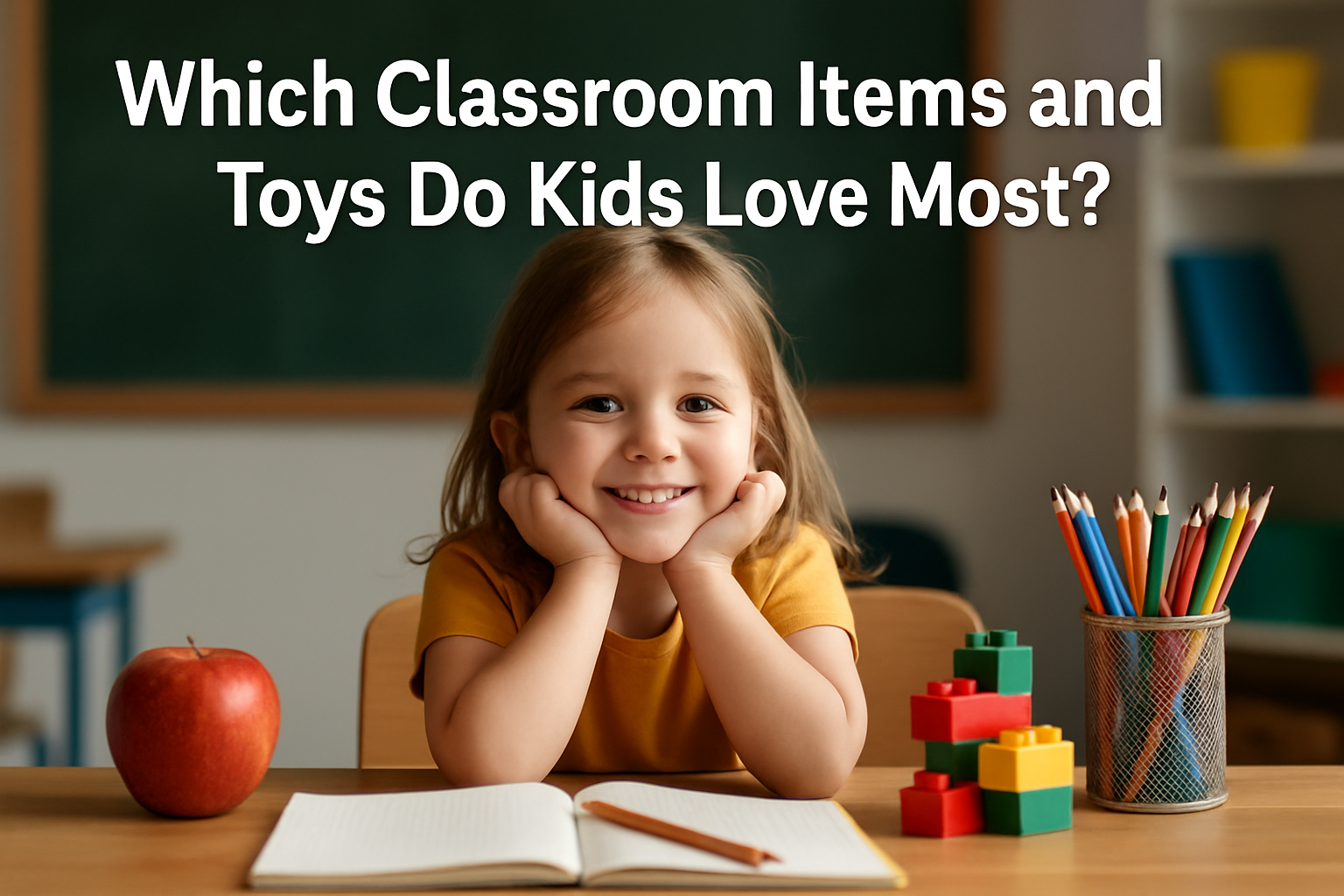

The engagement that children exhibit with classroom items and toys goes beyond mere enjoyment; it significantly influences their learning experiences and developmental growth. Children are naturally drawn to materials that are colorful, interactive, and versatile. Classroom items that promote learning through play not only capture children's attention but also foster creativity and critical thinking skills. By selecting toys and supplies that provide opportunities for exploration and imagination, educators can create environments that support children’s cognitive and emotional development.
To maximize engagement in a classroom, it is important to choose toys that align with children's interests and developmental stages. Items like building blocks or craft supplies encourage creative expression and fine motor skills, while educational games cultivate collaboration and strategic thinking among peers. The right mix of toys not only facilitates play but also motivates students to explore concepts actively, making learning both fun and effective.
According to discussions among educators on platforms like Reddit, favorite classroom items often include a range of inexpensive and engaging options suitable for various activities. Building blocks are highlighted for their versatility; they allow children to create and construct while enhancing spatial awareness and problem-solving skills. Additionally, puppets are frequently mentioned as valuable tools for storytelling and creative role-playing, captivating children’s imaginations. Craft supplies, such as crayons, papers, and markers, also rank highly for providing endless possibilities for self-expression and artistic endeavors.
Moreover, games also emerge as popular classroom items, encouraging cooperative play while reinforcing social skills. Board games and puzzles not only entertain but also promote critical thinking, making them a staple in many educational environments. Sensory play items, including materials like playdough and tactile games, are particularly favored for their ability to engage young learners and support developmental milestones, making play both enjoyable and educational.
Insights from primary teachers' groups on social media provide additional perspectives on the toys that enhance classroom engagement. Many educators share the value of interactive games and educational materials that stimulate learning during breaks and free play sessions. These toys are instrumental in providing alternatives to standard academic tasks, allowing students to unwind while still benefiting from educational interactions. Items promoting active learning through play serve to reinforce concepts being taught while creating a space for children to collaborate and share ideas.
Furthermore, toys designed for engagement during down times not only help manage classroom dynamics but also enhance students' social skills. By encouraging group play and communication, teachers can leverage these materials to foster a more harmonious and collective learning environment. Ultimately, the items chosen for classrooms should reflect the goal of making learning an enjoyable and engaging experience for students.
The emphasis on learning and STEM toys highlights the growing awareness of the need for educational benefits in play items. Various evaluations point to toys that foster problem-solving, logical reasoning, and exploration—key elements in STEM education—as among the favorites for children. Items that allow for hands-on experimentation, such as building sets and logic games, not only engage students but also provide critical thinking challenges.
Educational building kits encourage creativity through construction and design, allowing children to explore scientific principles while having fun. In addition, robotics toys introduce programming concepts, helping students develop essential skills for the future. These types of toys draw children into learning environments that promote inquiry and exploration, thus enhancing their academic experiences.
Overall, the selection of classroom items and toys should reflect a balance between fun and educational value, ensuring that children are not only engaged but also developing the skills they need for lifelong learning.
Classroom supplies play a vital role in enhancing children's learning experiences. Not only do they facilitate daily tasks, but they also spark creativity and engagement among students. The right tools can make the educational environment more inviting and enjoyable, leading to increased motivation and enthusiasm for learning. When children have access to appealing and functional supplies, they are more likely to participate actively in classroom activities, fostering a positive attitude towards their education.
Among the multitude of supplies available, certain items stand out as favorites among students. These items tend to be visually appealing, fun to use, and capable of sparking imagination. Popular choices often include writing and drawing implements, adhesive materials, and decorative items that bring a sense of joy into the learning space. When children are excited about their supplies, they are more likely to use them effectively, enhancing their overall educational experience.
As we explore the top classroom supplies that children love, we can see that each item has unique features that contribute to its appeal. These supplies not only serve functional purposes but also add to the atmosphere of the classroom, making learning more interactive and enjoyable. In the following segments, we will delve into the specifics of these beloved classroom items and discuss how they enrich the lives of young learners.
Creative play is an essential aspect of childhood development, acting as a cornerstone for cognitive growth. Engaging in imaginative scenarios allows children to explore different roles, express emotions, and interact with their peers. This type of play is not merely a fun activity; it nurtures critical thinking and problem-solving skills. As children pretend and create narratives, they learn to think beyond the present moment, developing a flexible mindset that benefits them throughout life.
Moreover, creative play encourages children to make connections between their experiences and the world around them. It stimulates their imagination, helping them visualize concepts and ideas that go beyond what they can see. This imaginative process is foundational for cognitive development, as it lays the groundwork for skills such as planning and organizing thoughts. Through creative play, children become adept at navigating complex social situations, negotiating roles, and collaborating with their peers, which are vital components of effective communication and relational dynamics.
Various educational toys can foster creative play, enriching the experiences children have while engaging in imaginative activities. These toys not only entertain but also inspire children to think critically and creatively as they explore different possibilities. The impact of these toys goes beyond simple play; they enhance developmental milestones such as fine motor skills, spatial awareness, and even emotional intelligence. Each toy can serve as a tool for learning, prompting children to devise solutions, express creativity, and showcase individuality.
When considering the best toys for promoting creative play, several types stand out for their ability to stimulate a child's imagination and creativity. Magnetic toys are particularly effective, as they encourage children to experiment with shapes and structures, enhancing spatial reasoning while allowing them to create various forms through trial and error. Building bricks offer a similar benefit, allowing children to engage in hands-on construction, strengthening their engineering skills, and giving them a sense of accomplishment when they see their creations come to life.
In addition to building toys, imaginative play can be further enriched with items like play silks. These versatile materials can be transformed into anything from capes to tents, encouraging children to enact stories and scenarios from their imagination. Plain wood blocks continue to be a fundamental choice as they provide endless opportunities for open-ended play, allowing children to construct, deconstruct, and reconstruct in any way they please. Similarly, realistic toy animals provide a platform for storytelling and role-playing, connecting children with nature and fostering empathy as they engage with the representations of real-world creatures.
Mini toy vehicles add another layer to imaginative scenarios, enabling children to create their own storylines as they navigate these small objects through their environments. Easels serve as more than just art stations; they act as a launching pad for self-expression, allowing children to communicate their ideas visually. Additionally, tools like droppers and pipettes introduce an element of exploration, promoting an understanding of cause and effect while encouraging scientific inquiry. Other engaging options like folk-style peg dolls and beautifully crafted stacking toys can also inspire hours of imaginative play, helping children to develop their storytelling skills while they experiment with balance and proportion.
In summary, the right educational toys can significantly enhance a child’s experience of creative play, providing them with the tools they need to grow and thrive. By fostering an environment where imagination reigns, we can support their cognitive and emotional development in meaningful ways.
Toys play a significant role in influencing children's cognitive abilities. Different types of toys offer varied opportunities for mental growth, ranging from simple puzzles that enhance spatial reasoning to complex construction sets that foster critical thinking. Research has shown that when children engage with toys that challenge their skills and stimulate their minds, they develop essential cognitive functions such as memory, attention, and problem-solving abilities. For instance, toys that require strategy, such as board games and building sets, encourage children to think critically and plan ahead, providing a unique environment for cognitive development.
Open-ended toys, in particular, hold a special place in fostering problem-solving skills. These types of toys, which can be used in multiple ways, invite children to explore, create, and experiment. For example, blocks and art supplies allow children to engage in imaginative play, ultimately leading to enhanced creativity and problem-solving capacities. By manipulating these toys, children learn to overcome obstacles and think outside the box, essential skills that will benefit them throughout their lives. Furthermore, the experience of trial and error when experimenting with different constructions leads to a deeper understanding of cause and effect, which is vital for cognitive growth.
Importantly, the interaction with these toys also encourages independent learning. As children navigate through challenges presented by open-ended toys, they build perseverance and resilience. They learn to formulate hypotheses, test their ideas, and reflect on their experiences. This process not only enriches their cognitive skills but also fosters a sense of achievement and confidence in their abilities, which is critical for lifelong learning. Consequently, the right selection of toys can act as a catalyst for cognitive development during childhood.
The impact of toys extends beyond cognition to social interaction and creativity. Toys serve as tools for children to engage with one another, fostering cooperation and communication skills. When children play together, they practice sharing, turn-taking, and conflict resolution—essential social skills that contribute to their emotional intelligence and ability to form relationships. Social play, often facilitated by collaborative toys, helps children learn about empathy, negotiation, and teamwork, which are crucial attributes as they grow and interact in various social environments.
Role-playing toys, in particular, enhance imaginative play and support children in understanding diverse social roles and situations. Through dressing up and pretending to be different characters, children explore various scenarios that can mirror real life. This kind of imaginative play provides them with the opportunity to process their experiences and emotions in a safe environment. As they create stories and enact scenes, they also develop verbal skills, learn narrative structures, and expand their creative thinking. Such immersive experiences promote empathy by allowing children to see the world from different perspectives and appreciate the feelings of others.
Moreover, the collaborative aspect of play enhances creativity. When children engage in group play, they share their ideas and inspirations, leading to the co-creation of new games and scenarios. This collaborative process teaches them to value different viewpoints and encourages them to innovate together. As they build on each other's ideas, children learn that creativity flourishes in an environment of cooperation and mutual respect. Thus, the dynamic interplay between toys, social interaction, and creativity is vital for holistic child development, shaping not only their social skills but also their ability to think creatively.
High-quality classroom supplies play a vital role in the learning environment. When students have access to suitable educational tools, their ability to effectively engage in classroom activities significantly increases. Quality supplies foster an atmosphere where students can fully participate, transforming the learning experience. Studies indicate that when students are equipped with better resources, they demonstrate improved concentration levels and higher engagement rates, leading to enhanced academic performance.
Research shows that the availability of well-made materials can affect learners' outcomes positively. For instance, well-designed notebooks, writing instruments, and other educational tools can influence how students approach tasks. These high-quality supplies reduce frustration that often accompanies poor-performing items, allowing students to focus their energy on learning rather than overcoming obstacles. Furthermore, when students recognize that their learning environment values quality, they may respond with greater respect for the materials and their educational journey.
In addition, interactive and durable classroom items can stimulate collaborative learning experiences. Materials that facilitate group work, like flexible seating arrangements and whiteboards, promote teamwork and peer-to-peer communication. This kind of environment nurtures creativity and critical thinking, essential components of the learning process. Overall, investing in high-quality supplies can yield significant benefits, leading to greater learner engagement and improved educational outcomes.
Providing necessary tools significantly enhances student confidence. When learners have access to appropriate supplies, their capability to complete tasks and participate in discussions grows. This sense of readiness encourages them to take initiative, leading students to become more involved in their educational journeys. Confident students are more likely to ask questions, seek assistance, and embrace learning opportunities. By ensuring that students possess the necessary tools, educators can foster an environment in which learners feel secure and motivated.
Moreover, there is a strong correlation between the availability of adequate supplies and student motivation. Students who feel well-equipped are more inclined to engage actively in their learning process. For example, when students have high-quality writing tools or access to compatible technology, they often express enthusiasm to delve into various subjects. This motivation becomes a driving force for academic achievement, influencing their willingness to try new things and tackle challenging material.
In addition, the supportive atmosphere created by providing essential resources can lead to a sense of community within the classroom. When students collaborate using high-quality supplies, they develop a supportive network that encourages collective motivation. This sense of belonging further enhances individual confidence, allowing students to thrive within the educational setting. Consequently, the provision of appropriate supplies transcends mere functionality; it becomes a critical element in uplifting student self-esteem and fostering motivation, ultimately contributing to their overall academic success.
Creating an engaging learning environment is paramount in any classroom. A well-decorated classroom fosters a sense of belonging among students and enhances their overall learning experience. Engaging colors, varied textures, and interactive elements can significantly impact student engagement and motivation. When students walk into a classroom that resonates with warmth and creativity, it promotes positive behavior and a readiness to learn.
Primary Colors
One of the most effective ways to engage students is by incorporating primary colors into the classroom decor. Bright and vibrant hues can evoke feelings of happiness and energy. Walls and bulletin boards adorned with bold colors can spark creativity and enthusiasm for learning. Utilizing color pops through artwork, decorations, and educational materials can create a visually stimulating environment. This not only aids in cognitive processes but also supports a dynamic atmosphere conducive to interactive learning.
Keeping White Space
While colors are important, balancing them with ample white space is equally essential. White space allows for a calming presence, making the room feel less cluttered and overwhelming. It provides a backdrop that emphasizes learning materials and projects, ensuring that distractions are minimized. This balance helps students focus better, leading to improved concentration and productivity. Effective decoration should harmonize colorful elements with tranquility to create an inviting space.
Innovative Peg Boards
Peg boards are an innovative way to encourage student interaction with their environment. These versatile boards can be used for various activities, including displaying student artwork, organizing supplies, or showcasing educational content. The interactive nature of peg boards allows students to take an active role in their classroom decoration, making them feel more invested in their surroundings. This can foster a sense of ownership and pride, enhancing the classroom community's spirit.
Sound Walls
Incorporating sound walls into the classroom decor is another fantastic idea. Sound walls can aid in phonetic understanding and language development by showcasing sounds associated with letters. By allowing students to see and hear the sounds, these walls promote active engagement and language learning. They can be decorated with vibrant images and textures, further enhancing visual appeal while serving a practical educational purpose.
Faux Boxwood Decor
Adding faux boxwood decor can bring a touch of nature indoors while creating a cozy environment. These green accents can soften the space, making it feel welcoming and serene. Plants are known to contribute to improved air quality and a reduction in stress, which can help foster a conducive learning atmosphere. Placing faux greenery in corners or as borders can add an aesthetic appeal that complements colorful decorations effectively.
Interactive Learning Centers
Creating interactive learning centers around the classroom is an excellent way to enhance student engagement. These centers can include various subjects, such as math, science, or reading, with interactive materials that encourage hands-on learning. Such spaces motivate children to explore concepts through play and exploration, reinforcing their understanding in a dynamic way. It promotes collaboration as well, allowing students to work together while learning from one another.
Color-Coordinated Storage
Organized storage plays a vital role in a well-decorated classroom. Color-coordinated storage bins can help maintain an organized environment while also serving as a decorative element. By using bright, labeled bins, students can easily find and return materials, which promotes responsibility and independence. This approach not only enhances the aesthetic appeal of the room but also integrates functionality into the decor.
Comfortable Rugs and Seating
Incorporating comfortable rugs and seating arrangements contributes significantly to a cozy classroom atmosphere. Soft rugs can define learning areas, allowing students to gather comfortably for group activities or quiet reading time. Comfortable seating options, such as bean bags or cushioned chairs, invite students to relax and engage with learning materials. A cozy environment can inspire students to spend more time in collaborative spaces and encourage a sense of community among classmates.
Student Work Displays
Showcasing student work is a fantastic way to celebrate achievements and foster a sense of accomplishment. Display boards or wall spaces dedicated to student projects can boost confidence and motivate others to strive for excellence. By rotating these displays regularly, students can feel a continual sense of pride and engagement within their learning environment, stimulating interest in ongoing educational endeavors.
Creative Crafts
Lastly, integrating creative crafts as part of classroom decorations can provide students with an outlet for self-expression. Whether it’s art projects for holidays or themed decorations throughout the year, these crafts encourage creativity and individuality. Allowing students to contribute to the decoration fosters a collaborative spirit and enhances their investment in their learning space. Additionally, these handmade decorations can spark conversations and bring students together on shared projects.
The classroom supplies market has witnessed significant growth in recent years, driven by various factors that prioritize the needs and preferences of young learners. As educational environments evolve, so do the materials that support teaching and learning. This growth is not merely reflective of an increase in demand but is also indicative of a broader change in the educational philosophy that champions an engaging and supportive atmosphere for children.
A prominent trend within this market is the shift towards eco-friendliness. Many educators and parents are becoming increasingly aware of the environmental impact of the materials used in classrooms. Consequently, there is a growing demand for sustainable products made from recycled and biodegradable materials. These eco-friendly options not only help create a healthier learning environment but also teach children the importance of sustainability and responsible consumption. Integrating such materials into classrooms aligns with educational goals aimed at fostering social responsibility among students.
Another significant influence on classroom materials is the integration of technology. Smart devices, educational apps, and interactive tools have started to redefine how learning happens within the classroom setting. The inclusion of tech-based resources stands to engage students better and cater to various learning styles, making education more inclusive and effective. The embrace of technological solutions also paves the way for personalized learning experiences that can adapt to individual student needs and abilities, thus encouraging deeper engagement and retention of knowledge.
Several key trends are shaping the landscape of kid-friendly classroom materials. One of the most important is the focus on eco-friendly products, which resonates well with the modern emphasis on sustainability. By selecting materials that are both engaging and environmentally responsible, schools can nurture awareness of ecological issues from an early age. This trend not only benefits the environment but also helps instill values in children that they carry into adulthood.
In addition to sustainability, technological integration has emerged as a major factor in the evolution of classroom materials. The adoption of digital tools and resources is enabling teachers and students to interact in more dynamic and impactful ways. Topics can be explored through immersive apps that enhance understanding and retention. As technology becomes an integral educational tool, the expectation is that classroom materials will continue evolving to accommodate and support these innovations.
Another essential aspect is personalized learning tools, which cater specifically to the diverse learning styles and paces of children. These tools allow for tailored educational experiences that ensure each student can progress according to their unique abilities. Alongside personalized learning, seasonal demand plays a role as schools and districts frequently adapt their supplies based on curriculum changes and specific seasonal needs, leading to variations in classroom materials throughout the year.
Furthermore, there's an increasing focus on quality and functionality. Educators are now looking beyond aesthetic appeal to ensure that the materials used in classrooms are durable and effective. Innovations in classroom furniture are also noteworthy, as the design and arrangement of spaces are being rethought to facilitate collaborative learning and improve overall classroom dynamics. By prioritizing these trends, educational stakeholders are committed to creating environments that are not only conducive to learning but also enjoyable for kids.
Children's toy preferences in school play a significant role in their social, emotional, and cognitive development. Understanding these preferences can help educators and parents create an enriching environment that caters to children's natural inclinations. Research shows that children gravitate toward toys that engage their creativity and foster interaction with their peers.
Imaginative play toys are at the forefront of children's preferences. These types of toys allow children to express their creativity and explore various scenarios through role-play. Items such as costume sets, pretend food, and playhouses enable children to step into different roles, sparking their imagination. Additionally, these toys help develop problem-solving skills as children navigate through various interactions in their invented worlds.
Another category popular among children is interactive items. Toys that respond to the actions of children—such as electronic gadgets or toys that react to touch or voice—capture their attention and encourage exploration. These interactive toys also promote cognitive engagement, as children learn cause and effect through play. They are not only fun but also educational in nature, catering to various learning styles.
Tactile play resources round out the preferred types of toys. These include items that allow children to manipulate textures, shapes, and materials, such as clay, building blocks, or sand. Tactile experiences are crucial for sensory development, enhancing fine motor skills and hand-eye coordination. Children enjoy the sensory feedback they receive from these types of toys, which also contributes to their overall satisfaction and engagement during playtime.
When it comes to specific items in the classroom, building toys stand out as a favorite. These toys not only encourage teamwork but also foster creativity, critical thinking, and spatial reasoning. Children can construct structures, experiment with balance, and innovate designs, all of which contribute to their cognitive growth. The collaborative aspect of building toys often leads to engaging group activities, enhancing social skills and teamwork.
Role-playing items are also highly favored among children in classroom settings. They allow children to reenact familiar scenarios, whether from home, the community, or their favorite stories. This type of play boosts language skills and helps children navigate social dynamics, making them feel empowered as they express themselves. As they take on different roles, they learn empathy and gain perspectives beyond their own experiences.
Art supplies, games, musical instruments, outdoor toys, and sensory toys further enrich the classroom environment. Art supplies such as crayons, paints, and crafts serve as a medium for self-expression, helping children convey their thoughts and emotions visually. Games provide opportunities for strategic thinking and cooperation, while musical instruments introduce children to rhythm and creativity. Outdoor toys promote physical activity and exploration, crucial for a child's health and well-being. Sensory toys cater to children's inherent need for tactile stimulation, offering a variety of textures and experiences that help regulate their sensory input.
By understanding and integrating these preferences into educational settings, stakeholders can create a more engaging and supportive environment for children to learn and grow.
Play is not just a leisure activity; it serves as a fundamental aspect of emotional and social development. Engaging in play helps children develop emotional competence by allowing them to express their feelings in a safe environment. Through role-play and imaginative scenarios, children learn to articulate their emotions and recognize those of others, which is essential in fostering empathy. When children pretend to be different characters or engage in collaborative games, they navigate various emotional contexts that enhance their understanding of social dynamics.
Moreover, social skills are significantly reinforced through play. Children learn the art of negotiation and cooperation while playing games with peers. They understand the importance of turn-taking, sharing resources, and solving conflicts — vital skills that contribute to successful interpersonal relationships later in life. By encountering various social situations during play, children develop skills like active listening, communication, and recognizing non-verbal cues. These experiences create a foundation for future social interactions, enhancing their ability to connect and collaborate in diverse settings.
Furthermore, the emotional resilience gained from play cannot be understated. Experiencing both wins and losses during games teaches children how to cope with disappointment and celebrate achievements. By facing challenges in a playful context, they build a sense of self-efficacy that encourages them to tackle future obstacles. Thus, play may significantly influence a child's emotional intelligence, equipping them with the necessary tools to navigate the complexities of their emotions and relationships.
Play is vital in shaping cognitive development throughout early childhood and beyond. One significant area impacted by play is language development. Engaging in various types of play activities — from storytelling to dramatic play — provides children the opportunity to practice and expand their vocabulary. As they create dialogues and narratives, they enhance their language skills and comprehension abilities. Not only does this help them articulate thoughts more effectively, but it also contributes to better understanding the nuances of communication.
Additionally, play can enhance problem-solving skills and critical thinking. When children engage in play that involves rules or requires strategic thinking, they are encouraged to think critically about their actions. Whether they are arranging blocks in a specific pattern or navigating a complex game, they practice planning, evaluating options, and predicting outcomes. This sort of play fosters a mindset that values inquiry and exploration, essential features of cognitive growth.
Moreover, imaginative play serves as a catalyst for abstract thinking. While playing pretend, children often create scenarios that require them to envision the world from perspectives beyond their own. This type of cognitive engagement promotes flexible thinking and creativity — qualities that are increasingly important in today's world. As play encourages exploration and experimentation, it supports a child's ability to adapt and innovate, preparing them for future academic and real-world challenges.
Toys serve as vital tools in the development of teamwork and collaboration skills among children. Engaging in group play encourages children to communicate, negotiate, and solve problems together. Each play session offers a unique opportunity for kids to learn how to work as part of a team, fostering social and emotional growth. Through play, they discover the importance of cooperation and compromise, essential life skills that extend beyond childhood.
Many toys are designed specifically to promote teamwork. Board games, for instance, require players to strategize and support each other to achieve a common goal. Building sets encourage group construction projects, where children must work together to create structures or solve challenges. These forms of play not only strengthen communication but also enhance critical thinking, as children must collectively approach tasks with creative solutions in mind. Popular types of toys that facilitate this collaborative spirit often include puzzles, construction kits, and role-playing sets that require participation from all players.
In summary, toys that encourage teamwork can significantly influence a child's ability to collaborate and communicate effectively. From simple board games to complex construction sets, these playthings serve as a medium for learning vital interpersonal skills. Understanding how these toys work will empower caregivers to choose those that best instill a sense of teamwork in their children.
Understanding the different types of toys that promote teamwork is essential for parents and educators. Collaborative toys are designed specifically for joint engagement, where multiple participants must work together to achieve a specific outcome. These toys promote communication and negotiation, allowing children to express their ideas while listening to others. Through this interactive play, they develop an appreciation for teamwork and learn to value the contributions of their peers.
Jumbo toys also play a crucial role in fostering collaboration among children. These oversized items often require the input of several players to assemble or maneuver, thereby encouraging group interaction. The large size makes them accessible and attracts children to gather around and engage with one another, paving the way for socialization. Whether it's a giant building block or a large puzzle, the use of jumbo toys consistently prompts kids to engage in teamwork, pushing them to coordinate efforts and share responsibilities in the play environment.
Finally, empathy toys and wooden toys are essential in cultivating teamwork. These types of toys often come with scenarios that encourage children to recognize and discuss emotions, thereby enhancing their social awareness. Wooden toys, with their tactile appeal and simplicity, provide a versatile platform for imaginative play. By tapping into their creative instincts, children learn the value of cooperative play, developing friendships while working together towards common goals. Empathy toys, in particular, help children understand different perspectives and the importance of supporting one another in a team setting. Through these interactions, kids not only build critical skills but also foster a more profound sense of community with their peers.

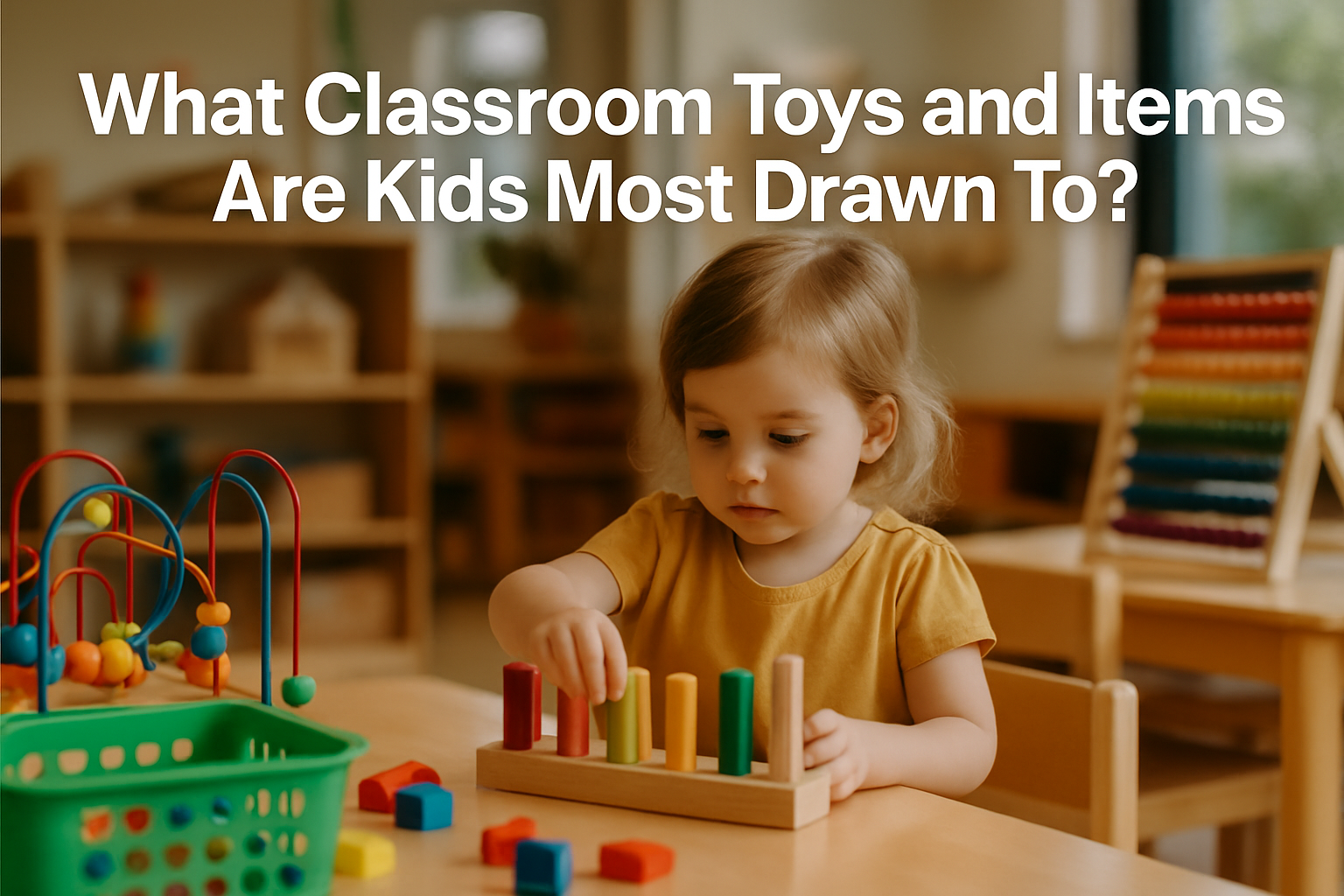

Popular Classroom Items and Toys The engagement that children exhibit with c...
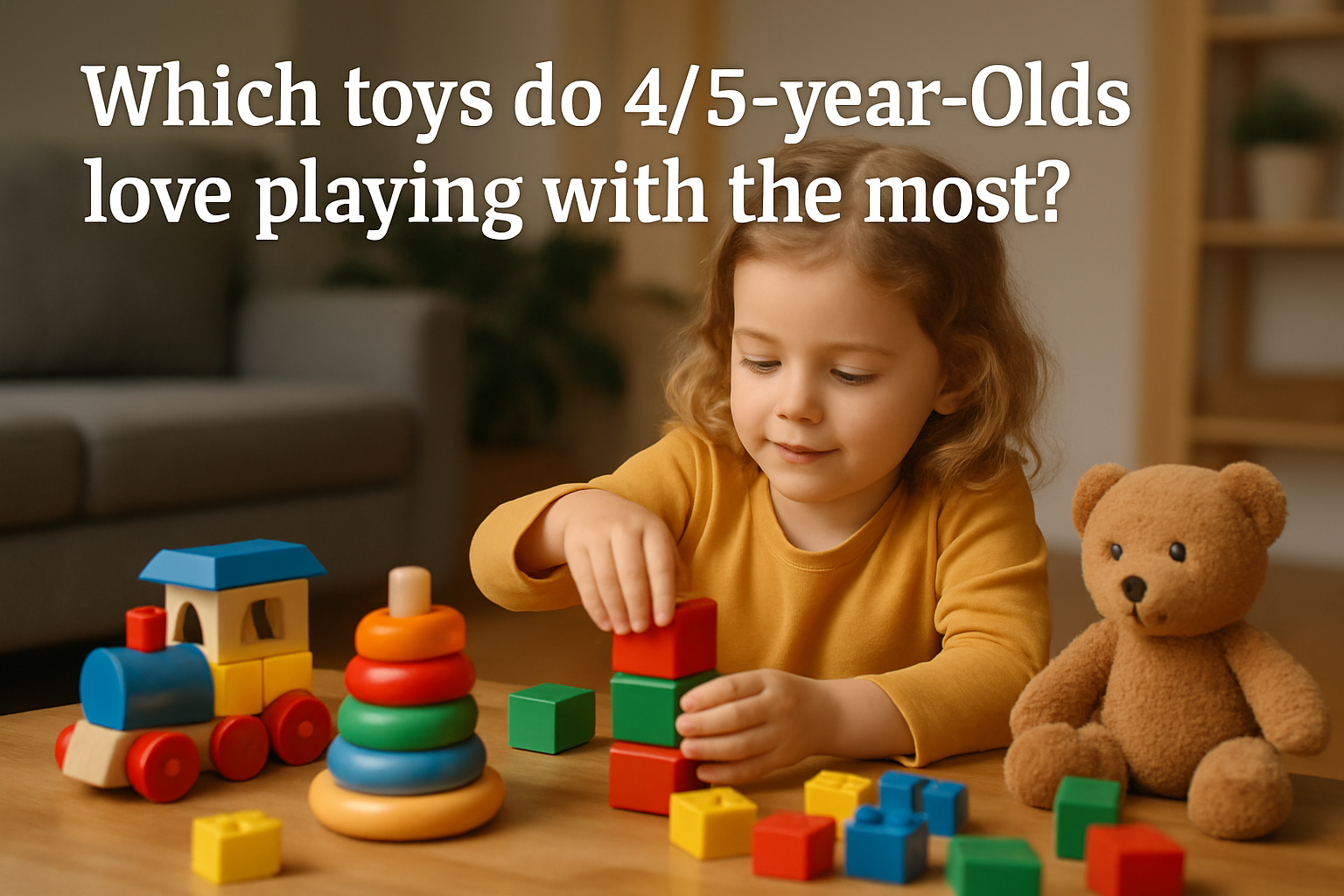

Popular Classroom Items and Toys The engagement that children exhibit with c...