Which Toys Do 4-Year-Olds Play With the Most?
The Importance of Screen-Free PlayScreen-free play holds immense significance...

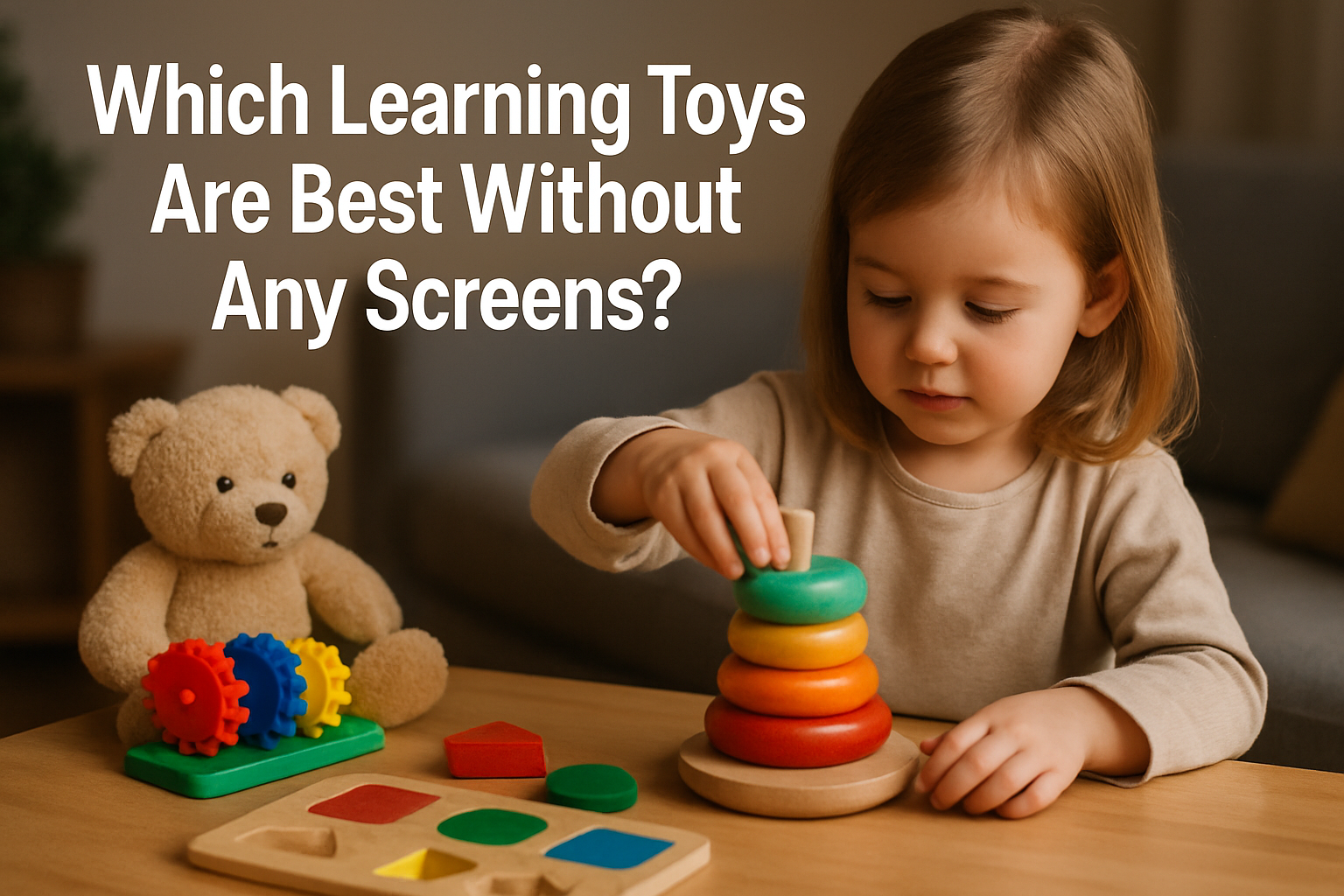

Screen-free play holds immense significance for toddlers and preschoolers, as it fosters essential growth and development in various domains. During their formative years, children are naturally inclined to explore and learn about their surroundings. Engaging them in screen-free activities allows them to use their imagination, develop social skills, and enhance their cognitive abilities. Unlike time spent in front of screens, which often leads to passive engagement, screen-free play encourages active exploration, fostering curiosity and original thinking.
One of the most significant benefits of screen-free play is the promotion of creativity. Toys that require hands-on interaction, such as building blocks, arts and crafts supplies, or pretend play sets, allow children to express themselves in limitless ways. This type of play encourages story-building, role-playing, and experimentation, which are crucial for developing problem-solving skills. For instance, when children build with blocks, they learn about balance and structure through trial and error. Such unstructured play promotes independent thinking and helps children cultivate their unique ideas without predefined outcomes.
Additionally, engaging in screen-free play enhances fine motor skills, which are vital for everyday tasks as children grow. Activities that involve manipulating objects—such as stacking blocks or using scissors for crafting—strengthen hand-eye coordination and dexterity. These skills are foundational in areas like writing and self-care. Beyond physical development, screen-free play also nurtures emotional and social well-being. Participating in cooperative play with peers enables children to practice sharing, negotiation, and empathy, leading to emotional regulation and healthier social interactions in the future. Overall, screen-free play is integral to supporting children’s holistic development, allowing them to navigate their world confidently and creatively.
Traveling with toddlers can be a daunting task, especially when trying to keep them entertained without screens. Montessori-inspired toys that promote imaginative play are an excellent solution, as they are designed to engage toddlers in meaningful ways. These toys often encourage creativity and critical thinking, making them ideal companions for travel. Lightweight and easy to pack, these toys can be used anywhere—whether in a car, at a hotel, or while waiting for a flight.
One of the popular choices among parents is lightweight, mess-free play mats, which can double as a safe play area for infants and toddlers alike. These mats provide a boundary for play and are typically made of soft, durable materials that are easy to clean. The rolling nature of these mats allows them to be stowed away easily, making them a practical option when space is limited. As children play on these mats, they engage in activities that enhance their fine motor skills, including stacking blocks and manipulating small figures.
The beauty of travel-friendly toys lies in their versatility. They not only keep children occupied but also foster independent play and self-directed learning. Whether it's through building, sorting, or imaginative scenarios, these toys allow toddlers to explore the world around them while cultivating various developmental skills. Parents appreciate how these screen-free options contribute to a healthy balance during family travels.
Sensory toys play a vital role in stimulating cognitive development and supporting motor skills for toddlers. These toys provide different textures, sounds, and colors that engage various senses, fostering exploration and discovery. For example, inflatable balls are a fantastic option for developing gross motor skills as toddlers kick, throw, and roll with them. The soft design of these balls makes them safe for indoor and outdoor use, promoting active play wherever children may be.
Versatile play mats also contribute significantly to sensory development. Many of these mats come with varied surfaces, incorporating textures that encourage tactile exploration. Children can crawl, scoot, and play with various toys on these mats, allowing them to experiment with movement and coordination. This kind of unstructured play is essential for toddlers as they learn to control their bodies in space and understand their environment better.
In addition to being fun, eco-friendly construction toys are gaining popularity among parents looking for sustainable options. These construction sets promote creativity while teaching children basic engineering principles. By stacking, building, and manipulating these toys, toddlers enhance their problem-solving abilities and fine motor skills. Sensory and developmental toys collectively combine play with learning, making them an essential part of screen-free playtime.
When it comes to selecting the best screen-free toys, parents often share insights from their own experiences. One of the most favored options includes open-ended building toys, which empower children to create anything their imagination desires. This type of play not only fosters creativity but also encourages critical thinking as toddlers learn to navigate challenges while building. The fact that there are no strict rules or instructions allows children to explore freely, enhancing their confidence and independence.
Imaginative playsets also frequently come up in discussions among parents. These playsets typically allow children to role-play various scenarios—be it cooking in a pretend kitchen or taking care of stuffed animals as if they were their babies. Such activities help toddlers make sense of the world around them while developing essential social skills like sharing and cooperation. Engaging in dramatic play allows children to express their thoughts and feelings, making it a vital component of their emotional development.
Finally, parents appreciate non-mess art materials that offer creative outlets without the aftermath of traditional arts and crafts. These materials encourage toddlers to engage in artistic expression, fostering both creativity and fine motor skills. By valuing these types of toys that promote learning and imagination, parents are reinforcing the importance of screen-free play in their children’s lives. As a result, these toys contribute significantly to the development of well-rounded toddlers.
Engaging toys are essential for preschoolers as they provide a means for hands-on learning, making education enjoyable. One prime example is wooden puzzles, which significantly enhance a child's hand-eye coordination and color recognition skills. These puzzles come in various shapes and designs, enabling children to engage in activities that challenge their problem-solving abilities while simultaneously developing their fine motor skills. The tactile experience of manipulating wooden pieces fosters a deeper connection to learning, allowing preschoolers to explore shapes, colors, and patterns. By using their hands to fit pieces together, children not only learn but also experience the satisfaction of accomplishment.
Another category of engaging educational toys includes role-playing toys that encourage imagination and social interaction. These types of toys allow children to step into different roles and scenarios, facilitating creativity and empathy. For instance, pretend playsets, such as those that simulate kitchens or grocery stores, allow for imaginative scenarios where children can mimic adult behaviors and learn about social constructs like sharing and cooperation. This type of play helps children to explore their feelings and express them in a safe environment, fostering both emotional intelligence and social skills.
The combination of these engaging educational toys allows for self-directed play, promoting both individuality and group interaction. As preschoolers engage with puzzles and role-playing games, they also develop essential cognitive skills. These activities transform ordinary playtime into rich learning experiences, highlighting the importance of engaging toys in early childhood education.
When selecting beneficial educational toys for preschoolers, it's crucial to consider their characteristics that foster child development. One significant trait is the ability to promote open-ended play. Toys that stimulate imagination and creativity allow children to explore various possibilities without fixed outcomes. For example, building blocks are a fantastic educational tool because they can be arranged and rearranged into countless structures. This promotes not only creativity but also critical thinking, as children must decide how to design their creations based on space and balance.
Additionally, beneficial educational toys encourage physical interaction, which is vital for fine motor skill development. Toys that require children to grasp, manipulate, and assemble not only enhance hand strength but also improve coordination. Activities like threading beads or stacking rings require precision and control. Such physical interactions support the development of essential skills that preschoolers will utilize throughout their lives, from writing to participating in sports.
Moreover, the characteristics of these toys promote independent exploration. When children can engage with toys that do not dictate a single method of play, they are more likely to experiment and learn at their own pace. This independence fosters self-confidence and resilience, essential traits that will aid them in future endeavors. Ultimately, the characteristics of beneficial educational toys extend beyond mere fun; they are foundational elements that support a child's holistic development.
Unstructured play is essential for the cognitive growth of children. Non-screen toys provide opportunities for kids to engage in imaginative scenarios, which in turn enhances their problem-solving skills. Through hands-on activities, children learn to think critically and explore their creativity. They encounter challenges and develop strategies to overcome them, fostering a sense of independence and decision-making abilities. This type of play is not just about entertainment; it lays the groundwork for important cognitive processes such as reasoning, planning, and logical thinking.
Moreover, the effects of screen time on emotional regulation cannot be understated. When children spend excessive time in front of screens, they might struggle with social competence, as they miss crucial opportunities for face-to-face interactions. Non-screen toys allow children to interact with peers and adults in a natural setting, helping them to recognize and respond to emotional cues. By engaging in cooperative play, children learn empathy and develop their emotional intelligence, key factors in building healthy relationships.
In addition, the limitations of screen-based activities can lead to difficulty in managing emotions. Non-screen play experiences foster resilience by presenting kids with situations where they must navigate their feelings, such as frustration or disappointment during play. Thus, providing children with non-screen alternatives cultivates a well-rounded development, equipping them with the social and emotional tools they need as they grow.
Engaging with non-digital toys promotes creativity and imaginative play in profound ways. Unlike screen-based activities, which often provide a set narrative or predetermined outcomes, non-screen toys encourage children to invent their own stories and characters. This freedom not only stimulates their imagination but also promotes a myriad of cognitive benefits, including enhanced memory recall and creativity. When children engage in pretend play, they blend reality with fantasy, which is a fundamental part of cognitive development.
Furthermore, screen-free play enhances language development and emotional connections among children and caregivers. When playing with physical toys, children often engage in conversations that involve negotiation, emotion-sharing, and storytelling. This type of verbal interaction greatly expands their vocabulary and language skills. Through shared play experiences, strong emotional bonds are also established between children and their caregivers, fostering a secure attachment that can lead to better adjustment and emotional understanding.
Finally, the physical interactions involved in non-screen play enhance fine motor skills and hand-eye coordination. Manipulating toys, building structures, or even engaging in art activities enhances dexterity and spatial awareness. These physical components are integral to overall development and contribute to academic readiness in areas like math and science, as emerging skills are often grounded in hands-on experiences and exploration. As children dive into the world of non-screen play, they unlock a spectrum of cognitive, emotional, and physical benefits that screen-based options simply cannot replicate.
Interactive learning toys significantly enhance a child's developmental experience, blending fun with education in a way that resonates with their natural curiosity. Games that foster logical reasoning and strategy skills are vital, as they challenge young minds to think critically. Puzzles and card games fall under this category, encouraging children to solve problems and devise strategies while competing or collaborating with peers. These types of games not only sharpen cognitive skills but also instill a sense of resilience when children face challenges and learn to overcome them.
Additionally, building toys are essential for developing spatial awareness and creativity. They empower kids to engage in 3D construction, allowing them to visualize concepts and turn imagination into tangible structures. Collaborative play is an added benefit of these toys, where children can work together to construct models, improving their social skills and teamwork abilities. Such hands-on experiences are significant in helping children understand intricate concepts, as they can manipulate materials and see the outcomes of their efforts directly.
Lastly, hands-on learning toys also include science kits and exploration sets that encourage experimentation and discovery. These toys provide children with opportunities to explore scientific principles in a practical manner, turning abstract concepts into real-world applications. By fostering curiosity about the world around them, these toys equip children with the foundational skills necessary for future learning in science and technology, making them a worthwhile investment in a child's developmental journey.
Interactive play is essential for children's development in several domains, including creativity, critical thinking, and socialization. Engaging with toys that require active participation stimulates imaginative play, where children can explore different roles, scenarios, and problem-solving approaches. This form of play encourages open-ended thinking, allowing children to experiment with various outcomes and nurture their creative impulses. Such experiences are beneficial as they help children learn to express themselves, work through their ideas, and develop a sense of autonomy.
Moreover, hands-on learning activities improve critical thinking by placing children in situations where they must analyze, evaluate, and make decisions. Engaging with complex challenges encourages them to think critically about the choices they make and the consequences of those choices. This reflective approach to learning is a vital skill that extends beyond playtime, as it equips children to tackle real-life problems and make informed decisions throughout their lives.
When it comes to accessibility, there's a vast range of interactive toys that cater to various age groups and developmental stages. These toys ensure that every child, regardless of their age or skill level, has access to meaningful learning experiences that support their growth. Toys designed for younger children often emphasize sensory exploration and motor skills, while those for older kids focus on abstract thinking and sophisticated problem-solving. By offering age-appropriate options, caregivers can ensure that children receive consistent support for their development, both at home and in educational settings.
Effective learning toys play a vital role in a child’s development, engaging them in meaningful and stimulating ways. One essential characteristic of these toys is their open-ended nature. Toys that allow for exploration without strict guidelines encourage creativity and independent thinking. For instance, when children are given building blocks, they can construct structures limited only by their imagination. This type of play helps to nurture cognitive skills, problem-solving abilities, and even fosters spatial awareness. Open-ended toys empower children to experiment freely, which is fundamental in developing critical thinking skills and confidence.
Accessibility and the fun factor are also paramount when it comes to sustaining engagement with learning toys. Toys should be easy to handle, allowing children to manipulate them comfortably. Fun is an equally important element; if a toy intrigues and excites a child, it will hold their attention for a longer period. Incorporating elements like vibrant colors, varied textures, and interesting shapes can enhance engagement. When children enjoy what they are playing with, they are more likely to interact with the toy, thus facilitating learning in a natural and enjoyable manner. It's essential to choose toys that strike the right balance between accessibility and entertainment, as this balance keeps children captivated and motivated to learn.
Moving beyond general characteristics, specific types of toys can bolster various developmental skills. Building sets and creative supplies are great examples, especially as they support fine motor skills. As children manipulate pieces to construct their creations, they enhance dexterity and coordination. This tactile engagement not only reinforces physical skills but also provides an avenue for cognitive development as they plan and execute their designs. Moreover, the process of creating something from scratch can instill a sense of accomplishment and pride in children, bolstering their self-esteem.
Pretend play items also play a significant role in a child’s development. Toys that encourage role-playing promote social interaction, allowing children to mimic real-life scenarios and engage in cooperative play. This form of interaction is crucial for language skills development as children articulate their thoughts and ideas while participating in shared narratives. Through pretend play, they learn to express emotions and understand social dynamics, which is essential for emotional intelligence. Items like costumes or play kitchens allow for imaginative exploration while fostering collaborative play, helping children develop essential social and communication skills.
In essence, effective learning toys engage children in a multi-faceted manner, nurturing various developmental skills. By prioritizing open-ended designs and ensuring accessibility, alongside considering specific toy types that enhance fine motor and social skills, caregivers can create a rich and encouraging learning environment. This approach fosters creativity and a love for learning, setting the foundation for future growth and development.
Creative play is essential for childhood development, offering opportunities for imagination and camaraderie without the presence of screens. By engaging children in activities that stimulate their creativity, parents can help develop critical skills while ensuring fun and interactive playtime. Playtime involving non-screen toys not only fosters creativity but also enhances social skills, helping children learn to work together and communicate effectively.
Building blocks and construction sets stand out as exemplary toys that promote both spatial reasoning and collaboration among young minds. These toys allow children to experiment with design and engineering concepts, enhancing their ability to visualize and manipulate objects in three-dimensional space. As they build towers, bridges, and other structures, children learn to strategize, plan, and troubleshoot, which are critical skills they will carry into adulthood. Moreover, when children team up to build together, they learn to share ideas, negotiate roles, and support one another, deepening their social bonds.
In addition to construction sets, realistic plush toys and action figures can play a significant role in fostering storytelling and empathy. These toys often serve as characters in a child’s imaginative scenarios, enabling them to create narratives and engage in dramatic play. When children take on the roles of different characters, whether it's a heroic figure saving the day or a beloved animated friend on an adventure, they immerse themselves in the emotions and experiences of their characters. This type of role-play not only nurtures creativity but also allows children to explore empathy, understanding varying perspectives and feelings. The act of storytelling feeds their imagination, helping shape their understanding of the world and their place within it.
Transitioning from imaginative solitary play to interactive experiences, choosing toys that support group work and cooperation enhances the social aspects of play. Toys that can be used in collaborative projects—whether building a large structure together or using action figures to stage intricate plays—provide children with opportunities to learn teamwork. This teamwork is essential for building relationships, learning conflict resolution, and practicing communication skills.
Outdoor play items can significantly facilitate exploration and group play, making them vital for children's development. Items such as climbing structures, swing sets, or even simple balls encourage children to engage in active play, increasing physical fitness while simultaneously stimulating their curiosity about the world around them. Outdoor environments offer endless opportunities for exploration, whether it’s through imaginative games, nature scavenger hunts, or competitive team sports. The fresh air and varied terrains can awaken creativity, making every outing a new adventure filled with discovery and learning.
Furthermore, the allure of DIY toys made from recycled materials presents an exciting avenue for creativity and sustainability. Children can transform everyday items—such as cardboard boxes, plastic bottles, or old fabrics—into imaginative creations. This not only encourages inventive thinking and problem-solving skills but also highlights the importance of recycling and conscious consumption. Through crafting, children can engage in hands-on learning, experimenting with design and functionality, while also valuing the environment. Such creative projects foster a sense of accomplishment and self-expression, giving children the satisfaction of turning their ideas into tangible results.
Encouraging children to partake in both outdoor play and creative DIY projects equips them with the necessary tools for holistic development. Whether they are building a fort in the backyard or constructing a robot out of household recyclables, the focus remains on imaginative engagement. These forms of play underscore the notion that significant developmental growth occurs not just through structured learning, but also through creative exploration and play, forming a well-rounded foundation for lifelong learning.
Non-digital toys have an essential role in childhood development. Unlike their digital counterparts, these toys offer unique opportunities for imaginative play, allowing children to explore their creativity in ways that screens cannot replicate. For example, a simple set of building blocks or a dollhouse enables children to invent stories and scenarios, fostering narrative skills and imaginative thinking. These toys often encourage children to step away from the reliance on technology, leading to richer narrative experiences that can enhance their understanding of the world around them.
In addition to fostering imagination, non-digital toys provide significant benefits in developing fine motor skills and facilitating social interaction. Toys that require manipulation, such as puzzles or arts and crafts materials, help improve dexterity and coordination. As children engage with these toys, they practice skills such as grasping, shaping, and fitting pieces together, which are crucial for their physical development. Moreover, collaborative play with non-digital toys encourages verbal communication and teamwork. When children build, create, or engage in role-play together, they learn to express their thoughts and feelings, negotiate roles, and cooperate towards shared goals.
Understanding the developmental benefits of non-digital toys highlights their value in a child's formative years. As families navigate the extensive range of toys available, recognizing that non-digital options can provide meaningful learning experiences is vital. Children benefit from imaginative scenarios, enhanced motor skills, and the essential socialization that arises from playing with others. By encouraging a balance between digital exposure and traditional play, parents and caregivers can support holistic development in children, ensuring they grow into well-rounded individuals prepared for the complexities of life.
Choosing the right educational toys for children is essential for their development and growth. One of the foremost considerations for parents is the age-appropriateness of the toys. Understanding developmental stages helps in selecting toys that not only entertain but also facilitate learning. For instance, infants and toddlers are at a stage where they explore the world through their senses. Toys that are safe, with no small parts, and made from non-toxic materials are paramount during this phase. As children grow, their cognitive and motor skills develop, which allows for more complex toys that encourage problem-solving skills and imaginative play.
When selecting toys, parents should be mindful of the safety features to protect their children. It’s crucial to avoid toys that may pose choking hazards or have sharp edges. Yet, safety is not the only consideration. Parents should seek a balance between fun and educational value. A toy can be engaging while also enhancing skills such as hand-eye coordination, language development, or social skills. For example, toys that require cooperation, like building blocks that can be shared, promote teamwork and social interaction. This balance ensures that children are not only entertained but also developing essential skills during playtime.
Furthermore, understanding the educational value of a toy can significantly guide parents in their selection process. Toys designed to stimulate creativity and critical thinking are invaluable. For instance, puzzles can develop spatial skills and concentration. Similarly, art supplies can foster creativity and self-expression. Parents should also consider how a toy can grow with their child; versatile toys that can be played with in different ways can provide value over time. Ultimately, selecting educational toys involves a thoughtful mix of safety, developmental appropriateness, and potential for learning, ensuring that children gain as much as possible from their play experiences.

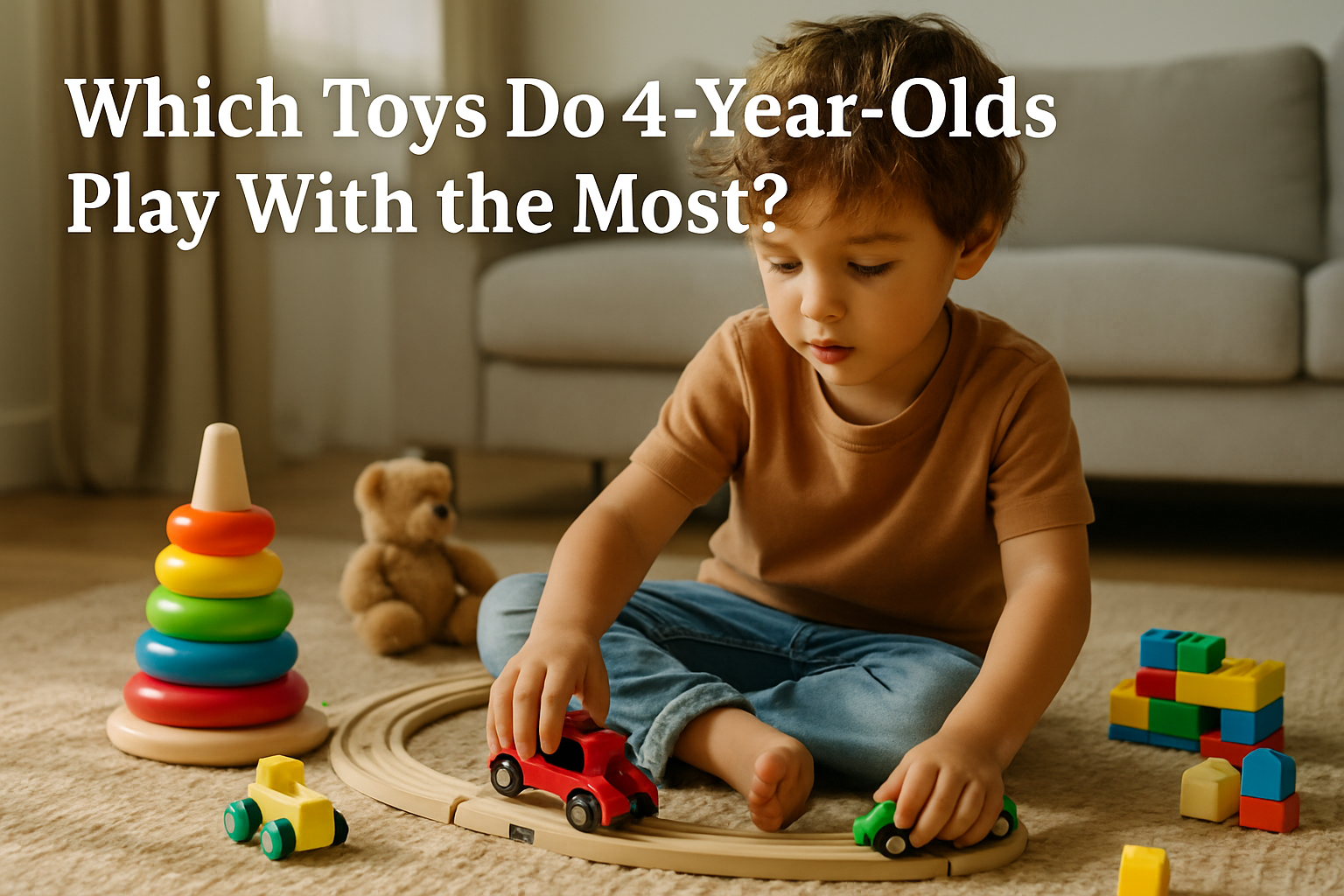

The Importance of Screen-Free PlayScreen-free play holds immense significance...
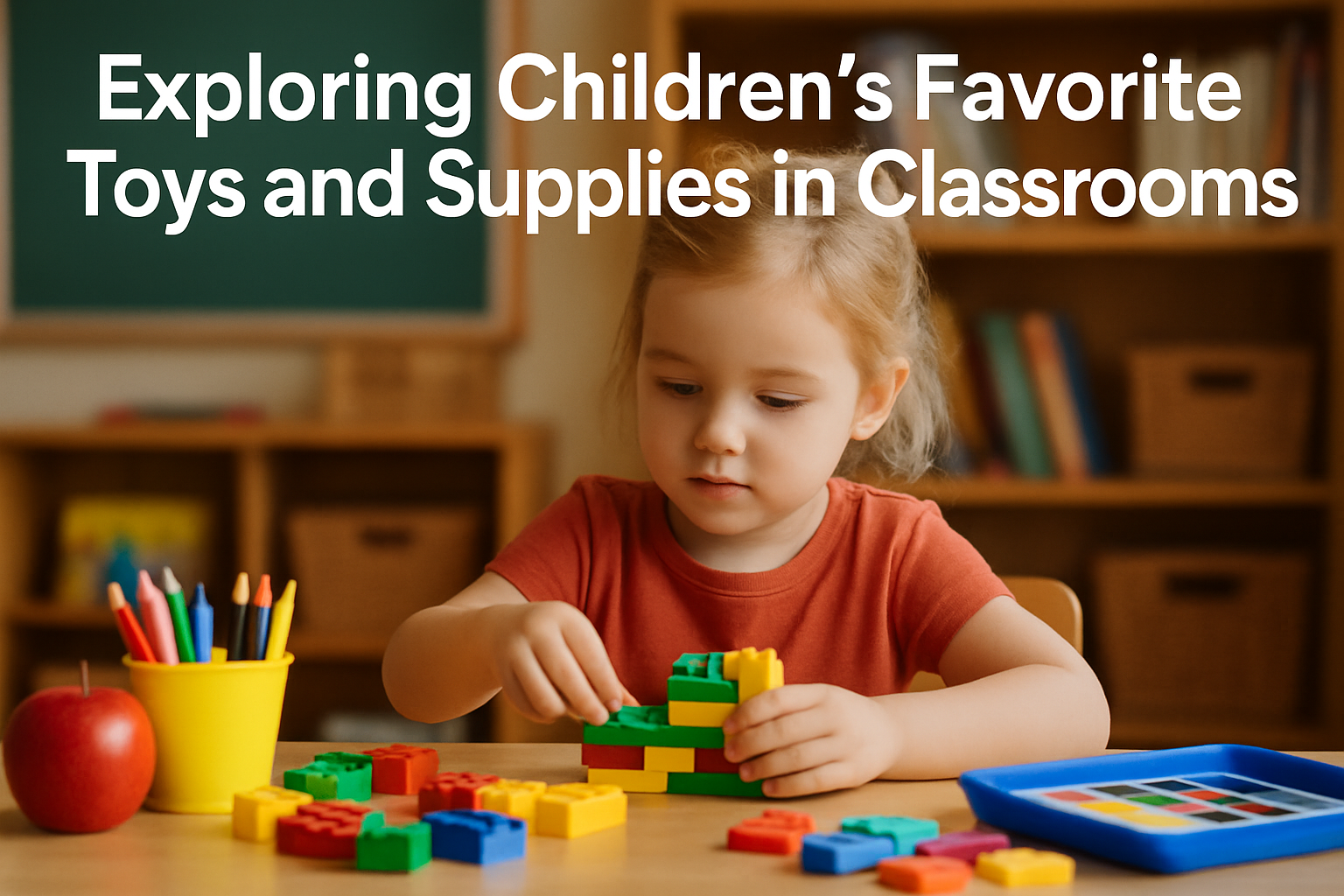

The Importance of Screen-Free PlayScreen-free play holds immense significance...