25 Coolest Gifts for Grandchildren in 2026
IntroductionPlay is not just an adorable aspect of childhood; it's a fundamen...

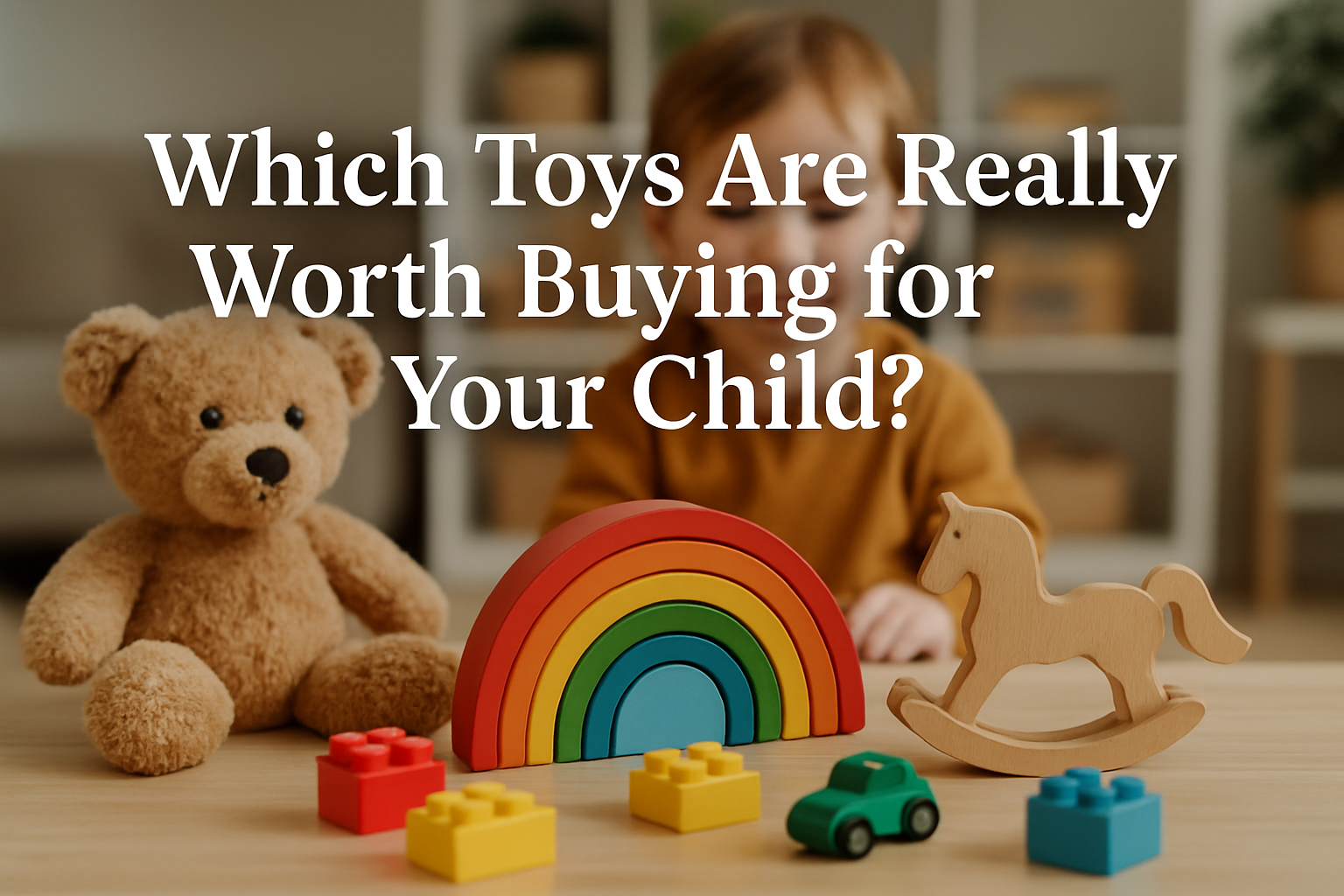

Play is not just an adorable aspect of childhood; it's a fundamental component of child development that nourishes young minds. As kids engage in imaginative play and hands-on interaction with toys, they cultivate critical cognitive, emotional, and social skills. Whether it's through building structures, role-playing, or solving puzzles, play facilitates exploration and discovery, which are essential for a child's growth and understanding of the world around them. Thus, selecting the right toys—those that are not only fun but also educational—can significantly influence a child's developmental trajectory.
When choosing toys, parents should focus on criteria that highlight quality over quantity. Quality toys are those that promote learning and skills such as problem-solving, creativity, and social interaction. Look for toys that encourage children to explore their interests and let their imaginations roam free. Additionally, smaller, well-curated collections can, surprisingly, foster more engagement than a cluttered array of toys. By managing toy collections to include a mix of open-ended and educational options, parents can create environments that are both stimulating and conducive to meaningful play experiences.
Furthermore, it's essential to consider the long-term engagement potential of toys. While flashy trends may catch a child's eye momentarily, toys that inspire creativity and adaptability are far more valuable. Encouraging ongoing imaginative play not only maintains a child's interest but also aids in their cognitive and social development. In summary, an assortment of thoughtfully chosen toys should focus on promoting exploration and creativity while aligning with developmental needs and fostering a lifelong love of play.
Toys are more than just playthings; they are essential tools that significantly influence a child's imagination and development. As children interact with various toys, they explore a range of possibilities, engage in creative play, and develop critical life skills. This engagement fosters a rich environment where children envision new worlds and roles, leading to enhanced imaginative capabilities. By mimicking real-life scenarios through play, children can experiment with different aspects of life, such as community, family, and problem-solving. Thus, toys serve as a foundational element in cultivating creativity and imaginative thinking in young minds.
In addition to stimulating creativity, educational toys are particularly impactful in supporting cognitive and physical development. These toys often combine fun with learning, allowing children to grasp complex concepts through hands-on experience. For instance, toys that require building or assembling promote fine motor skills and hand-eye coordination. Similarly, puzzles and games teach children about shapes, colors, numbers, and patterns, enhancing their cognitive abilities in a playful manner. The interactivity of educational toys encourages exploration and experimentation, which are vital for healthy brain development during formative years.
Moreover, the influence of educational toys extends beyond the immediate benefits of skill acquisition. They also shape children's emotional responses and social interactions. By engaging with others through cooperative play, children develop essential social skills such as communication, negotiation, and teamwork. This collaborative play fosters a sense of empathy and understanding, enabling children to navigate their relationships better. Overall, the role of educational toys goes beyond simple entertainment; they are instrumental in equipping children with the skills they need as they grow and learn. Educators and parents alike should recognize the importance of selecting toys that are not only enjoyable but also rich in educational value to ensure comprehensive development.
Educational toys are essential for children's development, particularly in their early years. One popular type of educational toy is a vibrant sorting set that encourages young minds to enhance their mathematical skills. This type of toy often features colorful bear shapes that children can sort and count, making learning fun and engaging. Designed for toddlers and preschoolers aged 2 to 5, this toy not only aids in numerical recognition but also introduces them to basic concepts like size differentiation and color recognition. These early interactions with numbers can lay a strong foundation for future academic success.
Another excellent choice for developing foundational math skills is a counting toy. Typically designed to entice preschoolers, these toys embody a playful approach to learning through engaging counting activities. Children can enjoy games while seamlessly practicing addition and subtraction, sparking their interest in math at a young age. This method of learning transforms the abstract concepts of numbers into tangible, relatable activities that can be easily grasped. Both parents and educators find these types of toys instrumental in fostering a positive attitude towards mathematics.
Additionally, tools such as shape stacking sets promote spatial awareness and problem-solving skills. These toys come in various forms, requiring children to fit shapes into corresponding slots, often leading to critical thinking as they discover how different pieces interact. The hands-on engagement with these toys helps sharpen fine motor skills while simultaneously encouraging cognitive development. Children learn to navigate challenges and develop their ability to focus, setting them up for success in both academic environments and everyday situations.
When it comes to exploring value toys for preschoolers, options that promote movement and action are often extremely effective. Toys such as cars and trucks invite active play and provide opportunities for children to engage in imaginative scenarios. As they push or pull these toys, children not only develop physical coordination but also discover the mechanics of movement, speed, and balance. This kind of play is essential for keeping young children physically active while stimulating their creative thinking.
Imaginative play is another vital category of toys that provides remarkable value for preschoolers. Dolls and stuffed animals fuel creativity, allowing children to enact various roles and scenarios. This type of play nurtures social skills as they navigate interactions with their ‘characters’ and even includes peer engagement when they play together. Engaging in role-play promotes empathy and emotional intelligence, vital components of a child's overall development. It gives them a safe space to explore feelings and relationships, an irreplaceable aspect of early childhood experiences.
Moreover, toys that replicate real-life scenes, like miniature kitchens or dollhouses, offer fantastic value as they foster scenario-based play. These kinds of toys immerse children in real-world experiences, encouraging them to experiment with different roles and situations. By enacting daily routines or family life, children build their understanding of the world around them, developing problem-solving skills and critical thinking in a fun and engaging manner. As they manipulate these toys, they not only express their creativity but also understand underlying social dynamics, which are crucial for holistic development.
Selecting the right toys for children involves understanding their developmental needs and the potential benefits of various types of play. Effective criteria for choosing toys should focus on how these items can promote exploration and problem-solving. Toys that encourage children to think critically and engage with their surroundings foster cognitive development. Look for toys that challenge children to solve puzzles, build structures, or engage in imaginative play. These activities not only help in developing problem-solving skills but also enhance creativity and resourcefulness.
Moreover, selecting toys designed for specific age ranges is essential. Age-appropriate toys ensure that children can interact with them according to their developmental stage, maximizing enjoyment and learning. Toys that are too advanced might frustrate children, while those that are too simplistic can lead to boredom. This alignment between toy complexity and a child’s capabilities supports a more fulfilling play experience, paving the way for skill acquisition in motor function, language, and social interaction.
In addition to considering developmental needs, the safety of materials and construction is paramount when selecting toys. Always check for non-toxic components, as children's health and safety should never be compromised. Toys made from safe materials and constructed with care reduce the risk of injury or illness. Engaging in active play is also important; therefore, it is beneficial to consider toys that promote engagement rather than passive activity. Such toys encourage children to move, explore, and use their imagination, contributing to both physical fitness and cognitive skills.
Active engagement through play not only captures children's attention but also helps them learn the importance of teamwork and sharing. When children interact with toys that require collaboration, they develop essential social skills and emotional intelligence. This active involvement creates more meaningful interactions, nurturing a love for play while promoting various learning outcomes. Therefore, when selecting toys, prioritize those that inspire movement and creativity while ensuring safety and developmental appropriateness.
Toys play a significant role in a child's growth and development. They are not merely sources of entertainment; they are essential tools that enhance various aspects of childhood learning. For instance, cognitive development is greatly influenced by the types of toys a child interacts with. Engaging with toys that stimulate curiosity can encourage children to think critically and creatively. Puzzles, building blocks, and manipulative toys allow children to experiment, understand cause and effect, and refine their problem-solving skills. By challenging their minds in these ways, children develop a sense of achievement and a deeper understanding of the world around them.
Moreover, toys that promote physical development are equally vital. Playtime often includes toys that encourage movement, which is essential for developing motor skills. Climbing structures, balance boards, and balls enable children to practice coordination, balance, and strength. These activities contribute to a child's overall health by fostering an active lifestyle. Engaging in physical play helps children develop not only their muscles but also their cardiovascular health. Through various forms of play, children learn how to navigate their environments, enhancing their agility and physical awareness.
Moving beyond cognitive and physical growth, toys also serve as a medium through which children cultivate social skills. Interactive toys can facilitate communication and teamwork, promoting essential life skills such as cooperation and empathy. For example, toys designed for role-playing or group games encourage children to express their thoughts and feelings while learning to listen to their peers. As they engage in cooperative play, they practice taking turns and following rules, both of which are fundamental components of developing relationships. These social interactions provide children with the opportunity to understand different viewpoints and foster emotional intelligence.
Group play—where several children come together to play—brings another layer of social learning. Toys that require collaboration not only engage children but also help them establish social connections. By working together, children learn to negotiate, share, and resolve conflicts in a controlled environment. This process aids their ability to work as part of a team, an essential skill in both academic and social settings. Through shared experiences with toys, children not only make friends but also enhance their ability to manage varying social dynamics, preparing them for future interactions in school and beyond.
Ultimately, toys are more than just playthings; they are invaluable resources that support children's cognitive, physical, and social development. The right selection of toys can make a profound difference in how children learn and grow, establishing a foundation for lifelong skills and well-being.
Organizing children's toys can feel overwhelming, but with effective storage strategies, it's possible to create a tidy and functional play environment. The first step towards achieving a neat space is to separate toys into distinct categories. Grouping toys by type—such as building blocks, dolls, or educational games—makes it easier for both children and parents to locate specific items when needed. This categorization also aids in maintaining an organized play area, as children will learn where each type of toy belongs.
Implementing a labeling system can significantly enhance the organization process. Using clearly labeled bins helps children understand where to put their toys as well as what to expect when seeking out their favorite items. Labels should be simple and easy to read, using larger font sizes or even pictures for younger children who may not yet read. This visual cue not only aids in the organization but also promotes a sense of responsibility in children, encouraging them to participate in cleanup routines.
To maximize the effectiveness of your storage strategies, consider the arrangement and accessibility of the storage bins. Lower shelves or bins placed on the ground level allow children to reach their toys independently, fostering a sense of autonomy. It’s also beneficial to rotate toys periodically. By doing so, certain toys can remain fresh and exciting, while others are put away temporarily, reducing the overall clutter and making cleanup easier. This proactive approach ensures children remain engaged without feeling overwhelmed by too many toys at once.
In summary, the combination of categorization, labeling, and thoughtful placement of storage solutions can create a more organized and enjoyable play space for children and their caregivers alike. Not only does this improved organization facilitate easier playtime and cleanup, but it also empowers children to take part in maintaining their environment.
Creating DIY toys is an excellent way to foster imagination and creativity in children. By using simple household materials, parents can engage their kids in enjoyable activities that not only entertain but also enhance their artistic and problem-solving skills. Crafting toys from readily available resources encourages a unique blend of fun and imagination, making it an enriching experience for both children and their caregivers.
One delightful idea is to make toy vehicles from egg cartons. This project is simple yet impactful, as children can help transform an ordinary item into something entirely new. By cutting the egg carton into segments and adding wheels made from bottle caps or buttons, kids can design their very own race cars. They can personalize their vehicles with colors and decorations, turning a basic concept into a vibrant creative endeavor. Not only does this promote hands-on skills, but it also stimulates the child's creativity, allowing them to invent stories and scenarios around their new toys.
Another fantastic DIY project involves creating pretend play food from recycled items. Children can utilize old cardboard, fabric scraps, and other household materials to craft items such as fruits, vegetables, or even treats. For instance, a ball of crumpled green paper can become a cabbage, while painted cardboard shapes can mimic slices of pizza or cakes. This kind of creative play is essential as it encourages imaginative role-playing, allowing children to explore new ideas and scenarios while developing their social skills as they 'share' and 'sell' their creations during playtime.
Moreover, DIY projects can become treasured family memories. Engaging in these activities together strengthens the bond between parents and children, providing an opportunity for communication and teamwork. As families work on these creative endeavors side by side, they are not just crafting toys; they are also creating lasting memories. The act of making something together fosters teamwork, patience, and the joy of shared success, which are valuable lessons for young minds. In summary, DIY toys made from household materials present a fantastic opportunity for creativity, imagination, and family bonding, turning everyday items into extraordinary playthings.
Toys play a significant role in childhood development, and selecting eco-friendly options can enhance this experience while nurturing a sustainable mindset from an early age. Eco-friendly toys are crafted from safe, natural materials that are not only better for children but also for the environment. The conscious choice to opt for toys made from wood, organic cotton, or other biodegradable materials minimizes the exposure to harmful chemicals often found in plastic toys. For instance, toys manufactured from sustainably sourced wood are durable and can withstand the rigors of play, providing children with a long-lasting and safe option. This selection not only ensures safety during play but also promotes a sense of connection to nature.
Moreover, the importance of sustainability in the production and selection of toys cannot be overstated. Sustainable practices in toy manufacturing typically involve responsible sourcing of materials, reduced energy consumption, and minimal waste generation. By supporting brands that prioritize eco-friendly practices, consumers can contribute to a movement that values the well-being of the planet. This conscious choice fosters environmental awareness in children, teaching them that the products they use can have broader implications for the earth. As children engage with these toys, they learn valuable lessons about conservation and the importance of making mindful decisions.
Choosing eco-friendly toys extends beyond the immediate benefits of health and safety. It also encompasses the ethical considerations surrounding toy production. Many eco-friendly toys are produced using fair labor practices, ensuring that the individuals involved in the manufacturing process are treated with respect and dignity. This holistic approach to toy selection reinforces the values of empathy and social responsibility in children. As consumers become more aware of the environmental and ethical dimensions of their purchases, the demand for responsible toy production grows, encouraging more companies to adopt sustainable practices. By prioritizing eco-friendly toys, families not only enhance their child’s playtime but also contribute to a sustainable future.
Investing in quality toys is an essential step in supporting child development. Unlike transient fads that come and go with every season, high-quality toys provide a more stable foundation for nurturing skills and creativity in children. These toys often emphasize educational value and functional design, allowing children to engage in active play that promotes cognitive and motor skills. As parents and caregivers seek to curate an enriching play environment, focusing on the long-term benefits of well-made toys rather than merely trendy options becomes vital.
Fostering a rich play environment is key to maximizing developmental benefits. A thoughtfully arranged play space encourages exploration, imagination, and social interaction. Access to a diverse range of toys that cater to different developmental stages allows children to navigate challenges at their own pace, building confidence and resilience. Such an environment rewards curiosity and supports emotional expression, which are essential elements of healthy child development. When children are engaged with enriching play experiences, they are more likely to develop essential life skills that extend beyond childhood.
Ultimately, the interplay between monetary investment and the emotional value of high-quality toys cannot be understated. While parents may initially hesitate at the financial commitment that quality toys require, the benefits often outweigh the costs. Investing thoughtfully in a child's playroom offers a lasting payoff through improved developmental outcomes. Emotional bonds forged during shared play experiences enrich family relationships and create treasured memories. By prioritizing quality over quantity, caregivers can provide children with tools that inspire creativity, encourage learning, and cultivate emotional intelligence throughout their formative years.



IntroductionPlay is not just an adorable aspect of childhood; it's a fundamen...
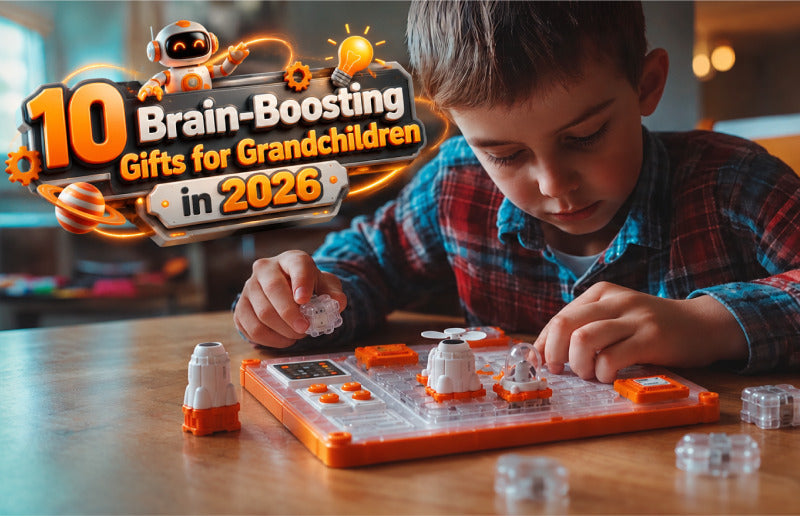

IntroductionPlay is not just an adorable aspect of childhood; it's a fundamen...