25 Coolest Gifts for Grandchildren in 2026
Engaging Toys That Encourage Self-Directed Play Wooden Blocks Wooden blocks...

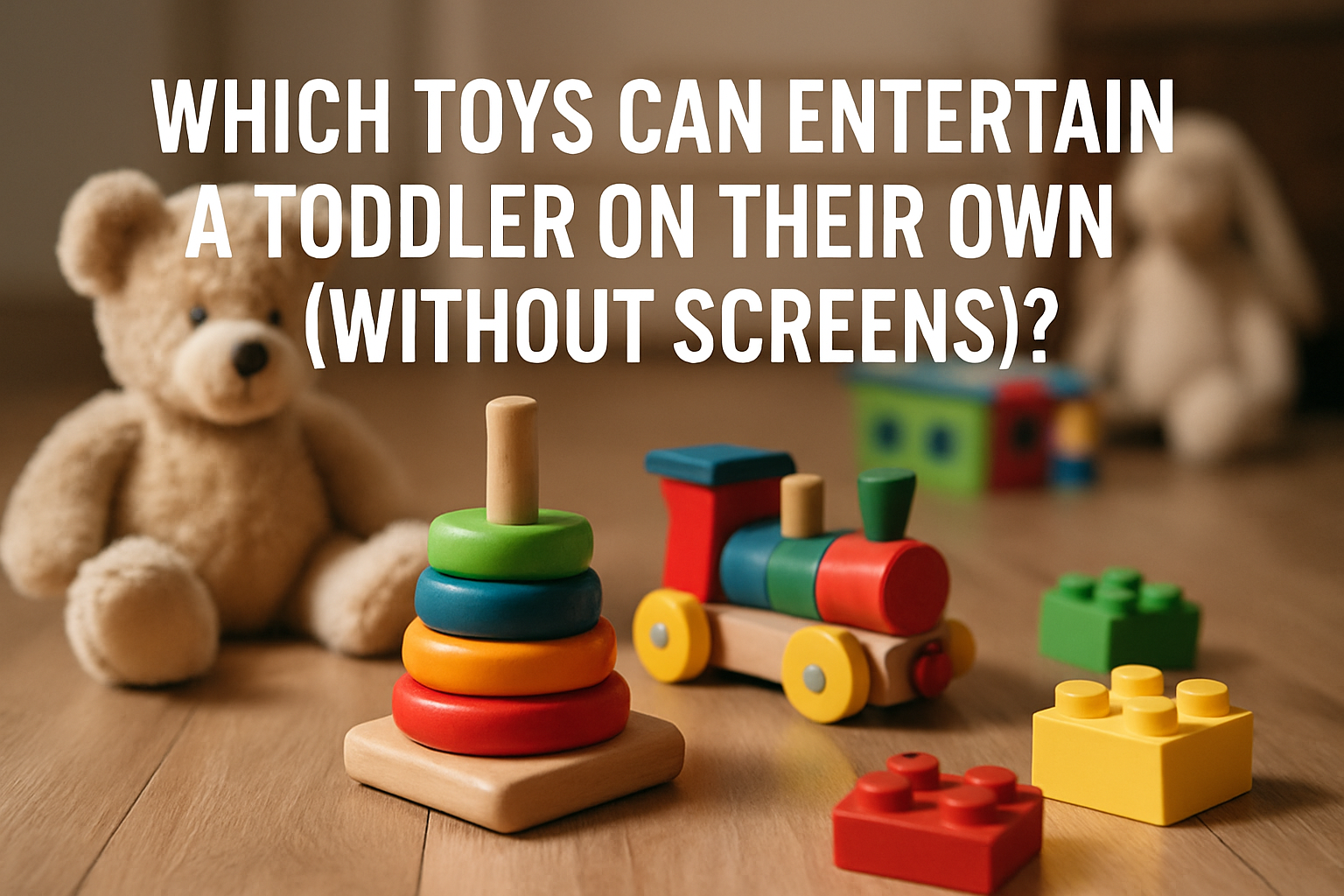

Wooden blocks stand as a classic choice for toddlers because they provide an open-ended approach to play. Unlike many contemporary toys, wooden blocks don’t come with stringent instructions, allowing toddlers to use their creativity freely. Children can explore balance, shapes, and construction concepts while combining different sizes and colors of blocks, promoting both cognitive and physical development.
When children engage with wooden blocks, they’re also encouraged to problem-solve. Whether they're figuring out how to balance the tallest tower or creating a structure that won't topple, toddlers learn through trial and error. This exploration fosters a sense of achievement and resilience as they discover what works and what doesn't in their playful adventures. The durability of wooden blocks ensures they will last through countless play sessions, making them a staple in many households.
Play kitchens and food sets are excellent for stimulating imaginative role-playing, allowing toddlers to mimic adult cooking and serving behavior. This type of play not only entertains children but also enhances their creativity as they invent cooking scenarios and serve meals to family members, whether real or imaginary. The act of role-playing helps children develop social skills and understand daily routines, as they enact various scenarios that mirror real life.
Furthermore, play kitchens provide a sensory-rich experience through different textures and colors. Children can explore the concepts of measuring, pouring, and mixing, thereby integrating playful learning into their activities. Such engagement not only keeps toddlers entertained for long periods but also plays a role in enhancing their emotional and cognitive skills.
Jigsaw puzzles are a wonderful tool for enhancing cognitive development and problem-solving skills in toddlers. Simple puzzles are perfect for young children, helping them build confidence as they learn to identify shapes and figure out where each piece fits. The satisfaction they feel upon completing a puzzle reinforces their perseverance and ability to focus on a task.
As toddlers progress, more complex puzzles can offer an increased challenge, encouraging them to think critically and develop spatial reasoning. Engaging in puzzle play also fosters attention to detail, as children need to examine pieces and visualize the completed picture. This form of play is not only enjoyable but instrumental in nurturing essential cognitive and fine motor skills.
Pretend play toys, such as dolls and action figures, encourage storytelling and imaginative scenarios among toddlers. These toys help children create narratives, fostering independent thought and creativity as they enact different roles and situations. Engaging with pretend play toys allows toddlers to express their feelings and experiences, contributing to emotional intelligence development.
Through this form of play, children can also learn empathy and social skills as they navigate interactions between their stories' characters. Whether they're hosting a tea party or embarking on a heroic adventure, the possibilities are endless. The richness of imaginative play supports cognitive development and gives toddlers an opportunity to learn about the world around them in an engaging way.
Sensory toys, such as kinetic sand and water play materials, are designed to provide sensory feedback, engaging toddlers both physically and mentally. These types of toys stimulate exploration of different textures, shapes, and movements, making playtime interactive and fun. The hands-on approach allowed by these toys fosters creativity, as toddlers experiment with molding and transforming the materials in their hands.
Additionally, sensory play can calm children and help them develop important skills, such as fine motor control. Playing with sensory materials also encourages children to express themselves creatively while learning to manage their emotions through touch and play. With varying types of sensory toys available, there are countless options to keep toddlers engaged independently.
Providing art supplies is essential for promoting self-expression and creativity in toddlers. Items like crayons, washable markers, and large paper allow children to explore colors and shapes at their own pace. Engaging in artistic activities fosters an environment where toddlers can freely express their thoughts and emotions, helping to build confidence in their creative abilities.
Art supplies also enhance fine motor skills as children grip crayons or paintbrushes. The process of drawing, coloring, and crafting keeps toddlers busy, often resulting in extended periods of focused play. By integrating art into their playtime, toddlers can develop their creativity and understanding of artistic concepts while providing a rich, engaging experience without screens.
In today's tech-driven world, the allure of screens is ever-present. However, engaging toddlers in screen-free activities yields numerous benefits that extend beyond mere entertainment. Screen-free play promotes social interactions, enhances creativity, and supports overall physical and mental development. By embracing a variety of activities free from electronic devices, caregivers can provide a more enriching environment that fosters healthy growth in young children.
One of the primary advantages of screen-free activities is their role in promoting developmental skills. Engaging in physical play, for instance, helps toddlers develop gross motor skills as they run, climb, and explore their surroundings. This type of play also boosts coordination and balance, which are essential for children as they grow. Furthermore, screen-free activities encourage imaginative play, allowing children to create their own narratives, think critically, and develop problem-solving skills. Through play with blocks or pretend scenarios, toddlers learn how to navigate social situations and communicate effectively with their peers.
In contrast, excessive screen time poses significant dangers. Research indicates that prolonged exposure to screens can hinder language development, leading to reduced vocabulary and impaired communication skills. Moreover, it can contribute to attention issues and hinder the ability to focus on tasks without digital stimulation. Additional concerns arise from passive screen consumption, where children engage with content rather than exploring their environment actively. Screen-free activities motivate toddlers to use their senses, discover the world around them, and engage meaningfully with their peers, thereby building the foundation for robust interpersonal skills and a well-rounded character.
In conclusion, while screens are an integral part of modern life, promoting screen-free activities for toddlers is essential for nurturing their development. These activities support physical, cognitive, and social growth, offering a multifaceted approach to learning. By encouraging play that prioritizes creativity, imagination, and interaction, caregivers can effectively mitigate the negative impacts of excessive screen time and help toddlers thrive in an enriched environment.
Engaging young children in creative screen-free activities can provide not only entertainment but also foster their cognitive and motor development. These activities can be set up quickly and require minimal materials, making them perfect for busy parents looking to stimulate their child's imagination and creativity.
One excellent activity is the Muffin Tin Sort, ideal for children aged 1 to 4 years. This simple yet effective setup requires only a muffin tin and small items, such as dry beans or colorful pom-poms. In just two minutes, parents can prepare this engaging sorting game. Children can practice their fine motor skills by picking up and placing items into the muffin tin’s individual compartments. This activity enhances their hand-eye coordination and introduces basic sorting concepts, such as colors and sizes, all while keeping them occupied in a fun and creative way.
Furthermore, the Muffin Tin Sort provides endless variation. Parents can rotate the small items to keep the activity fresh, introducing new colors or shapes. As children grow, the challenge can be adjusted based on their developmental stage, making it a great long-term engagement tool.
Another fantastic idea is creating Tape Roads on the Floor, perfect for kids aged 2 to 6 years. All it takes is five minutes and some painter's tape to set up a network of roads on the floor. Children can use toy cars or figures to navigate the roads, encouraging imaginative play. This activity not only promotes creativity as they design their routes, but it also develops spatial awareness and problem-solving skills.
As they play, kids can build their own unique cities, thinking about where landmarks such as schools, stores, or parks might be placed. The physical activity of moving around the taped roads helps burn off excess energy, making it a great indoor option for engaging active toddlers. Overall, Tape Roads create a dynamic play environment that encourages social interaction when children invite friends to join in on the fun.
For younger kids aged 1.5 to 5 years, setting up a Washing Station is an engaging way to introduce them to sensory play. This activity can be prepared in just three minutes using a bin of soapy water and a selection of wash-friendly toys. Children can wash their toys, learning about cleanliness while enjoying tactile experiences with water and bubbles.
The process of washing toys not only is entertaining but also encourages responsibility and care for their belongings. This activity allows for group play, where children can work together to clean and dry their items, promoting teamwork and collaboration. Additionally, the sensory experience of working with water is great for developing fine motor skills and exploring concepts of cause and effect, enhancing learning while having fun.
Encouraging artistic expression can be as simple as Window Drawing, which is suitable for children aged 2 and up. This activity involves using washable markers on glass surfaces and can be set up in a mere 30 seconds. Kids can create colorful designs, doodles, or even seasonal decorations that brighten up your home.
The act of drawing on windows combines creativity with a unique canvas, making it exciting for children. It allows them to experiment with colors and shapes, and their artwork can easily be wiped away for future creations. This ephemeral aspect adds an element of novelty to the activity, fostering a sense of freedom in their artistic endeavors. Notably, Window Drawing promotes fine motor development as they maneuver the markers, enhancing their grip and control.
Suiting all ages, Cardboard Box Creations require no setup time, making them a go-to option for spontaneous play. Children can transform cardboard boxes into nearly anything their imaginations can conjure—like a rocket ship, a house, or even a car. The open-ended nature of this activity encourages creative thinking and problem-solving as they decide how to enhance their creations with drawings, decorations, or other accessories.
Additionally, working with cardboard allows for the development of engineering skills as children figure out how to construct stable structures. This activity can also be a collaborative effort, promoting teamwork and communication skills among siblings or friends. Overall, Cardboard Box Creations provide a limitless scope for fun, creativity, and skill development, making it a cherished activity among children and parents alike.
Setting up a Dance Party is an exciting way for families to bond and engage in physical activity. Encouraging children to dance freely to music strengthens their rhythm, coordination, and confidence. It can be set up spontaneously with minimal preparation, allowing for immediate fun and interaction.
Dance parties also have a positive emotional impact. They create a joyous atmosphere where children feel free to express themselves through movement, enhancing their creativity and self-expression. Dancing as a group fosters social connections, making it an excellent choice for playdates or family gatherings.
Setting up a Water Play station provides children with an opportunity for sensory exploration, which is especially appealing on warmer days. This activity can be quickly set up with simple materials like cups, sponges, and containers for pouring and soaking. Kids can learn about volume and water dynamics while enjoying the tactile sensation of water.
Water play encourages exploration and invites cooperation as children share and work together to create playful experiments. This sensory experience is also beneficial for developing fine motor skills, as children practice pouring, squeezing, and transferring water. Overall, Water Play is an invigorating way to engage kids while promoting learning through play.
Independent play is essential for young children's development, especially for toddlers aged 1 to 2 years. This stage of life is characterized by a growing desire for autonomy and exploration. Encouraging independent play not only allows toddlers to experiment and learn at their own pace but also nurtures their ability to think creatively. Activities that involve imaginative play help them to develop critical cognitive skills, laying a solid foundation for their future learning.
When choosing toys for independent play, it’s important to select those that stimulate imagination and cognitive abilities. Toys that can be manipulated, such as building blocks or shape sorters, encourage toddlers to use their hands and minds simultaneously. Such interactions are vital as they promote problem-solving skills and spatial awareness. For instance, while stacking blocks, children learn about balance and gravity, gaining a sense of accomplishment as they see their creations take shape. Similarly, shape sorters not only enhance fine motor skills but also introduce the concept of shapes and colors, fostering cognitive development in a fun and engaging manner.
Moreover, materials that inspire storytelling or role-playing can be highly beneficial for toddlers. Soft figures or animal play sets allow them to venture into the world of pretend play, which is crucial at this stage in their growth. During these play sessions, toddlers learn to express themselves verbally and improve their language skills as they narrate stories or engage in dialogues with their toys. This type of interactive play enhances their creativity and promotes social skills, even in solitary play. The right developmental toys can significantly contribute to a child's overall growth, providing endless opportunities for learning through play.
Toys have the remarkable ability to captivate toddlers, offering them hours of independent play. This not only provides entertainment but also contributes to their development. Selecting toys that foster creativity, imagination, and skill-building can make a significant difference in a child's early years.
Building blocks and similar construction sets are exceptional tools for encouraging imaginative play and creativity. As toddlers stack, connect, and rearrange pieces, they explore spatial relationships and fine motor skills. This kind of play allows them to experiment with balance and structure, leading to a sense of accomplishment as they create their unique designs. The open-ended nature of these toys means that there are no right or wrong ways to play, making it easier for children to express their thoughts and ideas.
Additionally, as toddlers manipulate physical blocks, they learn cause and effect. For instance, if a block tower falls, they'll understand that the tower's height may have been too ambitious. This cycle of trial and error not only fosters problem-solving skills but also encourages resilience; they are likely to try again and rethink their approach. As they engage in this type of activity, toddlers build self-confidence, learning that persistence often leads to success.
Moreover, building blocks can also serve as a platform for collaborative play if shared with peers or siblings. This interaction boosts social skills, teaches sharing, and fosters teamwork as they work together to build their structures. Thus, through simple, enjoyable play, building blocks help toddlers develop crucial skills that will serve them well into their future.
Play-dough offers a versatile medium that allows toddlers to engage in endless creativity through molding and shaping. This tactile experience is not only fun but also beneficial for their sensory development. As they knead, roll, and sculpt, toddlers refine their fine motor skills, which are essential for tasks such as writing and using tools later in life. The malleability of play-dough stimulates their imagination, inviting them to create everything from simple shapes to complex scenes.
The process of creating with play-dough is inherently calming and can provide a soothing effect for toddlers. Engaging in such tactile play can help release pent-up energy and improve focus, creating a productive form of play. Furthermore, the act of sharing tools and collaborating with others fosters social interaction, enhancing communication and negotiation skills.
Play-dough also offers countless opportunities for imaginative scenarios. Whether pretending to bake a cake, sculpting animals, or creating entire worlds, the possibilities are infinite. Parents can encourage storytelling alongside play-dough activities, enhancing the narrative that unfolds during playtime. This connection between creativity and language development helps nurture a child's communication skills while they engage earnestly in their imaginative creations.
Art supplies, including crayons, washable markers, and coloring books, play a significant role in providing independent entertainment for toddlers. These items encourage self-expression as children explore colors, shapes, and lines. The act of drawing or coloring not only captivates their attention but also serves as an excellent outlet for creative expression. Children learn to represent their thoughts visually, leading to enhanced communication skills.
The variety of art supplies available means that toddlers can switch up their activities regularly. A blank page provides endless opportunities, allowing a child to embark on an adventure from their own imagination. As they explore different techniques, such as coloring within the lines or experimenting with shapes, they build both confidence and skill in their artistic abilities. This creative exploration is vital for cognitive development, enabling toddlers to learn about concepts such as symmetry and patterning without even realizing it.
Moreover, participating in art activities can significantly boost a toddler’s emotional development. As they create, children learn to express their feelings and ideas through their artwork. This emotional outlet can be particularly beneficial in helping them articulate their experiences, leading to improved emotional intelligence. The satisfaction that comes from completing an art project fosters a sense of accomplishment, boosting self-esteem and encouraging further exploration into the arts.
Storybooks are a treasure trove of entertainment that also enhance language skills through interactive reading. Introducing toddlers to a diverse range of stories not only captivates their attention but also fuels their imagination. As they listen to narratives, children can visualize characters and settings, stimulating cognitive processes that aid in comprehension and memory retention.
Reading time can be transformed into an interactive experience. Parents or caregivers can engage toddlers in discussion, asking them questions about the story and encouraging them to predict what might happen next. This dialogic reading approach enhances their listening skills and fosters critical thinking. It also builds a foundation for language skills by expanding vocabulary and introducing new concepts in context, making stories come alive.
Additionally, the routines of reading together create a rich bonding experience between caregivers and toddlers. This shared activity can instill a love for books from an early age, encouraging lifelong learning and literacy. By immersing toddlers in the world of books, caregivers set the stage for curiosity and exploration, allowing them to venture into new languages and cultures through stories.
Simple musical instruments provide toddlers with hours of fun while facilitating playful exploration of sounds and rhythm. Engaging with instruments like tambourines, maracas, or xylophones allows them to express themselves through music. The lively sounds produced invite toddlers to experiment, as they discover how different techniques produce varied tones and volumes.
Sound exploration enhances auditory skills, which are essential for language development. As toddlers learn to identify pitches and rhythms, they concurrently develop their ability to listen closely and differentiate between sounds. This experience becomes even richer when caregivers join in, leading to the creation of spontaneous music sessions that can enhance social interaction and joy.
Moreover, music and movement often go hand-in-hand. Toddlers may feel inspired to dance or move to the rhythm, promoting physical activity and coordination. Such holistic engagement not only entertains but also contributes to motor skills and cultural appreciation as they are exposed to different musical genres. By integrating music into their playtime, toddlers are not just having fun; they are nurturing complex skills that will support their overall development.
Toddlers thrive on independence, and the right toys can significantly support their need for exploration and fun without constant adult guidance. One such category of toys effectively nurtures this independence involves construction pieces that promote imaginative play. A fantastic option in this realm is a set of magnetic wooden blocks. These blocks provide toddlers with an opportunity for safe exploration. The magnetic feature allows them to effortlessly connect pieces, empowering them to construct and deconstruct shapes and structures freely. As children manipulate the blocks, they develop fine motor skills and hand-eye coordination. Moreover, the tactile experience of wooden blocks engages their senses, making playtime both delightful and educational.
In addition to construction toys, pretend play sets are an outstanding choice for toddlers. A miniature farm set, complete with tiny animals and barn replicas, facilitates imaginative scenarios that tap into children's natural curiosity about the world around them. As toddlers engage in role-playing with these figures, they practice essential social skills, such as cooperation and empathy. By recreating day-to-day activities they observe in real life, children can explore different roles and reinforce their understanding of family and community dynamics. The simplicity of these sets allows for hours of amusement, sparking creativity without requiring constant supervision.
Another popular option for enriching playtime is foam letters and numbers, which are particularly beneficial during bath time. These soft, buoyant pieces float on water, transforming bath time into an engaging learning environment. As toddlers grip, arrange, and play with these letters and numbers, they begin developing early literacy and numeracy skills. The bright colors and various shapes also captivate their attention, promoting a sense of curiosity and excitement about learning. Interactive play with foam letters and numbers encourages imaginative games and fosters comfort with basic educational concepts, all while parents enjoy a moment of respite during bath time.
By incorporating these types of toys into play routines, toddlers can explore their environment with greater independence. Each option supports developmental skills while captivating their interest, ensuring that playtime remains a safe and enriching experience.
Creating the perfect play environment is vital for fostering creativity and encouraging healthy development in children. First and foremost, ensure that the play area is safe and accessible. This means eliminating any potential hazards that could cause injury, such as sharp objects or toxic materials. A clean space devoid of clutter will not only help prevent accidents but will also make it easier for children to focus on their play, thereby enhancing their imaginative experiences.
In addition to safety, the setup should include a variety of engaging resources that stimulate a child’s imagination. This can involve setting up areas designated for different types of play, such as arts and crafts, construction, or outdoor activities. Providing different manipulatives like blocks, art supplies, and nature items encourages children to explore and engage with their environment in diverse ways. By creating distinct zones, children can transition smoothly from one type of play to another, fostering a holistic developmental experience.
Finally, flexibility in the design of the play area can also play a significant role. Children should be able to rearrange their surroundings or choose seating and play options based on their preferences. Such adaptability not only supports independent play but also promotes a sense of ownership over their space. This dynamic layout encourages children to express themselves freely and experiment with different forms of play, ultimately enhancing their confidence and social skills.
Encouraging independent play is key to nurturing a child's creativity and problem-solving abilities. One of the most effective strategies is to give children the freedom to choose their activities. Allowing them to select their own materials and themes fosters a greater sense of autonomy and sparks their interest. When children control their play experiences, they are more likely to engage deeply and explore ideas that resonate with them personally.
Furthermore, creating a rich environment filled with diverse resources inspires children to take initiative. When they see a variety of tools and opportunities, their imaginations are unleashed, prompting them to try new things. This independence not only supports cognitive development by allowing children to think critically and make decisions but also enhances social skills as they navigate interactions with peers during unsupervised play. The ability to work through challenges and conflicts independently also builds resilience and coping strategies.
Ultimately, it is essential for caregivers and educators to step back instead of directly intervening in children's play. While guidance is important, allowing kids to experience trial and error without constant oversight equips them with valuable life skills. It’s through overcoming challenges and making decisions on their own that children learn the true value of resilience and creativity. By providing both the space and the freedom to play independently, we cultivate a generation of thinkers, creators, and problem solvers.
Independent play is widely recognized as a vital component of early childhood development. Experts in early childhood education affirm that when toddlers engage in unstructured play by themselves, they foster essential skills that contribute significantly to their overall growth. This type of play allows children the freedom to explore their interests without the constraints of adult guidance or structured activities. Such independence plays a key role in promoting creativity, problem-solving skills, and emotional development, laying a strong foundation for future learning experiences.
Furthermore, independent play encourages toddlers to take initiative and build confidence. When left to their own devices, children learn to make decisions, which can lead to a sense of accomplishment. This self-directed learning process nurtures their ability to navigate challenges and develop resilience. For instance, when a child struggles to fit two blocks together and eventually succeeds, they experience a boost in self-esteem that reinforces their desire to tackle new challenges. This foundational confidence not only promotes an autonomous mindset but also teaches toddlers how to manage frustration and persist despite difficulties.
In addition to boosting self-confidence, independent play significantly enhances cognitive development. As toddlers engage in imaginative scenarios or problem-solve on their own, they are actively constructing knowledge and understanding of the world around them. Such experiences facilitate critical thinking, as children learn to evaluate situations and consider various solutions. Engaging alone in creative play also stimulates language development; as toddlers narrate their imaginative journeys, even in solitary settings, they refine their verbal skills. Overall, independent play provides a comprehensive learning platform that supports various facets of a toddler's developmental journey, proving indispensable in shaping competent, confident future learners.



Engaging Toys That Encourage Self-Directed Play Wooden Blocks Wooden blocks...

Engaging Toys That Encourage Self-Directed Play Wooden Blocks Wooden blocks...