25 Coolest Gifts for Grandchildren in 2026
Introduction to Toy Preferences Understanding the Role of Play in Early Chil...

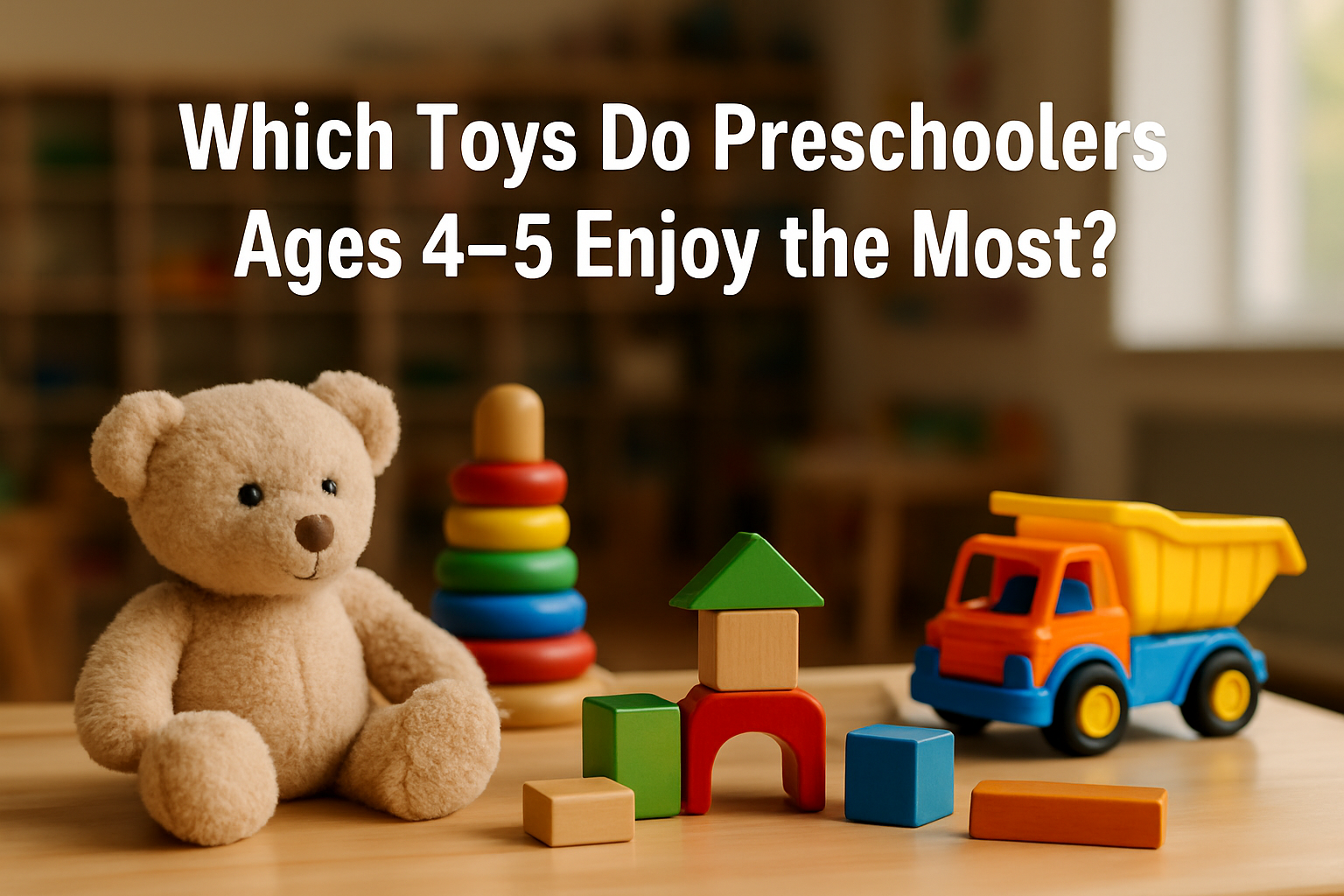

Play is fundamental to the growth and development of preschoolers aged 4 to 5. During this stage, children engage in play that significantly influences their social, cognitive, and emotional skills. It serves as a natural way for them to explore their environment, understand the world around them, and express their feelings. The developmental significance of play cannot be understated, as it fosters creativity, helps in problem-solving, and builds essential skills necessary for school readiness. Engaging in various types of play allows children to develop their abilities in a safe and enjoyable way while also laying the groundwork for future learning.
There are distinct types of play that contribute uniquely to a child's development: free play, guided play, and structured play. Free play allows children to explore their interests without constraints, offering them the freedom to create their own rules and environments. Guided play involves some adult interaction but still encourages children to lead their learning journey, thereby facilitating skill acquisition while promoting autonomy. Structured play, often facilitated by adults through specific activities or games, helps in teaching particular skills and concepts. Each of these play types utilizes toys effectively, transforming them into valuable tools for learning and growth.
Toys play a crucial role in facilitating various forms of play and supporting essential developmental milestones. For instance, manipulatable toys enhance fine motor skills, while role-playing sets help children navigate social interactions and develop empathy. In addition to fostering physical skills, educational toys promote cognitive abilities such as language development, critical thinking, and creativity. Overall, the interplay of play and complementary toys aids preschoolers' multidimensional development, preparing them not only for kindergarten but also for lifelong learning.
When it comes to selecting toys for preschoolers, several factors impact their popularity and relevance. First and foremost is safety. Parents and caregivers prioritize toys that adhere to safety standards, ensuring they are free from choking hazards and made from non-toxic materials. This consideration is vital, as young children are naturally inquisitive and tend to explore toys with their mouths. Therefore, parents seek toys that not only entertain but also guarantee their child's safety in play.
Additionally, age-appropriate engagement is essential. Toys that are tailored for the specific developmental stage of preschoolers can enhance their play experience and lead to greater satisfaction. Toys designed to be fun while also educational help maintain children's interest and attention. Interactivity and complexity of the toy often determine how well it attracts the engagement of a child. Toy popularity often hinges on a balance between fun and educational value, with children gravitating toward toys that stimulate their imagination and encourage exploration.
Creativity and problem-solving are crucial qualities that parents look for in toys, recognizing their capacity to foster cognitive development. Toys that inspire creativity, such as building sets or art supplies, allow children to express themselves, exercise their imagination, and experiment with new ideas. Similarly, toys that require problem-solving—like puzzles—help children develop critical thinking skills as they navigate challenges. Ultimately, a toy's ability to create engaging and educative play experiences plays a vital role in its popularity among preschoolers, making it an integral consideration for parents and caregivers alike.
In the realm of early childhood development, educational toys play a fundamental role in shaping a child’s cognitive abilities. At ages 4 to 5, children's brains are like sponges, soaking up knowledge and skills that will serve them throughout their lives. Trending types of educational toys are designed to stimulate learning through play. These toys often encompass various subjects, including basic math, reading, and critical thinking, laying a strong foundation for future academic pursuits. Engaging in activities that require problem-solving and logical reasoning helps enhance a preschooler's cognitive development, making educational toys indispensable.
The importance of STEM-focused toys in early learning can’t be overstated. STEM stands for Science, Technology, Engineering, and Mathematics, and toys in this category encourage kids to explore these fields early on. By engaging with STEM toys, children become familiar with concepts that will be vital in their later education. These toys often incorporate elements of experimentation and innovation, allowing children to learn through hands-on experience. For instance, building blocks or simple coding games can introduce complex ideas in a playful context, cultivating a child's natural curiosity and love for discovery.
Additionally, there are plenty of well-reviewed educational toys that encourage cognitive development in various ways. Many toys integrate multiple skills, such as fine motor skills and logical reasoning, which are essential for young learners. Puzzle sets might be particularly effective, requiring children to assemble pieces based on shape and color recognition, enhancing both their reasoning and hand-eye coordination. Meanwhile, interactive books can blend storytelling with learning, capturing a child's attention while also teaching literacy skills. Overall, choosing educational toys that align with a child’s interests will foster a positive attitude toward learning and exploration.
Creative and imaginative play is essential during preschool years, where children begin to express themselves and explore their identities. Arts and crafts supplies serve a critical purpose in fostering creativity. By providing various materials such as paper, crayons, and modeling clay, children can create their own works of art, enhancing their fine motor skills while allowing for self-expression. The chance to experiment with colors and shapes not only boosts creativity but also hones visual-spatial skills. Crafting activities often lead to problem-solving as children navigate how to achieve their artistic visions, promoting a sense of accomplishment.
Building toys also play a significant role in enhancing problem-solving and spatial awareness. These toys engage children as they construct and deconstruct, introducing foundational concepts of engineering while nurturing their creativity. Construction sets allow for open-ended play, where the possibilities are limited only by the imagination. This type of creativity is not just confined within the realms of play; it develops critical thinking skills that benefit children academically and socially.
Furthermore, role-play toys have significant advantages in developing social skills. When children engage in make-believe scenarios, they learn to navigate social dynamics, share, and cooperate with peers. Through role-play, they can take on different perspectives and develop empathy. Whether they are pretending to shop at a store or creating a make-believe restaurant, these interactions provide valuable learning experiences that extend beyond surface play. Creative and imaginative play-based toys, therefore, not only give children the freedom to explore but also equip them with essential life skills.
Physical activity and outdoor play are vital components of a preschooler’s daily routine. Importance of engaging in physical activities at this age cannot be understated, as they help develop motor skills, coordination, and overall health. Outdoor toys encourage movement and exploration, allowing children to interact with their environment. Activities like running, climbing, or riding balance bikes can significantly enhance a child's physical development while offering a great outlet for energy.
There are several types of popular outdoor toys geared toward promoting active play, including climbing structures, balance bikes, and sandbox sets. Climbing structures help improve gross motor skills and build strength, while balance bikes teach coordination and balance, setting the stage for future biking skills. Additionally, interactive games and toys like jump ropes or hula hoops can encourage friendly competition and teamwork, facilitating social interaction among peers. Such outdoor toys not only promote physical well-being but also contribute to a child’s emotional and social development.
Safety considerations are essential when selecting outdoor play equipment. Ensuring that play equipment is age-appropriate and meets safety standards helps mitigate the risk of injury. Parents and caregivers should regularly inspect outdoor toys and play areas for hazards to ensure a safe play environment. Installing soft ground cover under climbing structures can significantly reduce the risk of falls. Therefore, while promoting physical activity through outdoor play is crucial, prioritizing safety creates a worry-free environment for children to explore and enjoy the great outdoors.
Character toys are a staple in many children's lives and significantly impact imaginative play. They allow preschoolers to engage in storytelling and creativity by recreating their favorite television shows, movies, or books. These toys spark the imagination and often serve as tools for kids to explore complex narratives and social situations. The ability to mimic scenarios from their favorite characters fosters an understanding of storytelling dynamics and enhances verbal communication skills.
Trends in popular character toys for preschoolers continually evolve, reflecting changes in media and entertainment. From superheroes to beloved animated characters, the popularity of certain themes can influence what children play with and how they interact with each other. Character toys often encourage collaborative play, as children share their experiences of the characters and create new narratives, which reinforces social bonds among their peer groups. This shared imaginative play not only deepens friendships but also teaches teamwork and negotiation skills.
Moreover, character toys have the potential to influence social interactions and emotional growth. By aligning themselves with particular characters, children may express their feelings and desires indirectly, allowing them to manage emotions in a safe environment. Furthermore, these toys can help children build empathy as they navigate relationships through the lens of their characters. Engaging in role-play with character toys can facilitate discussions about feelings, making this type of play a powerful tool for emotional development. Overall, character and themed toys play a multifaceted role in nurturing creativity, social skills, and emotional intelligence in preschoolers.
Parents play a vital role in selecting toys that not only entertain but also foster learning and development. Their influence stems from a desire to provide children with educational opportunities during playtime. Many parents look for toys that promote critical thinking, creativity, and motor skills development. This conscious choice is often guided by resources that evaluate educational benefits, leading to an increased focus on STEM (science, technology, engineering, and mathematics) toys. By choosing toys that align with developmental milestones, parents ensure that children engage in meaningful interactions that support their growth.
Educators also weigh in heavily on toy recommendations, particularly for preschool environments. They understand the importance of play in early childhood education and seek toys that encourage social interaction, problem-solving, and imaginative play. Insights from educators emphasize the value of toys that can be adapted for various forms of play, catering to both cooperative and independent activities. This adaptability allows children to explore different learning styles, promoting a more comprehensive educational experience. Toys that allow for open-ended play and creativity foster an environment where children can express themselves freely, building confidence and developing social skills.
Moreover, the collaboration between parents and educators creates a feedback loop that shapes toy trends. As educators share their experiences with particular toys, parents are influenced to make informed choices. This partnership enhances the educational discourse surrounding toys, leading to the selection of items that are both fun and developmentally appropriate. Ultimately, these recommendations from parents and educators significantly shape toy trends, ensuring that products not only entertain but also contribute to a child's holistic development.
Toys serve as vital tools in the shaping of cognitive abilities in young children. Their role in advancing problem-solving skills and critical thinking cannot be overstated. Engaging with various types of toys, such as puzzles, building sets, or educational games, stimulates children's minds, prompting them to approach challenges from different angles. The process of figuring out how to fit puzzle pieces together or constructing a stable structure fosters essential logical reasoning skills. Additionally, interactive toys that require children to follow instructions or manipulate components can enhance their cognitive processing capabilities.
Diving deeper into how different types of toys support cognitive growth reveals the importance of imaginative play. For instance, toys that encourage roleplay, such as costumes and playsets, allow children to navigate complex social scenarios while improving their decision-making skills. As children invent narratives and solve problems during play, their ability to think creatively expands. Through play, they learn to hypothesize and test solutions, skills that lay the groundwork for future academic success.
Transitioning into the realm of social skills development, cooperative toys that promote sharing and teamwork play an equally significant role. Toys designed for collaborative play, such as building blocks that require group effort or board games that necessitate teamwork, encourage interaction among children. This interaction fosters a deeper understanding of social structures and the importance of cooperation. As children engage in shared activities, they learn vital lessons in empathy, patience, and negotiation, laying the foundation for mature interpersonal skills.
Moreover, the communication skills among preschoolers are greatly enhanced through play. Engaging with peers around toys promotes conversation and expression, enriching vocabulary and language skills. Children often negotiate roles during play scenarios, prompting them to articulate their thoughts and feelings effectively. This interaction builds a societal framework where children learn to listen and respond to others, which is an essential skill not just in childhood but throughout life.
As we progress, the impact of active play toys on physical development cannot be overlooked. Toys that encourage physical activity, such as balls, tricycles, and climbing structures, significantly contribute to the development of gross motor skills. The act of running, jumping, or climbing helps strengthen muscles, improve balance, and increase coordination. Engaging in physical play routinely also lays the foundation for a healthy lifestyle, as children begin to associate physical activity with fun and enjoyment.
In addition, fine motor skills, which are critical for tasks ranging from writing to self-feeding, are often improved through toys that involve intricate hand movements. Manipulative toys, such as building sets with small parts, arts and crafts supplies, or games that require threading or stacking, encourage children to practice precision and control. These activities help refine their dexterity and hand-eye coordination, essential skills necessary for future academic tasks and everyday functions.
Overall, developmental milestones related to toy use encompass a broad spectrum of benefits. Through thoughtful engagement with toys, children can thrive cognitively, socially, and physically, setting the stage for lifelong learning and development.
Choosing appropriate toys for preschoolers is essential for their growth and development. Research highlights that toys play a significant role in fostering various skills, including cognitive, social, and emotional development. When children engage in play, they not only entertain themselves but also develop critical thinking abilities and enhance their communication skills. The correct selection of toys can stimulate a child's imagination and creativity, paving the way for future learning experiences. By investing time in understanding the developmental milestones of preschoolers, caregivers can make informed choices that align with children's needs and interests.
Additionally, highlighting the importance of play in healthy development cannot be overstated. Play is a natural and vital part of childhood, allowing children to explore their surroundings and learn about the world. Through play, preschoolers practice essential life skills such as problem-solving, teamwork, and resilience. It also provides opportunities for them to express their emotions and practice social interactions. Recognizing play as a fundamental aspect of early education can guide parents in selecting toys that support ongoing development while keeping activities enjoyable and engaging.
Furthermore, understanding the distinction between educational and traditional playthings is also significant. While educational toys can offer valuable learning experiences, ensuring that children have access to various play options can help maintain their interest and excitement. The objective should be to create an environment where learning occurs naturally through play, incorporating diverse toys that cater to different aspects of development while ensuring that the innate joy of play is preserved.
When selecting toys for preschoolers, it is advisable for parents to engage actively with their children during playtime. This interaction can significantly enhance the benefits that toys provide. By playing alongside their children, parents can encourage imaginative storytelling, joint problem-solving, and cooperative play. This hands-on approach fosters a deeper bond between parent and child and enhances the overall play experience. It allows parents to model behaviors, facilitate communication, and guide their children through challenges, promoting a richer learning environment.
Balancing educational toys with fun options is another essential guideline. While educational toys can provide learning opportunities, it is crucial not to overlook the value of toys that encourage pure play. Toys that inspire creativity, like building blocks or art supplies, can cultivate a sense of joy and discovery in children. Parents should embrace a diverse selection of toys that range from those that promote skills development to those that allow for free play. This balance ensures that children experience the joy of playing while simultaneously engaging in activities that promote learning and growth.
Additionally, taking into consideration the preferences and interests of the child is vital when selecting toys. Encouraging children to express their likes and dislikes empowers them and makes them feel more invested in their play experiences. By observing how children interact with different toys, parents can gain valuable insights into their child's developing interests and preferences. This understanding can guide future toy selections and foster a more enjoyable play environment that supports the child's growth and engagement in activities.



Introduction to Toy Preferences Understanding the Role of Play in Early Chil...

Introduction to Toy Preferences Understanding the Role of Play in Early Chil...