25 Coolest Gifts for Grandchildren in 2026
Understanding Fine Motor Skills and Wooden ToysDefining Fine Motor SkillsFine...

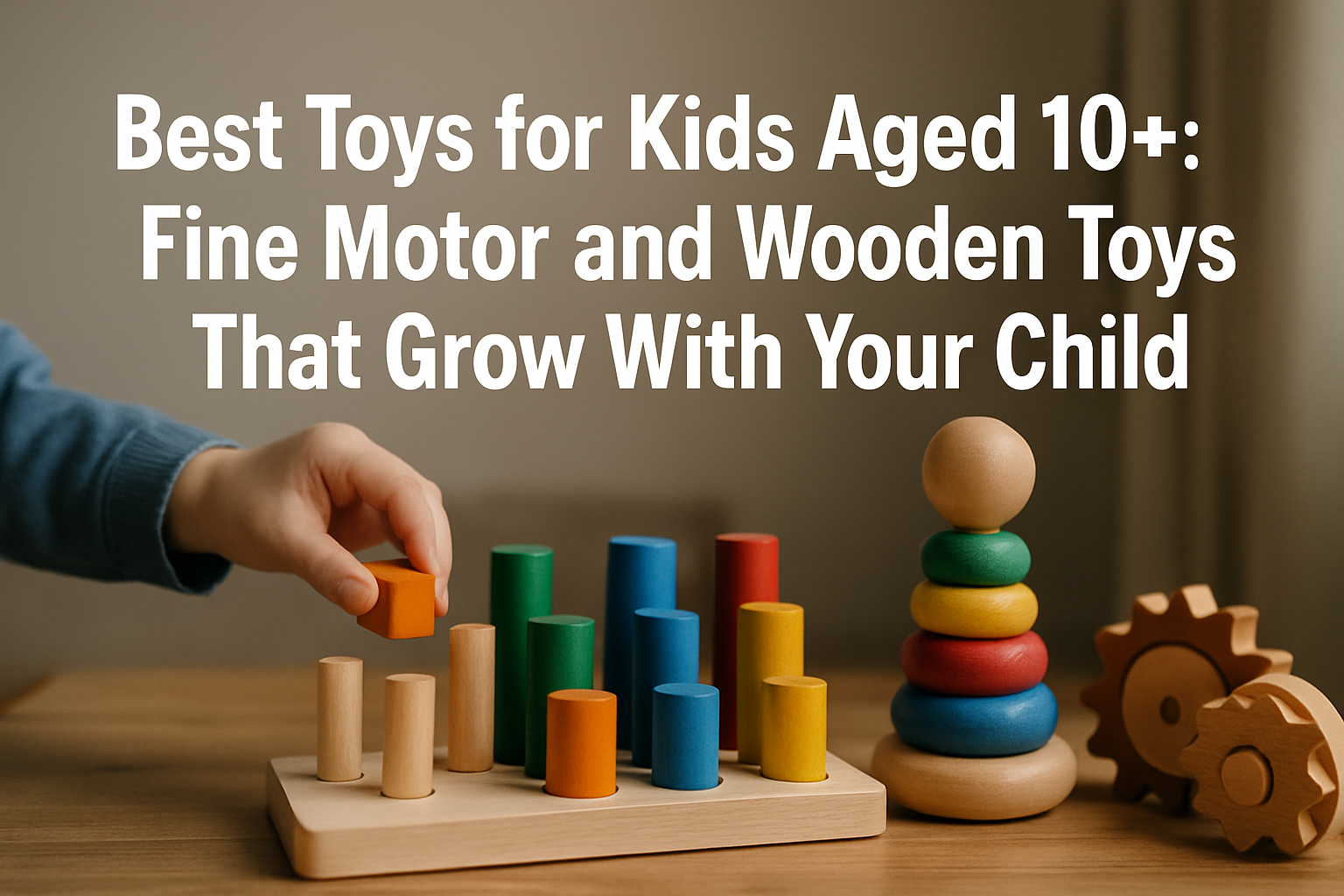

Fine motor skills are the small movements that require precise coordination, usually involving the use of small muscles in the hands, fingers, and wrists. These skills develop gradually during childhood as children engage in various activities that require them to manipulate objects with dexterity. From grasping small items to using scissors or writing, fine motor skills are essential in a child's developmental phase. They start to emerge in infancy but continue to refine as children grow older, particularly through play and hands-on activities.
The development of fine motor skills is fundamental for children's participation in daily activities and academic learning. As children learn to control their hand movements, they gain independence in self-care tasks, such as buttoning shirts or tying shoelaces, enhancing their self-esteem. Additionally, these skills are critical in the classroom setting, where children need to use writing instruments, engage in arts and crafts, and perform tasks that require intricate hand-eye coordination. Through the nurturing of these skills, children also develop patience and perseverance, as mastering fine motor movements often requires practice and persistence.
Encouraging activities that strengthen fine motor skills can greatly benefit children as they face new challenges. Engaging in creative activities like art and craft projects not only brings joy but also serves as a practical exercise for their developing skills. Construction tasks, such as building models or puzzles, also play an important role in enriching these abilities. Therefore, incorporating toys that target fine motor development is vital for fostering growth in this area.
Wooden toys come in various categories, each designed to encourage the development of fine motor skills, creativity, and problem-solving abilities. Common types include building blocks, stacking toys, puzzles, and role-play items. For instance, building blocks can inspire children to explore spatial relationships and construct unique structures. Puzzles, on the other hand, challenge kids to think analytically as they piece together various shapes and figures, enhancing both cognitive and motor skills.
One of the most significant advantages of wooden toys is their durability and longstanding appeal. Unlike plastic toys that may break easily or lose their charm over time, wooden options are known for their resilience and timelessness. The natural materials used in wooden toys are often safe and environmentally friendly, making them an excellent choice for parents concerned about health and sustainability. Additionally, these toys typically avoid flashy electronic components, allowing for imaginative and open-ended play. This simplicity encourages children to engage deeply with their toys and stimulate their creativity.
Choosing wooden toys over plastic ones also fosters social interactions and bonding experiences among peers. Many wooden toys are designed for multiple players, promoting teamwork and cooperative play. This social aspect is especially beneficial as it enables children to develop essential communication skills and learn the importance of sharing and collaboration. As children navigate their interactions with others through these engaging toys, they cultivate not only their fine motor skills but also vital social competencies that will serve them well throughout their lives.
Wooden toys have an inherent charm that encourages children to tap into their creative potential. Unlike plastic toys that often dictate the way they should be used, wooden toys provide an open slate, allowing children to drive their own imaginative play experiences. These toys, shaped and painted with various designs, enable kids to invent stories and scenarios that reflect their thoughts and ideas. For instance, a simple wooden block can transform into a castle, a car, or even a complex robot, depending entirely upon the child’s imagination. This flexibility in play encourages kids to think outside the box, significantly enhancing their creative skills.
Additionally, open-ended play scenarios stimulate not just creativity but also social interaction. Engaging with peers using wooden toys can lead to collaborative storytelling and role-playing, where children negotiate roles and develop narratives together. This kind of play nurtures communication skills and builds empathy, as children learn to consider different perspectives while creating shared experiences. For example, during a playtime scenario where two children build a make-believe town with wooden blocks, they practice teamwork and conflict resolution, essential skills that serve them well in later life.
Moreover, the tactile nature of wooden toys adds another layer to imaginative play. The weight, texture, and durability of wood lead to a more enriching sensory experience, which is important for this age group. When children engage their senses, they not only have fun but also learn to interpret and interact with their environment in nuanced ways. The sensory feedback from wooden toys can spark new ideas and support them in developing their unique narrative styles as they weave tales around their creations.
Engaging with wooden toys does wonders for cognitive development, particularly in older children who benefit from more complex play patterns. As children navigate intricate ideas and build complex structures, they enhance their problem-solving skills. The process of figuring out how different pieces interact and what combinations work best fosters analytical thinking. Wooden sets that include puzzles or construction elements challenge kids to think critically and creatively to overcome obstacles in their play, much like real-world problem-solving situations.
In addition, cognitive benefits extend beyond problem-solving. Wooden toys often require a degree of planning and foresight. For example, when children construct a fort out of wooden blocks, they must visualize the end product and strategize on how to achieve it. This kind of planning sharpens their memory and focus as they keep track of the steps and progress they make. Engaging with these toys also enhances spatial awareness, as children learn to manipulate objects in three-dimensional space. This skill is crucial for many academic pursuits, especially in areas like science and mathematics.
Furthermore, the long-lasting nature of wooden toys means they often remain in use longer than their plastic counterparts. Extended playtime promotes deeper engagement, which is essential for cognitive retention. Repeatedly facing the same challenges with a wooden toy can help solidify concepts and strategies in a child’s mind. Thus, the consistent use of these toys supports sustained attention and concentration, leading to improved cognitive functions that will benefit children as they progress through school and adulthood. Engaging in thoughtful play with wooden toys can lay the groundwork for effective learning and a love for knowledge.
When selecting toys for children aged 10 and above, age appropriateness is a primary consideration. At this stage of development, children are transitioning into adolescence, which means their interests and skills are evolving rapidly. Toys should not only provide entertainment but also stimulate their intellect and creativity. Guided by general age recommendations, parents and caregivers can choose toys that encourage physical activity, critical thinking, and social interaction. Look for toys that enhance advanced problem-solving skills, such as logic games or construction sets, which often engage older children in ways that foster both fun and learning.
Moreover, it is essential to consider each child's specific interests and current skill level. Personalization is key; what excites one child might bore another. For instance, some may thrive with complex puzzles, while others are drawn to arts and crafts. Understanding individual preferences helps in selecting toys that resonate personally, making playtime more engaging and effective. Utilizing such insights helps caregivers to curate a toy collection that supports and nurtures children's ongoing development, enhancing both their skills and enjoyment.
In addition to age and interest, another consideration is the social aspect of toy selection. Toys that encourage group play can help develop teamwork and communication skills, which are vital as children grow into their teenage years. Board games, sports equipment, and cooperative building kits are fantastic options that not only engage children mentally but also foster vital social interactions. As children learn to negotiate and collaborate, they expand their emotional intelligence, making positive social interactions possible.
Ensuring safety is the bedrock of toy selection, especially for children. There are strict safety standards in place to protect children from potential hazards associated with toys. These include regulations regarding choking hazards, sharp edges, and toxic materials. When selecting toys, it's imperative to look for labels and certifications indicating compliance with established safety guidelines. Such certifications are a clear indicator that the toy has undergone evaluation and meets essential safety benchmarks. This diligence not only assures parents about their child's safety but also promotes responsible manufacturing practices.
In addition to safety, the quality of materials and craftsmanship plays a significant role in the longevity and overall experience of the toys. High-quality toys are typically designed to withstand rough handling and prolonged usage, which is common among older children who may engage in more active or imaginative play scenarios. Toys made from durable materials often have a more significant impact on a child’s developmental process, providing opportunities for creative expression and long-lasting enjoyment. Parents should prioritize toys constructed with non-toxic, eco-friendly materials that are safe for children and have less impact on the environment.
Investing in high-quality toys also promotes sustainable consumer habits. When parents choose well-crafted toys that stand the test of time, they contribute to reducing waste and encourage children to take care of their possessions. This instills values of responsibility and stewardship from a young age. High-quality toys often come with warranties or guarantees, reflecting the confidence manufacturers have in their durability. Such aids in establishing trust between consumers and manufacturers, as buyers can feel reassured about their investment in their child's development and safety.
When it comes to selecting toys for children, adaptability is key. Parents often seek toys that can adjust to the evolving skills of their little ones. Fine motor toys, in particular, are designed with characteristics that allow them to evolve alongside a child's growing abilities. These toys can include elements that challenge children at different developmental stages, promoting learning in a way that is both enjoyable and engaging. For example, toys featuring adjustable difficulty levels can encourage children to revisit them as their skills improve, fostering a deeper understanding of complex concepts such as balance, dexterity, and coordination.
The benefits of multi-use toys cannot be overstated. Such toys can address multiple developmental milestones, making them a valuable investment for parents. Rather than purchasing a different toy for each stage of development, parents can look for toys that offer a range of functions. These multi-purpose toys not only help children refine their fine motor skills but also encourage imaginative play. As children master one use of the toy, they can easily transition to another, keeping their interest alive and maintaining a sense of novelty. This adaptability enhances the longevity of the toys and supports continuous engagement through varied play experiences.
Examples of versatile wooden toys further embody this adaptability. These toys often come in designs and shapes that appeal to a wide range of age groups. For instance, building blocks can be used by toddlers just beginning to stack and sort, while older children can create complex structures and engage in imaginative scenarios. This versatility not only provides countless hours of play but also promotes essential skills like spatial reasoning and creativity. Insights into their design reveal that the simplicity of wooden toys often leads to open-ended play opportunities. This encourages children to think outside the box and utilize their imagination, effectively keeping them engaged as they grow.
In addition, the tactile nature of wooden toys can make them more appealing as children develop their sensory skills. The smooth finish, weight, and natural material encourage children to explore and manipulate the toys in various ways. As children transition from simple stacking to more intricate designs, this sensory interaction can help refine their fine motor skills. Additionally, the durable nature of wooden toys means they can withstand rough play, making them suitable for children across various developmental stages. Ultimately, the way these toys invite creativity and adaptability fosters an environment where learning and play go hand in hand.
The benefits of fine motor and wooden toys are numerous and profoundly impactful on children's development. Fine motor skills are essential for tasks that children will encounter throughout their lives, from writing to buttoning clothing. Engaging with toys that encourage these skills allows children to practice hand-eye coordination, dexterity, and control. Wooden toys, in particular, offer a sensory-rich experience that enhances tactile learning. The natural materials not only stimulate creativity and imagination but also ensure safety and durability, allowing for prolonged playtime.
Moreover, these toys encourage imaginative play, which is pivotal for cognitive development. Children interact with their environment in meaningful ways, exploring concepts such as size, shape, and balance. Play enables exploration, fostering problem-solving abilities as children figure out how to manipulate their surroundings. By incorporating fine motor and wooden toys into their play routines, parents can create an enriching atmosphere that promotes learning through hands-on experiences.
Final thoughts on skill development through play underline the importance of selecting toys that align with developmental milestones. A toy that nurtures fine motor skills may also provide opportunities for social interaction, sharing, and cooperative play, all of which are crucial components of emotional and social development. Such engaging play experiences can lay the groundwork for a child's future learning and interactions throughout their formative years.
As children grow, their needs and preferences evolve, presenting parents with the challenge of selecting toys that continue to support their development. It is advisable for parents to consider not only the immediate benefits of a toy but also its potential for long-term learning. Choosing toys that adapt to a child's growing skills can enhance their play experience and encourage continuous engagement. For instance, while a simple shape sorter might be appropriate for a toddler, more complex building sets can cater to older children, enabling them to apply their fine motor skills to more intricate projects.
Additionally, prioritizing interactive and developmental play is essential for fostering life skills. Parents should look for toys that promote not just solo play but also collaborative experiences where children can work together. Such interactions develop communication skills and emotional intelligence. Finding toys that encourage story-telling, role-play, or problem-solving can significantly enrich a child's playtime. Parents might also consider incorporating everyday objects into playtime to further stimulate creativity and resourcefulness in their children as they continue to develop.
Ultimately, providing a variety of toys, including those that emphasize fine motor skills and wooden materials, allows for a well-rounded developmental approach. By remaining engaged in the play process and observing their child’s interests, parents can make informed choices that support growth and learning in a joyful and interactive manner. This ongoing commitment to fostering skill development through play can lead to a more confident and capable child, ready to meet future challenges.



Understanding Fine Motor Skills and Wooden ToysDefining Fine Motor SkillsFine...

Understanding Fine Motor Skills and Wooden ToysDefining Fine Motor SkillsFine...